
Master Your Moves: How Feedback Helps You Improve Physical Skills
Reviewed by Dr. Scott Rollo, PhD & Dr. Peter Rawlek, MD
You’re standing in the park with a frisbee in hand. Your friend calls out, “Throw it here!” You step forward, flick your wrist—and the frisbee wobbles, diving into the grass halfway.
You both laugh. You try again. This time it flies straighter, but still short.
By the third throw, you’ve adjusted your grip and aim, and the frisbee finally glides right into your friend’s hands.
That moment—that small improvement you felt—is how all movement skills get better.
Whether it’s balancing on a bike, trying a TikTok dance, or simply carrying groceries without feeling like you’ll drop them, every skill starts with awkwardness.
The secret to getting smoother, faster, and more confident? Practice + feedback.
Why It’s Worth Refining Your Skills
Refining your movement skills isn’t just for athletes—it’s about making everyday moments easier and more enjoyable.
This is called physical literacy: being able to move with confidence in many situations.
Think about it:
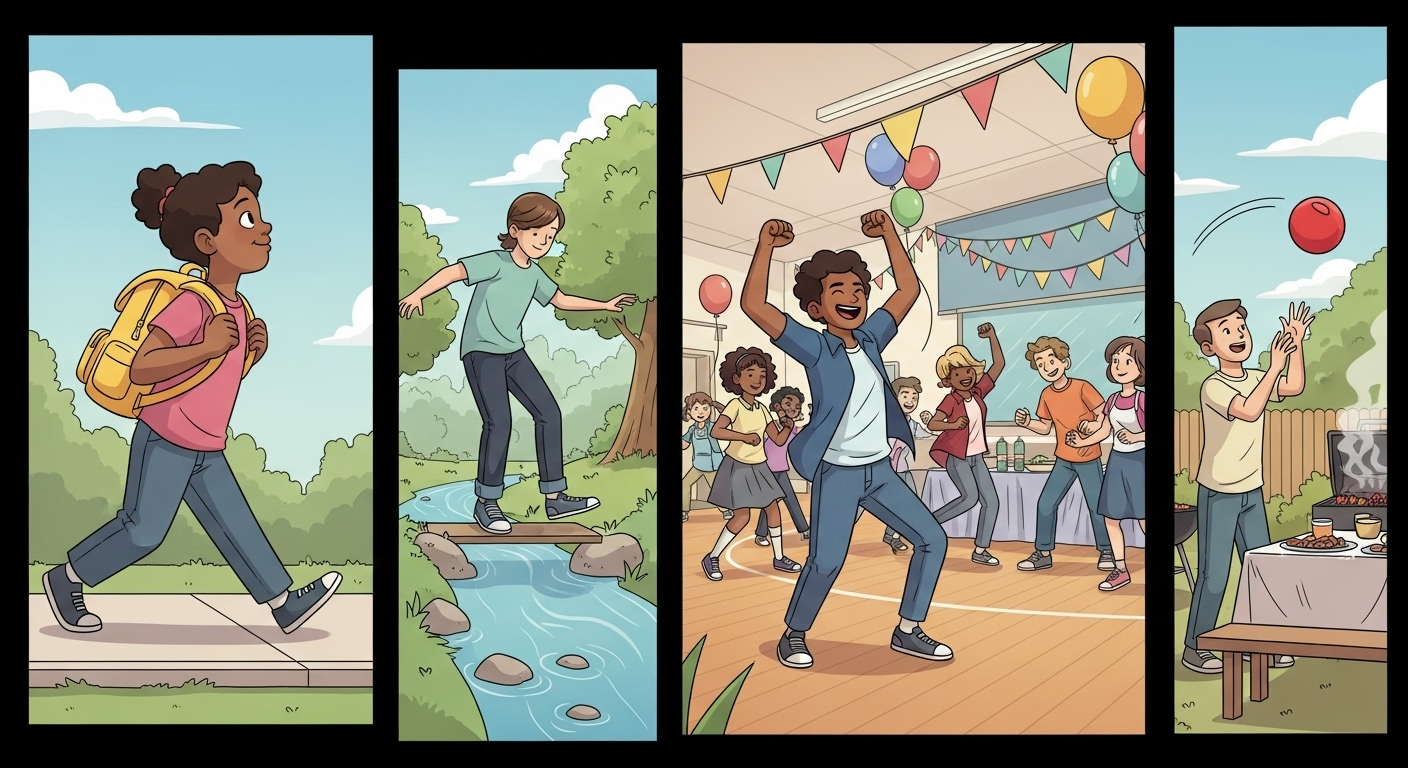
Carrying a heavy backpack without your shoulders aching.
Stepping across a stream without slipping.
Dancing at a school event without feeling self-conscious.
Tossing a ball at a barbecue without worrying you’ll miss.
The better your skills, the more your body works for you—not against you. It’s not about being “sporty.” It’s about saying, Yeah, I can do this.
How Feedback Helps You Improve
Feedback is simply information that helps you know what’s working and what to change. There are two main types:
1. Intrinsic feedback – comes from you. It’s what you feel in your body.
Example: Noticing you lean too far back when rollerblading.
Why it’s useful: You can make adjustments instantly, even without someone telling you.
2. Extrinsic feedback – comes from others—a friend, teacher, coach, or even an app.
Example: A friend points out your feet are too close together in a yoga pose.
Why it’s useful: Others notice things you can’t always feel.
The fastest improvement happens when you use both—your own senses and outside observations.
Practice Makes Progress (and Tech Can Help)
Every time you repeat a movement, your brain and muscles get better at working together. But practice isn’t just “doing it over and over.”
It’s about practising with feedback so you know exactly what to tweak.
Tech tools can help:
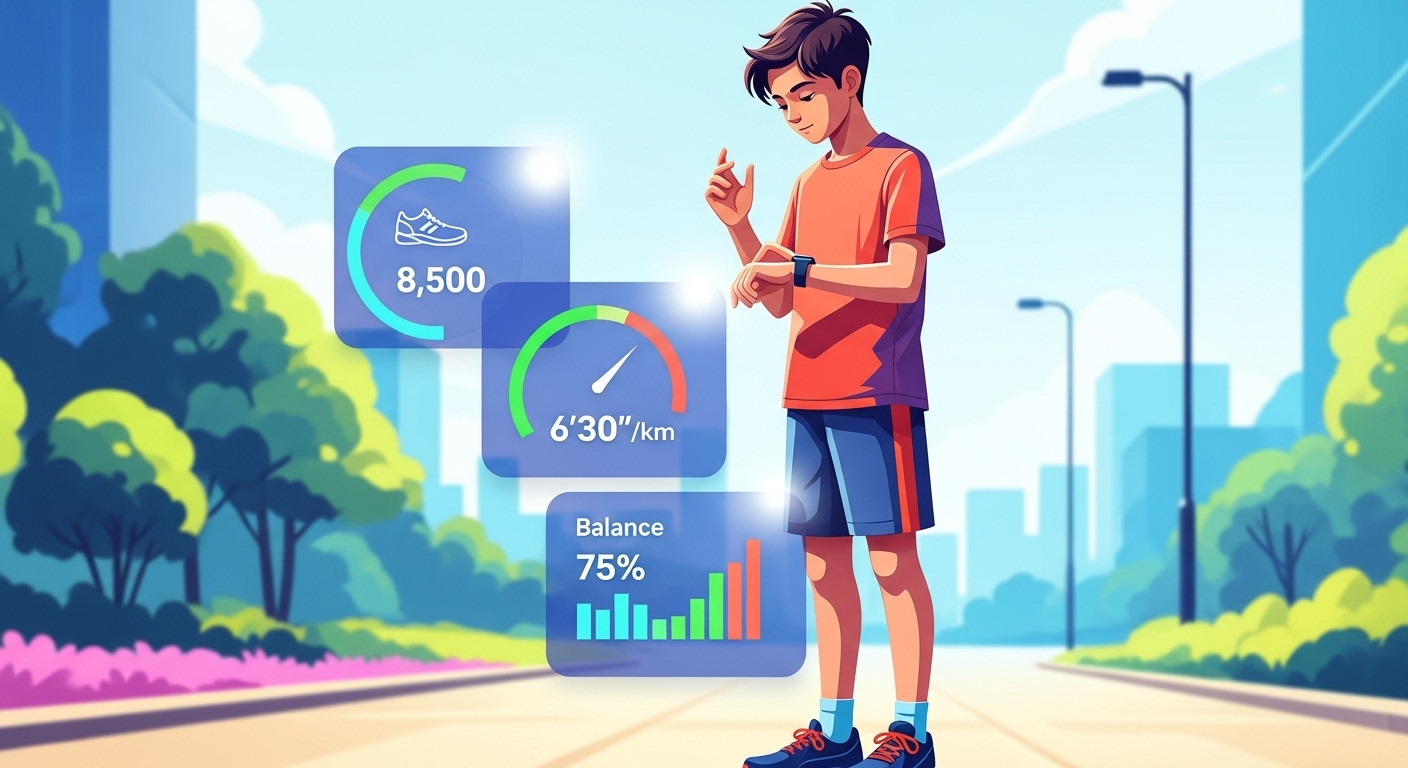
Video playback: See what you’re actually doing vs. what you think you’re doing.
Wearables & apps: Track pace, balance, or steps to spot progress you might not feel yet.
What Affects How Fast You Improve
Task complexity: Simple moves (like tossing a beanbag) are quicker to learn than complex sequences.
Environment: A calm, open space feels different from a noisy or crowded one.
Your starting point: Comparing yourself to others slows you down—track your own gains instead.
Reflection: Apply It to Your Life
Ask yourself:
What’s one skill you’d like to feel smoother doing?
How could you get feedback on it—through your own senses, a friend’s tip, or a video?
What’s one small step you could take this week to practice?