
How Physical Fitness Supports an Active Life
Reviewed by Dr. Scott Rollo, PhD & Dr. Barry Wiens, MD
Have you noticed how much better you feel when you move regularly?
Physical fitness isn’t just about gym class or competitive sports—it’s about having the strength, energy, and confidence to live an active life, now and in the future. As your fitness improves, being active becomes easier, more enjoyable, and something you actually want to do every day.
The Two Sides of Fitness
Fitness has two main parts:
health-related fitness, and
skill-related fitness.
These two work together to help you move well and feel your best.
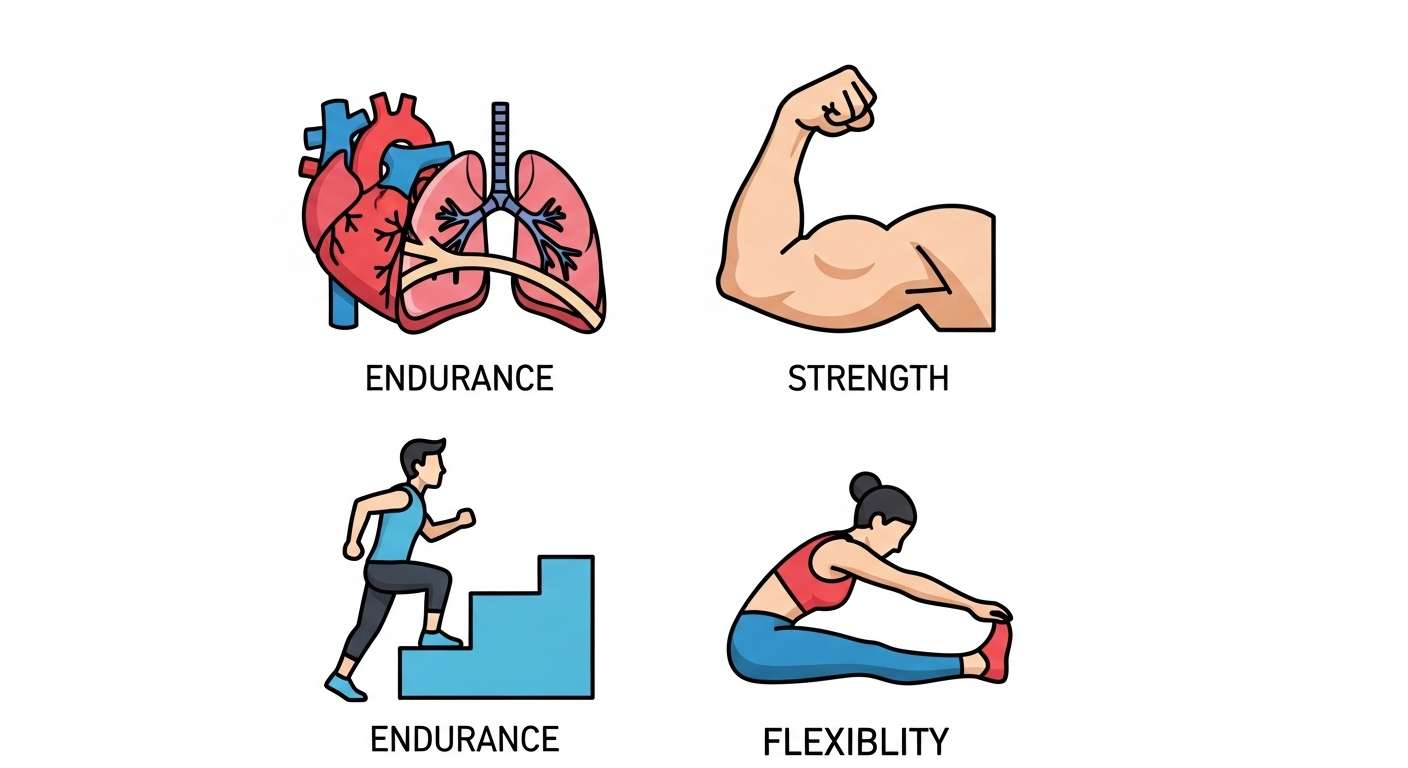
Health-Related Fitness
These components keep your body strong, healthy, and ready for everyday activities:
Cardiorespiratory endurance – How well your heart and lungs work during activities like running, swimming, or cycling.
Muscular strength – The ability to lift, push, or carry things, like doing push-ups or hauling a heavy backpack.
Muscular endurance – How long your muscles can work without tiring, like holding a plank or climbing stairs without stopping.
Flexibility – How easily your joints move, important for bending, stretching, or even sitting comfortably.
Skill-Related Fitness
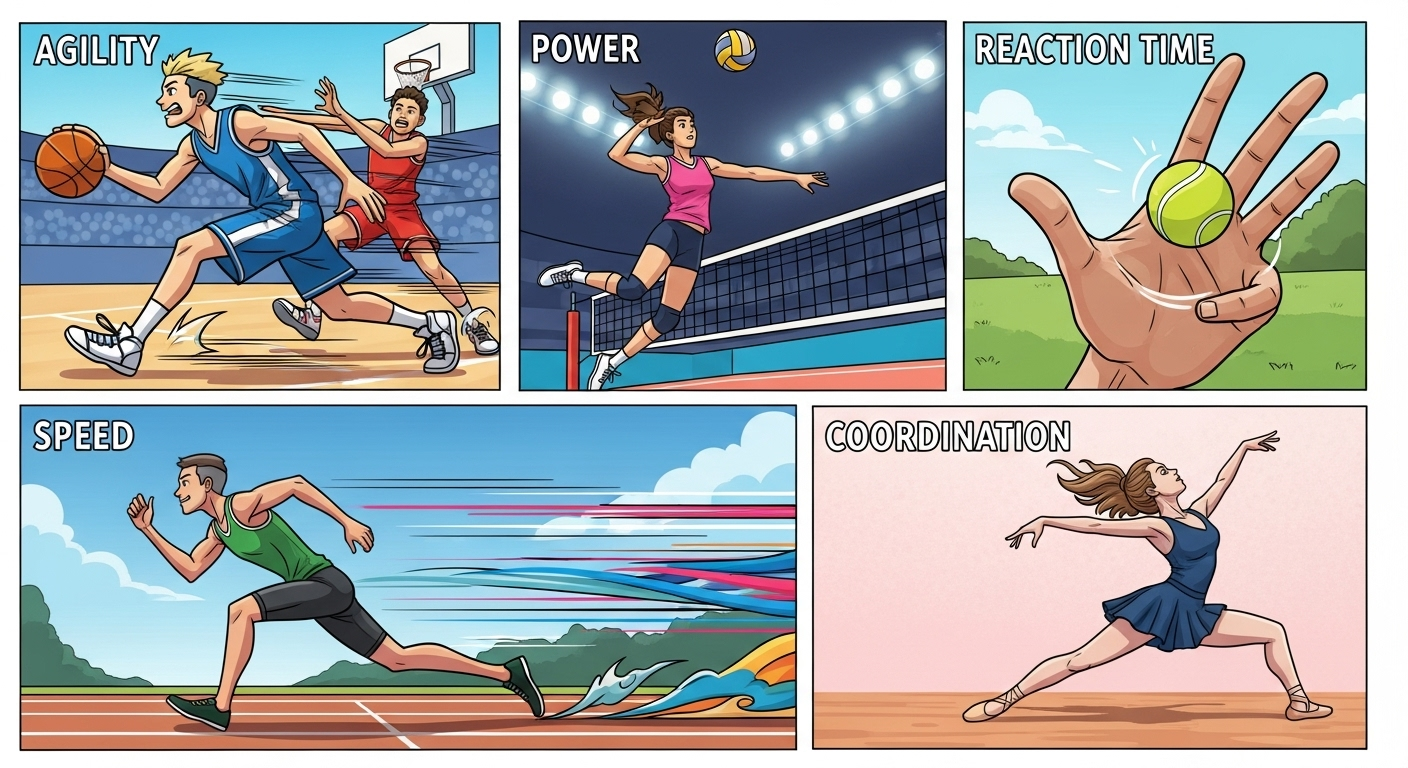
These help you move with speed, control, and precision—especially in sports or active play:
Agility – Quickly changing direction, like dodging defenders in basketball.
Power – Strength plus speed, like jumping high to spike a volleyball.
Reaction time – Responding quickly, like catching a ball just in time.
Speed – Moving fast, whether sprinting in soccer or racing a friend.
Coordination – Moving different parts of your body smoothly, like dancing or dribbling a ball.
Why Fitness Matters
Fitness isn’t about looking a certain way—it’s about building a healthier body and mind so you can fully enjoy life. Working on both health-related and skill-related fitness can:
Strengthen your heart and lungs, making daily activities feel easier.
Build strong muscles and bones, reducing your risk of injury.
Boost your body’s efficiency, helping you manage energy and maintain a healthy weight.
Improve focus and memory, making it easier to learn and think clearly.
Support better sleep so you wake up rested and ready.
Increase stamina, giving you more energy for the things you love.
Boost confidence as you see your progress over time.
Lift your mood, thanks to feel-good endorphins.
The best part? Fitness creates a positive cycle: the more active you are, the fitter you become—and the fitter you are, the more you’ll want to keep moving.
Making Fitness Part of Your Life
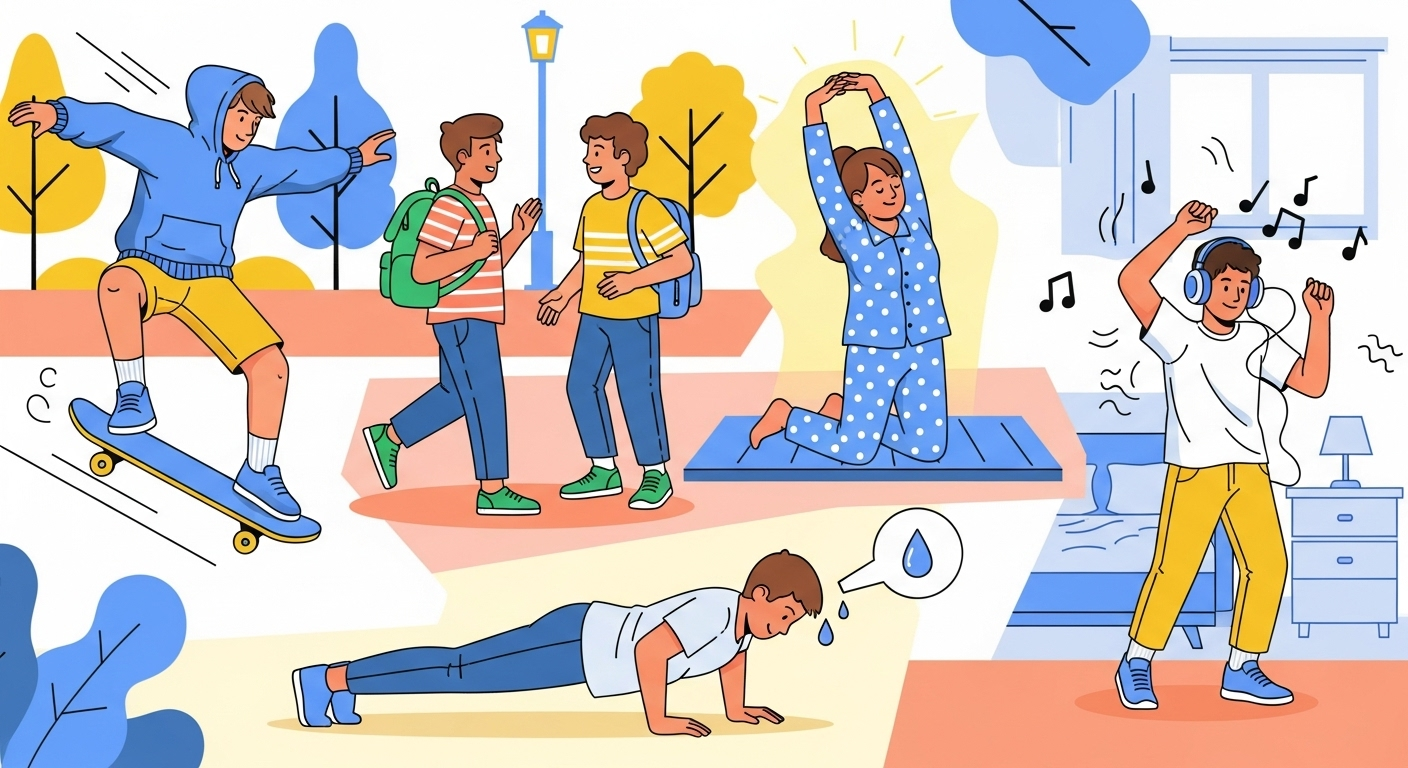
You don’t need a gym membership or fancy equipment to get fitter. Try:
Playing a sport at school or in your community.
Walking, biking, or skateboarding with friends.
Doing bodyweight exercises like squats, push-ups, or planks.
Trying dance, martial arts, or group fitness classes.
Stretching regularly to keep your body moving well.
Choose activities you enjoy—it’s much easier to stick with something fun.
Reflect and Take Action
Which area of fitness do you most want to improve—strength, endurance, flexibility, or something else?
What activities do you enjoy that can help you work on it?
What’s one small goal you can set for this week—like walking after school, doing 10 push-ups, or practicing a skill?
Remember: every bit of movement counts. Start small, keep going, and enjoy the energy, confidence, and health benefits that come with a fitter, more active life.