
Play Smarter: How Game Sense Can Boost Your Performance (and Fun!)
Reviewed by Dr. Scott Rollo, PhD & Dr. Peter Rawlek, MD
You’re sprinting down the field.
Your eyes aren’t just on the ball, they’re scanning everything.
You spot an opponent shifting left. A teammate drifts into open space.
Before anyone else reacts, you’re already moving to where the play is going to happen.
The ball comes. Pass. Shot. Score.
You weren’t just playing… you were predicting.
That’s game sense, and it can make you a smarter, faster, and more confident player in almost any sport or activity.
What Is Game Sense?
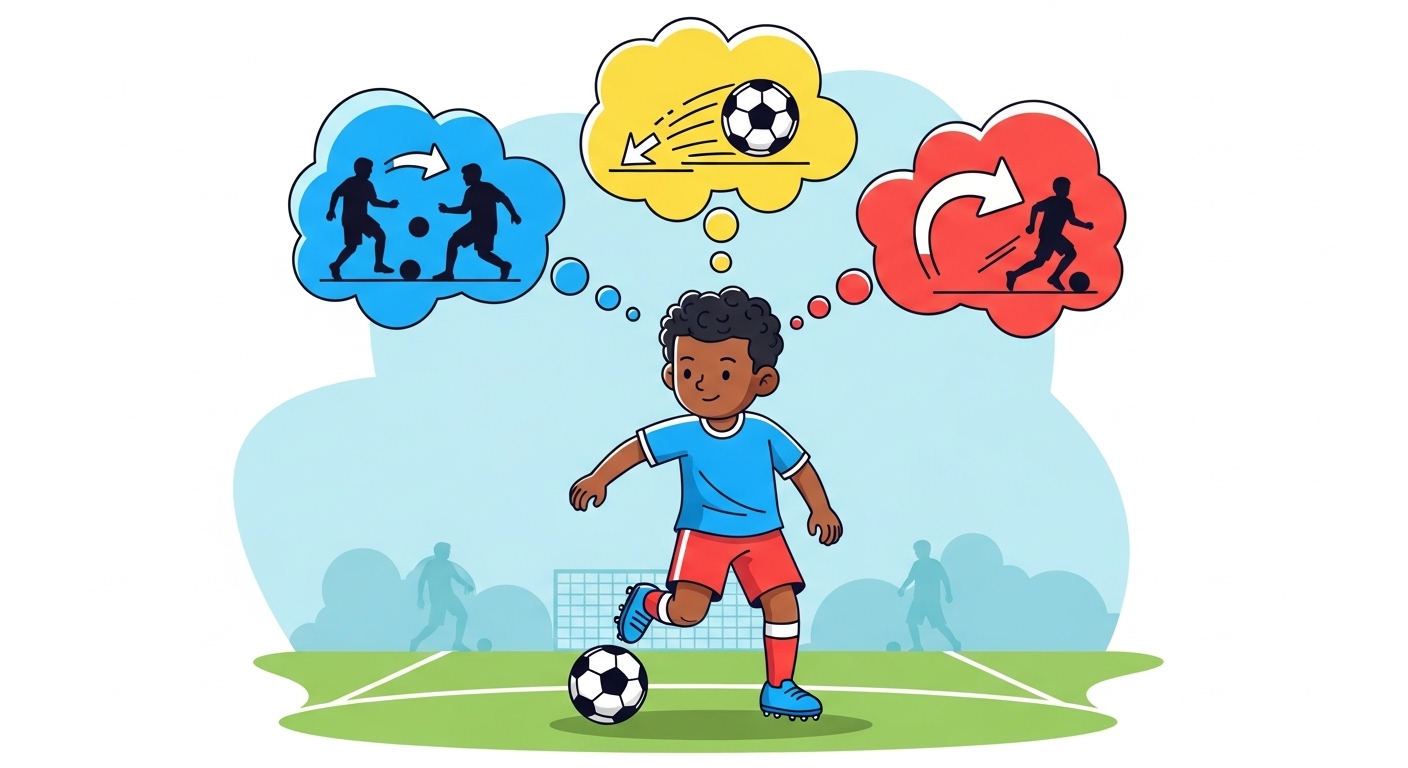
Game sense is more than speed or skill.
It’s your ability to read what’s happening, make good choices, and adapt quickly while you play.
It’s knowing when to pass, where to move, and how to change your plan in a split second.
The best players don’t just react—they see the game unfolding and position themselves to make the most of it.
Examples You Might Recognize
In soccer: You notice a teammate wide open and pass before the defenders close in.
In basketball: You sense your opponent is about to drive, so you step into the lane just in time.
In volleyball: You move into position before the ball even crosses the net.
These moments feel like magic—but they’re really about awareness and decision-making.
Your Game-Time Radar: Tactical Awareness
Think of tactical awareness as a radar in your mind that’s always scanning the game.
Here’s how strong players use it:
Anticipate movement – Predict where the ball or players will be next, not just where they are now.
Evaluate options – Decide quickly: pass, shoot, or hold the ball?
Plan your response – Choose the action that gives your team the best advantage.
Stay ready for change – Be ready to switch from attack to defense instantly.
Adapting on the Fly
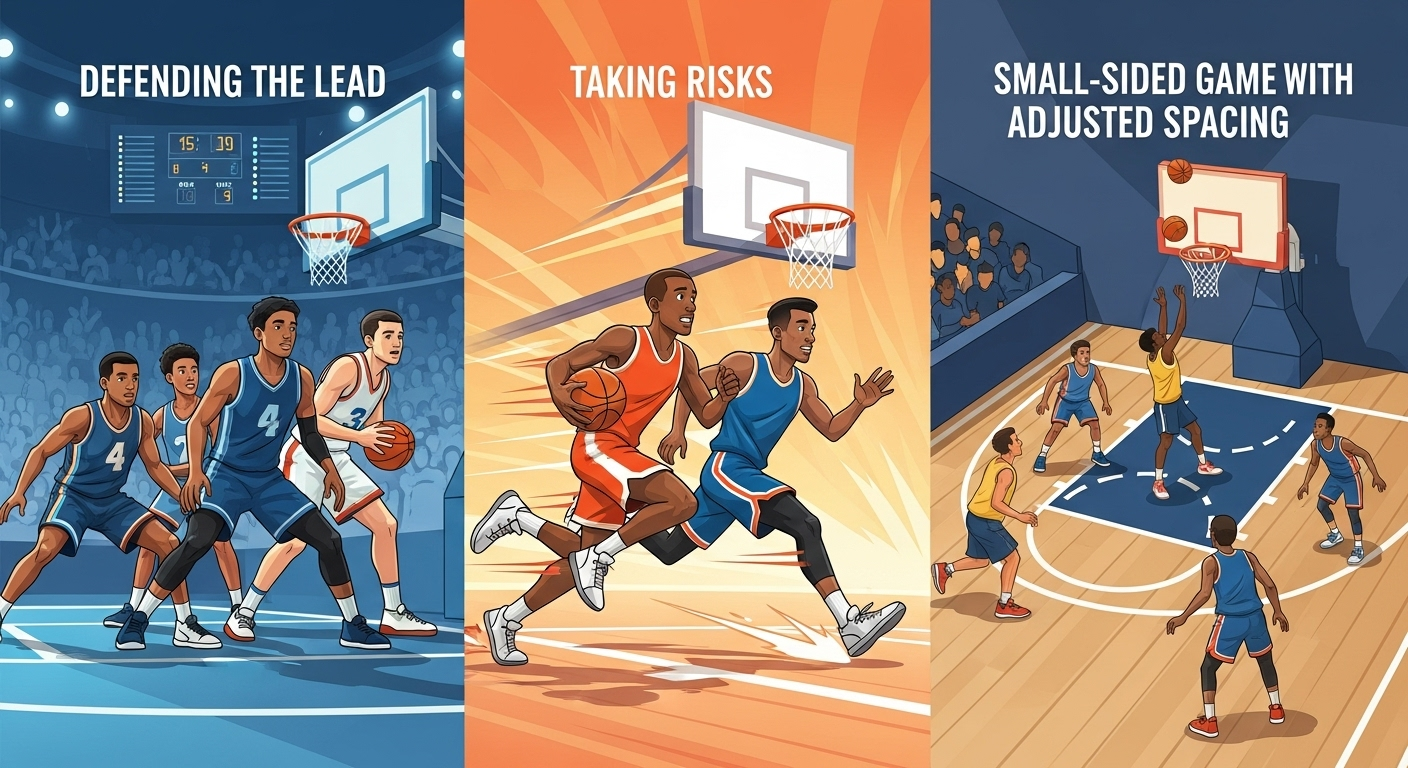
Games are always changing—and good players adjust:
If your team is ahead, you might focus on protecting your lead.
If you’re behind, you may take more risks to score quickly.
If the game rules or team sizes change, you adjust your speed, spacing, and tactics.
Why Game Sense Matters
Building game sense can help you:
Make better decisions under pressure.
React faster than your opponents.
Work more smoothly with teammates.
Have more fun—because you’re influencing the game, not just following it.
Try This: 3 Ways to Build Your Game Sense
Watch the whole game—not just the ball
Notice where players move, where spaces open up, and how experienced players react.Ask smarter questions
Instead of “Did I play well?”, ask “Where could I have moved differently?” or “What was my best option in that play?”Play different roles
Try new positions in practice. Seeing the game from another angle gives you a fuller understanding.
Reflection Prompt
Think about the last game or activity you played:
Did I notice what was happening around me, or was I just focused on the ball?
Could I predict what would happen next?
What’s one thing I can try in my next game to see more of the field, court, or playing area?
Pro Tip: Game sense isn’t only for competitive sports—it helps in any activity with movement, strategy, and teamwork, from ultimate frisbee to capture the flag.