
How Physical Fitness Can Shape Your Attitude Toward Being Active
Reviewed by Dr. Scott Rollo, PhD & Dr. Barry Wiens, MD
Have you ever thought, “I’d be more active… if I wasn’t so out of shape”?
You’re not alone. For many people, it’s hard to get moving when their body feels tired, slow, or uncoordinated. But here’s something important to know: the more you move, the easier it gets — and the easier it gets, the more you actually want to move.
This is called the fitness–activity cycle. And you don’t need to be an athlete to start it. Even the smallest changes — like walking a little more, stretching in the morning, or playing a quick game outside — can set it in motion.
The Fitness–Activity Cycle
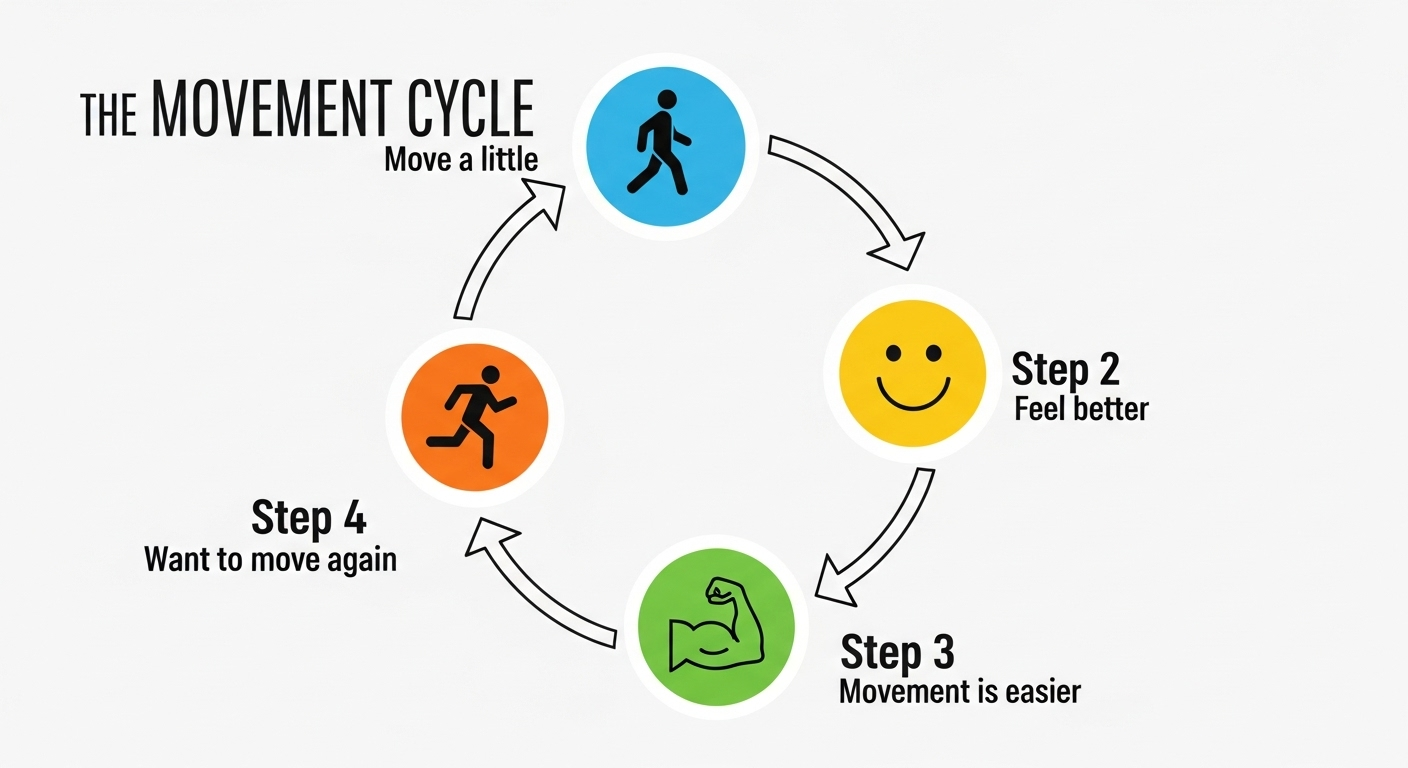
When you start improving your fitness — even just a little — you notice things change:
You recover faster after movement.
Climbing stairs or walking longer doesn’t feel as tiring.
Saying “yes” to an activity feels less like a chore.
Over time, this builds a loop:
You move a bit more
You start feeling a little stronger or less tired
Moving becomes easier and more fun
You naturally want to do it again.
It works at any level. Whether you’re starting from barely moving or you’ve already got some activities you enjoy, the cycle can help you feel better day by day.
Why Fitness Can Boost Your Attitude Toward Being Active
More confidence – Noticing even small improvements makes it easier to try new things.
More enjoyment – When you’re less winded or sore, you can focus on the fun instead of the struggle.
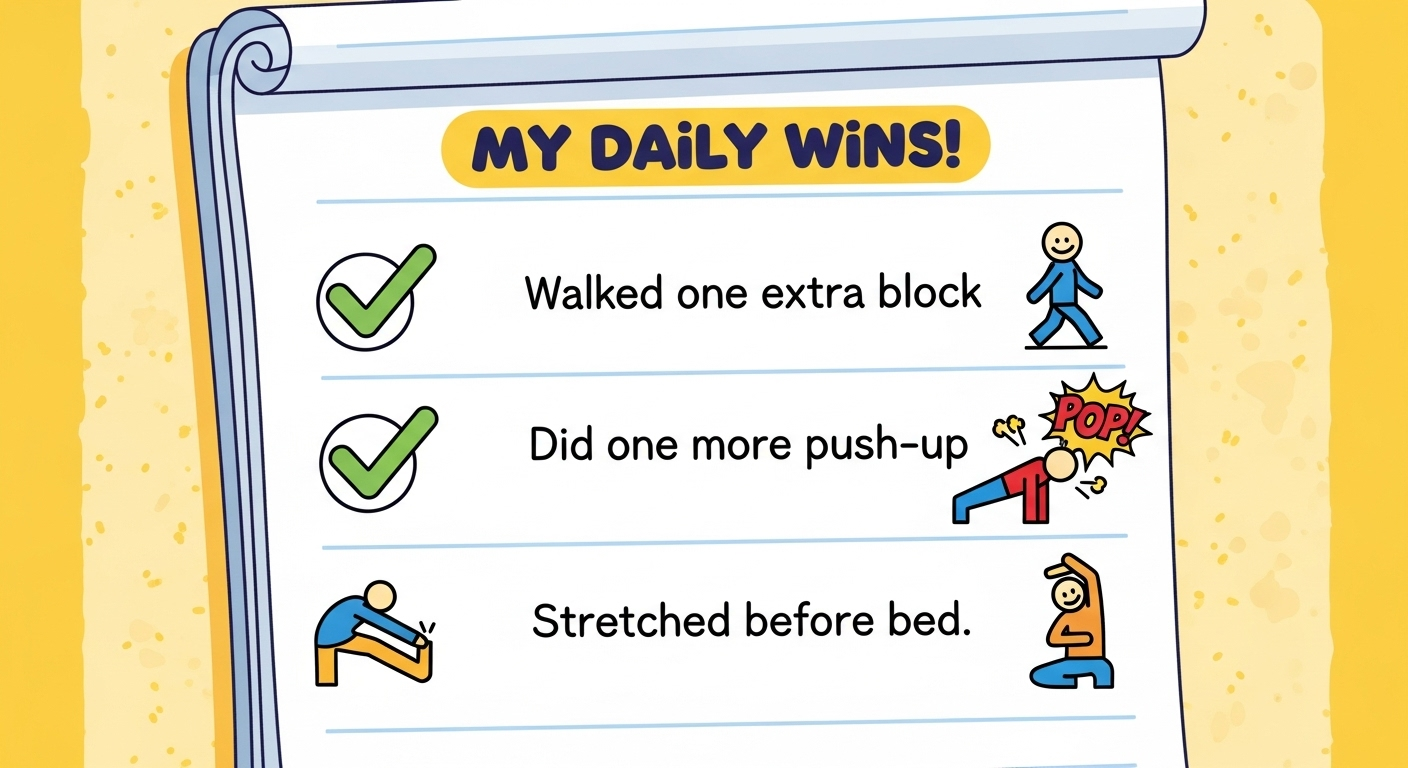
Small wins that motivate – Doing one more push-up or walking one extra block feels like progress worth celebrating.
Less discomfort – Movement becomes something you can do without dreading aches or fatigue.
Making It Personal
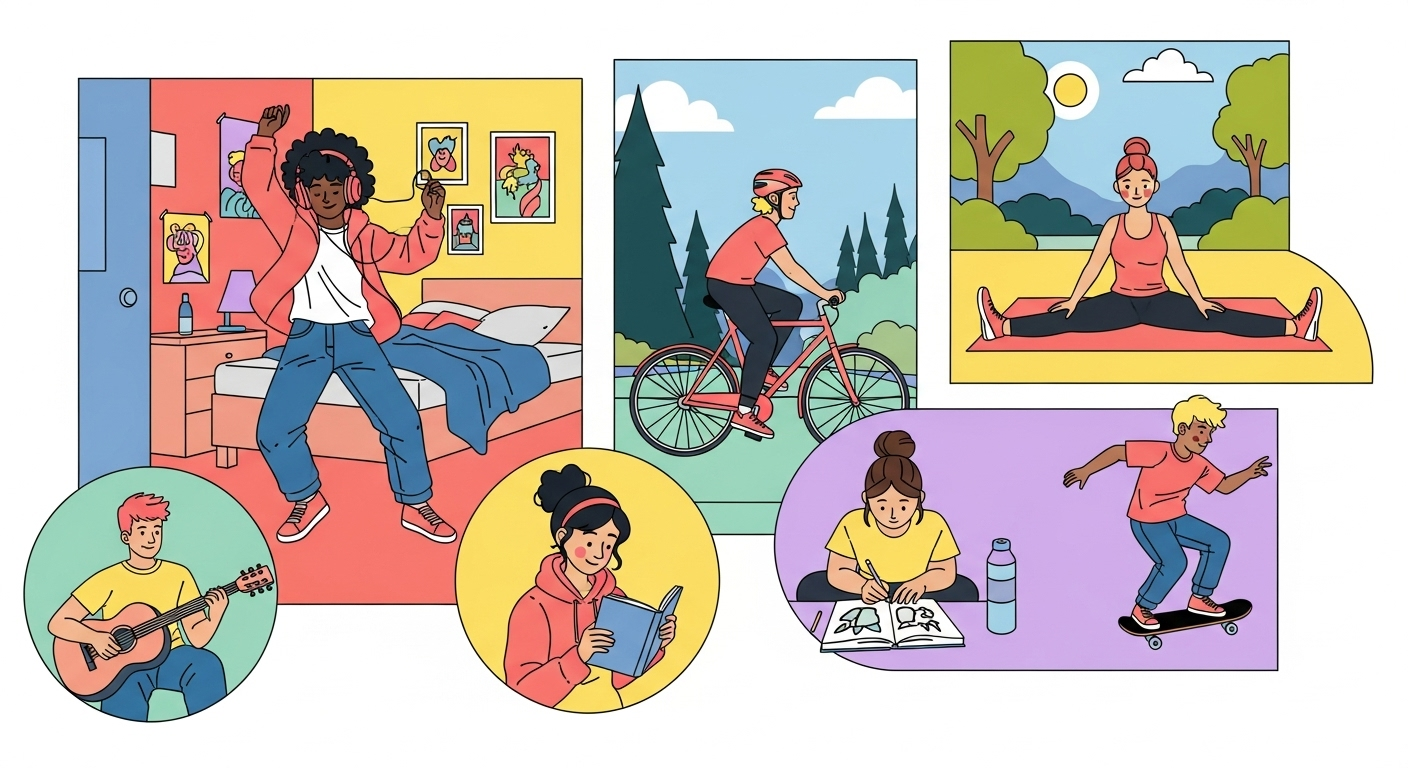
You don’t have to like the same activities as everyone else. Maybe you enjoy walking while listening to music, stretching, casual cycling, or dancing in your room. The key is to start with something you don’t dread.
Think about:
What’s one activity you’ve actually enjoyed before — even a little?
What’s something your body already does fairly well?
What’s a tiny challenge you’d like to take on? (For example, jogging for 2 minutes without stopping, doing a short workout video, or learning a new skill like skipping rope.)
When the starting point feels manageable, it’s much easier to keep going.
Fitting Fitness Into Your Day
You don’t need a gym, expensive equipment, or hours of time. Try:
Walking part of the way to school.
Playing an active game at lunch.
Taking movement breaks during homework or gaming.
Stretching or doing a short video workout before bed.
Bottom Line:
Fitness and activity build on each other — and you can begin that cycle at any level. Start with something small, keep it consistent, and notice how much easier moving becomes over time. Before long, you’ll find yourself saying, “I can do this.”