
Safety Is Something We Do Together
A ball rolls across the gym just as someone is sprinting toward it. Two people both think a point was theirs. Someone picks up a piece of equipment they have never used before and decides they can probably figure it out while moving at full speed. None of these situations automatically ends badly, but each one contains a moment when what somebody does next can make the activity safer or considerably less safe.
That is an important way to think about safety in physical activity. Being safe is not simply following a list of instructions someone else created. It means paying attention to the activity, the people around you, the equipment and the environment, and changing what you are doing when something no longer looks safe. In other words, safety involves judgement.
Risk Is Not the Same as Danger
Almost every physical activity involves some risk. You can trip while running, lose your balance while skating or collide with someone while playing a game. If we tried to remove every possible risk from physical activity, we might eventually remove most of the physical activity too.
The useful question is not, “Is there any risk?” It is, “What could happen here, how likely is it, and is there something I can reasonably do to make this safer?” Learning to make those small assessments is part of becoming more independent in physical activity. Health and education organizations increasingly describe safety this way, as learning to recognize and manage risk rather than simply avoiding activity.
A quick risk check can happen almost without interrupting what you are doing. Is there enough space? Is the equipment appropriate and working properly? Do I know how to do this activity, or do I need someone to show me first? Are the people around me ready for what I am about to do?
Why Rules Actually Matter
Rules can sometimes feel like the part of a game standing between you and the game. But many rules do something much more interesting. They make other people's behavior more predictable.
If everyone understands where they can move, when contact is allowed, how equipment can be used and when play stops, your brain has a much better chance of predicting what the people around you are going to do. When someone suddenly ignores those expectations, everyone else has less time to react. That is one reason learning the rules, techniques and appropriate behaviours of an activity is consistently included in injury prevention guidance for young people.
The same reasoning applies to equipment. A racket, stick, ball, weight or piece of gym equipment was designed to be used in particular ways. Using it correctly, checking that it is appropriate for the activity and recognizing when something appears damaged or unsafe reduces avoidable risk. Protective equipment also needs to fit and be appropriate for the activity rather than simply being present.
Other People Are Part of the Safety System
Safety becomes more interesting when other people enter the picture because now everyone else's decisions affect you too. Sportsmanship and etiquette are sometimes described mainly as being polite or being a “good sport,” but they also help make activity more predictable and controlled. Respecting another person's space, stopping when play has stopped, avoiding unnecessary contact and responding appropriately when someone is hurt all influence whether the group can participate safely.
This means one person can make an entire group safer. The opposite is also true. One person who ignores boundaries, deliberately plays too aggressively or uses equipment carelessly can create risk for people who are doing everything correctly. Sport and physical education organizations therefore increasingly connect safe environments with respect, fair play, responsibility and positive relationships between participants.
When Competition Turns Into Conflict
Then there is the close call, disputed point, accidental collision or decision that someone considers spectacularly unfair. A small disagreement can become a safety problem surprisingly quickly when frustration turns into pushing, reckless play, retaliation or someone deciding that the next point is now a matter of personal justice.
Groups can reduce that risk by having a way to resolve disagreements before they need it. Stop the action. Give each person a chance to explain what happened. Listen to the other version. Use the agreed rules to decide what happens next, replay the point when that makes sense, or involve a teacher or official when the group cannot resolve it safely. The goal is not proving who can argue most convincingly; it is getting the activity safely moving again.
Conflict resolution is therefore more than a social skill during physical activity. It helps prevent frustration from changing how people behave physically. Sport NZ resources specifically connect officiating and fair play with maintaining control, fairness, safety and good sportsmanship, while school physical education examples use games themselves as opportunities for students to practice working through conflict.
Safety Changes While You Are Moving
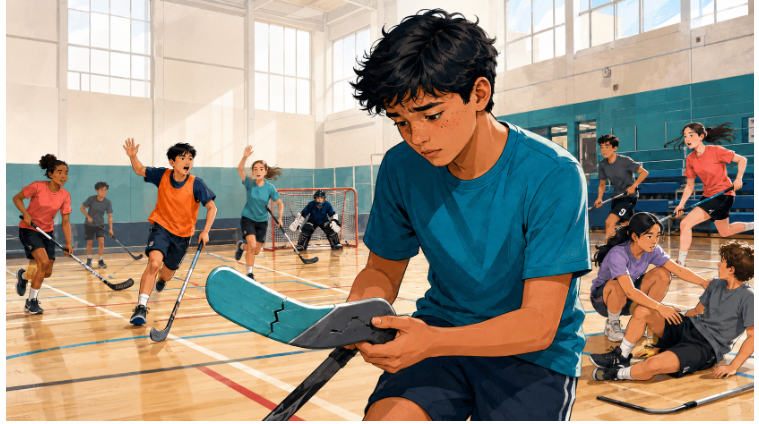
Something that was safe five minutes ago may not be safe now. The floor may become wet, equipment may move into the playing area, someone may become injured or tired, the group may become more aggressive, or you may realize that a skill is beyond what you can currently control. Good risk assessment therefore keeps happening while you participate rather than ending once the activity begins.
That gives everyone in the group some responsibility. You can point out a hazard, move equipment out of the way, tell someone when you are not ready, stop when another person may be hurt, follow an agreed rule even when breaking it might help you win, or ask for help when something is beyond your ability to manage. None of those behaviours makes physical activity less challenging. They make it possible for challenge, competition and fun to happen without adding risks that never needed to be there.
The safest group is not necessarily the group with the longest rule book. It is the group in which people notice, communicate and adjust. When everyone does that, safety stops being something a teacher has to impose from the outside and becomes something the people participating create for one another.