
Fibre: The Quiet Driver of Health We Keep Missing
Reviewed by Dr. Peter Rawlek, MD, Dr. Valena Wright, MD and Dr. Scott Rollo, PhD
Nine out of ten people are getting only about half of their recommended daily fibre intake (8). Over the past 2 decades, fibre has steadily disappeared from the diet, replaced by processed and ultra-processed foods (Click here to learn more) that are easy to access, quick to eat, and rapidly absorbed, but biologically disruptive (2). This is not a small nutritional gap. It represents a fundamental shift in how the body is fuelled, one that shapes metabolic health (What is Metabolic Health?) long before symptoms appear (2, 7–10, 16). What is at stake is not just how we feel today, but the health trajectories that build quietly over time, particularly for those growing up and living in environments where low-fibre, high-convenience foods are the default.
Joanne Slavin of the University of Minnesota, a recognized expert in this area, has consistently emphasized that fibre is not just about digestion (14,15). It is a central regulator of how the gut, metabolic (What is Metabolic Health?), and inflammatory systems (What is Inflammation - And Why It Matters More Than You Think) function together (2,4,9). Through its effects on the gut microbiome (What is Gut Microbiome?), fibre influences a broad network of signalling pathways, including the gut–brain connection, shaping not only cardiometabolic health, from heart disease risk to weight regulation, but also aspects of energy, mood, and overall well-being. When fibre intake drops, these systems do not fail abruptly, they begin to drift. Over time, what starts as small inefficiencies in regulation becomes the biological groundwork for chronic, often debilitating disease.
What Fibre Actually Is (And Why It Matters)
Fibre comes only from plant foods, fruits, vegetables, whole grains, legumes, nuts, and seeds. It is a type of carbohydrate, but unlike sugars and starches, it is not digested and absorbed in the usual way in the small intestine. Instead, it moves further down the digestive tract, where it takes on a different role entirely.
This is where fibre becomes powerful. It has the unique role of a universal regulator, working directly and indirectly across systems, from brain to body to bowel health. It slows the movement of food, shapes how nutrients are absorbed, and becomes a primary fuel source for the gut microbiome (4,9,15). In doing so, it influences how the body processes energy, how it signals hunger and fullness, and how it manages inflammation.
The Impact of Fiber
Body - Brain - Bowel
The key point is this. Fibre changes the speed and structure of how energy enters the body. And that is where everything begins to shift.
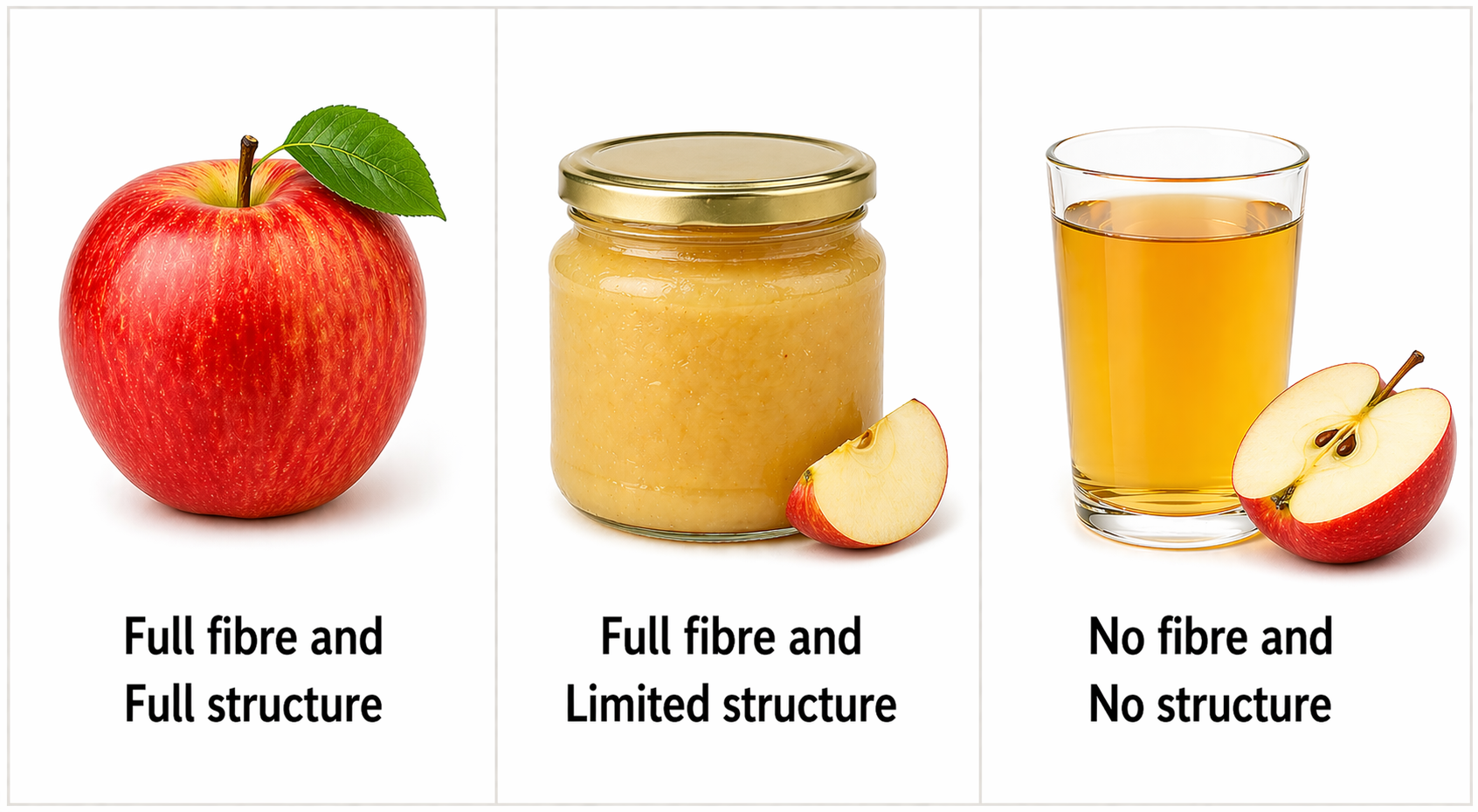
Food Structure Matters More Than Calories (Apple vs Apple Juice)
In 2009, researchers examined how fruit in different forms affects energy intake and satiety. Participants were given the same calories of apple, as a whole apple, applesauce, and apple juice. On paper, they were equivalent. In the body, they were not even close (3,14).
The whole apple requires chewing. That act alone slows intake and engages early satiety signals. The fibre within the apple creates structure, which delays how quickly food leaves the stomach and slows digestion and absorption. Applesauce reduces that structure. It is easier to consume, requires little chewing, and produces less fullness. Apple juice removes structure almost entirely. It is rapidly absorbed, produces minimal satiety, and delivers sugar quickly into the bloodstream (2,4,9–11).
This is one of the clearest examples of why fibre cannot be reduced to a number on a label. Structure, texture, and the act of chewing all matter. When fibre is intact within food, it creates healthy resistance in the system. When it is removed, calories move quickly, and the body is forced to respond just as quickly.
That rapid rise in blood sugar triggers a strong insulin response from the pancreatic islet cells to bring levels back down. The cycle begins, a rise, a correction, and often a drop that drives hunger, cravings, and energy instability.
“This is not just about what you eat. It is about how it enters the system.”
PJ Rawlek, MD
What Happens When Fibre Is Missing
The Sugar Surge Problem, We’ve All Seen It, We’ve All Been There
When fibre is low, especially in meals built around refined carbohydrates or sugary drinks, the body moves through a rapid and predictable sequence. Glucose is absorbed quickly, driving a sharp rise in blood sugar. The body responds with a surge of insulin to bring those levels back down. That response is often more aggressive than required, leading to a drop in blood sugar that leaves people feeling fatigued, irritable, and hungry again.
In the short term, this creates the familiar energy rollercoaster. Energy rises, then falls. Focus becomes harder to sustain. When the brain is challenged, regulation slips more easily, patience shortens, and reactivity increases. Hunger returns sooner, and cravings begin to favour the very foods that started the cycle. This is a day-to-day experience that many people normalize without recognizing what is driving it.
Over time, the pattern matters more than any single meal. Repeated exposure to these rapid surges and crashes changes how the body manages energy. When glucose consistently arrives in large amounts and too quickly, the body shifts toward storage. This promotes fat accumulation and contributes to metabolic dysregulation (9). The issue is not a single spike. It is the repeated pattern that reshapes physiology over time (2,10).
This is not a willpower problem. It is a physiology problem, driven by how energy enters the system, the emotional swings that follow, and how those repeated surges target and condition the brain’s reward pathways to keep us searching out, even hunting for more of the same highs. Low fibre, sugar laden intake is addictive.
Eating well matters.
Your biology, and your long-term health, depend on it.
You become what you consistently put in your mouth.
Fibre, The Master Regulator of Metabolism
Fibre works at the very start of how the body handles food. It controls how quickly energy comes in and is critical for a steady release of sugar into the body, without sudden swings. When food keeps its natural structure, energy is delivered slowly and predictably, and the body stays in control. When fibre is stripped away, energy rushes in, and the body is forced into a reactive mode.
In the stomach, fibre slows gastric emptying (how quickly food leaves the stomach), keeping food there longer for better digestion, extending fullness, and naturally reducing how much is eaten. As food moves into the small intestine, fibre continues to regulate the process, slowing the absorption of carbohydrates and fats, flattening blood sugar curves and reducing the need for large insulin responses (2,9–12). This controlled delivery of energy is what stabilizes the system, avoiding the sharp spikes and drops that drive fatigue, hunger, and metabolic stress.
Certain types of fibre, particularly soluble and viscous fibres found in foods like oats, beans, and lentils, take this a step further. They form a gel-like matrix within the digestive tract that delays nutrient absorption and can bind cholesterol, helping remove it from the body. This is not just digestion, it is active metabolic regulation occurring at the point of entry, influencing how the body handles energy, lipids, and circulating nutrients.
This is not a minor effect. It represents a shift in how the system operates, from reactive to regulated. Instead of managing the consequences of rapid energy delivery, the body is supported with a steady, controlled input that promotes stable energy levels, improved appetite regulation, and long-term metabolic health. Fibre does not just influence outcomes, it shapes the conditions that determine them.
And what is not absorbed upstream does not go to waste. It becomes fuel for the most influential system you have yet to consider.
The Gut Microbiome: Where Fibre Does Its Deeper Work
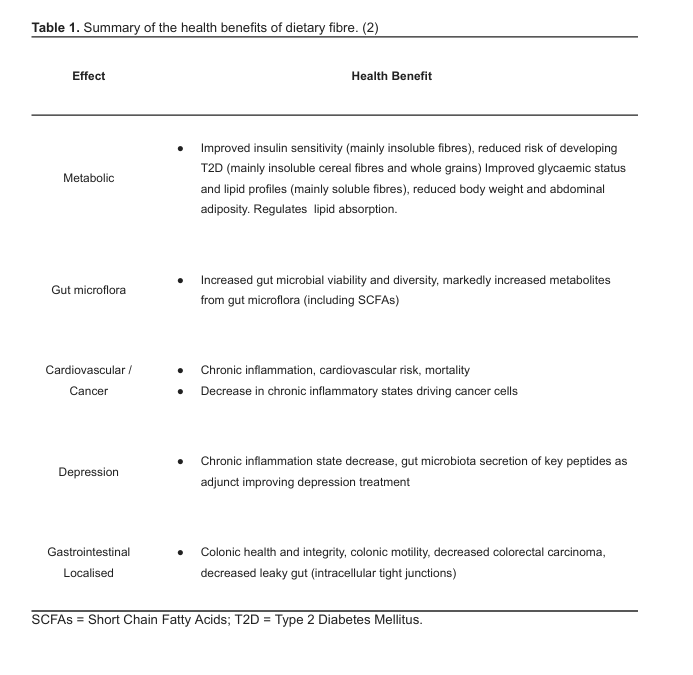
When fibre reaches the large intestine, it becomes fuel for the gut microbiome (4). This is where some of the most important physiological effects occur, not at the level of digestion, but at the level of regulation across multiple body systems. Gut bacteria ferment fibre and produce metabolites, particularly short-chain fatty acids such as butyrate, acetate, and propionate. These are not simply byproducts. They are signalling molecules that influence inflammation, metabolic function, and communication between the gut and the brain (17,18).
One of their most critical roles is maintaining the integrity of the gut lining. A healthy microbiome supports tightly regulated intracellular junctions between cells of the intestinal wall, creating a controlled barrier between the contents of the gut and the rest of the body. When fibre intake is low and microbial diversity declines, this system begins to weaken. The junctions loosen, permeability increases, and inflammatory signals can move more freely into circulation. This process is often referred to as “leaky gut,” but at its core, it is a loss of barrier control that contributes to chronic, low-grade inflammation.
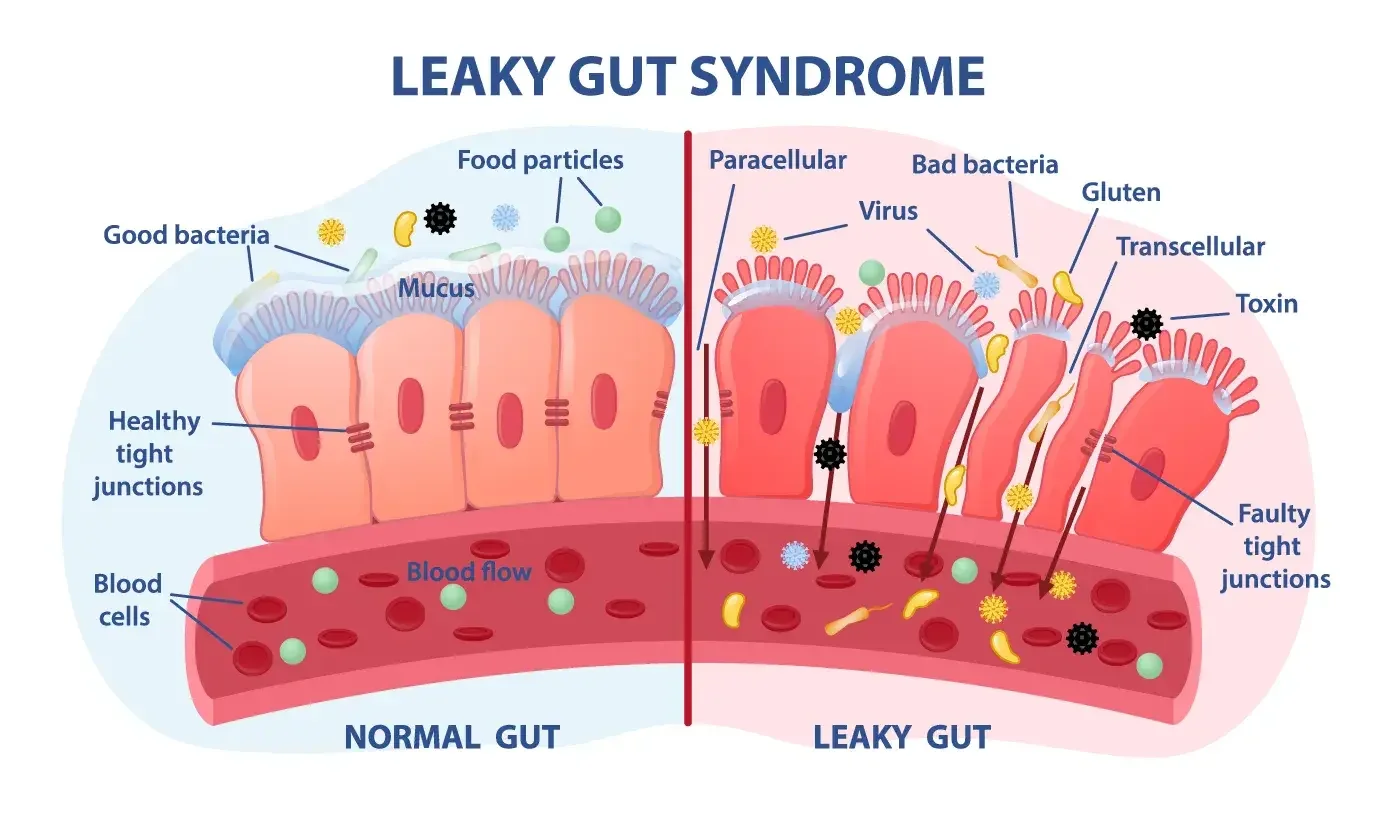
Reference: Slide from https://www.usbiotek.com/blog/the-role-of-zonulin.
That inflammatory state does not stay in the gut. It influences systems across the body. It is associated with cardiometabolic disease, insulin resistance, and weight dysregulation. It contributes to altered brain signalling through the gut–brain axis, with growing evidence linking poor gut health to mood disturbances, including depression. It is also increasingly recognized as a contributing factor in the development and progression of several chronic diseases, including certain cancers. The common thread is not a single pathway, but a system that has lost its ability to regulate itself effectively.
The key point is diversity. Different fibres feed different bacterial populations. A varied intake of plant-based foods supports a more diverse microbiome, which in turn produces a broader range of beneficial metabolites that help maintain gut integrity and regulate inflammation (15,16). This is why fibre cannot be replaced by a single supplement. Whole foods deliver a range of fibres that work together to support a resilient, stable system.
A healthy gut is not just about digestion. It is about control, protection, and communication across the entire body.
Why This Has Become a Population-Level Issue
As diets have shifted toward convenience, fibre intake has steadily declined. Processed and ultra-processed foods are easier to access, require little preparation, and are designed for rapid consumption and absorption, often delivering refined carbohydrates with minimal fibre. At the same time, there has been a noticeable shift toward higher protein intake, frequently at the expense of fibre-rich carbohydrates that historically formed the base of most diets. This is not an isolated change. It represents a broad shift in how food is structured and consumed.
Even well-intentioned choices commonly fall short. Many people believe they are eating enough fibre because they include a salad or a single serving of vegetables in their day. In reality, these amounts are often insufficient to meet physiological needs, particularly when the rest of the diet is built around low-fibre foods. Fibre is not something that can be added in small amounts and expected to correct the system. It requires consistent presence across meals to have its regulatory effect (7,10,14,16).
The result is a consistent under-delivery of fibre across the population. This is not about individual decisions alone. It reflects the environment people are operating within, where low-fibre, high-convenience foods have become the default. Over time, this pattern shapes behaviour, normalizes low intake, and reinforces the physiological consequences described earlier.
This is why fibre deficiency is not simply an individual issue. It is a system-level pattern that is quietly shaping health outcomes at scale.
When systems shift, so do the outcomes for good or bad.
What Actually Works (And What Does Not)
This is not about overhauling how people eat. Large, sudden dietary changes are difficult to sustain and often fail. Behaviour research, including work from the University of Surrey, shows that lasting change is built through simple, repeatable actions performed in consistent contexts (1,5,6).
It’s about progression, not perfection.
The most practical starting point is straightforward. Aim for half your plate to come from fibre-rich foods. This is not about perfection at every meal. It is about creating a consistent pattern that gradually shifts intake in the right direction (8,19). From there, small adjustments can build momentum. Add beans or lentils to meals that are already part of your routine. Choose whole grains when possible. Include fruits and vegetables that require chewing. Rethink protein as a combination of animal and plant sources rather than one replacing the other.
These are not dramatic changes. They are upgrades to what is already happening. And realize creating a new habit can take a long time or short time; it is dependent on the frequency you do the new habit, and the consistency (1). Realize, establishing a new habit will take 66 days on average (13).
A Simple Reality Check
If you want to understand the impact of fibre, remove it for a day. Eat primarily refined, low-fibre foods. Pay attention to energy, hunger, and focus. Most people will notice the difference quickly.
Then bring fibre back in. The contrast becomes clear.
Final Thought
Fibre is not a secondary consideration in nutrition. It is a central input into how the body regulates energy, metabolism, and long-term health. Its absence does not trigger immediate alarms, but it quietly shapes outcomes over time.
The opportunity is not complex. It is consistent, practical, and within reach..
Start with the plate. Build from there, before it is too late.
The question each of us should be asking:
What are we doing to our bodies by how we feed ourselves?
And perhaps more importantly, what are we shaping in our children through those same choices?
FIBER SUPER POWERS
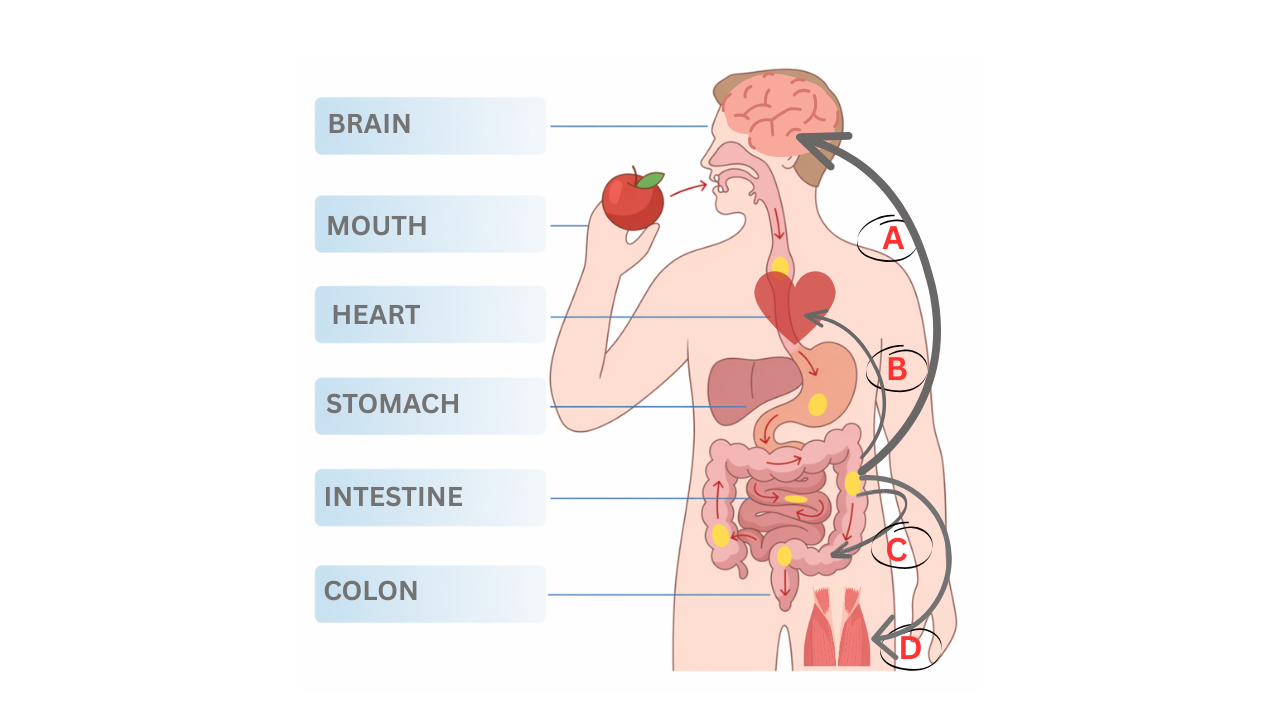
A: Gut-Brain-Axis optimized for mental health and readiness to learn
B: Cardiometabolic / Inflammation protection
C: Gut intestinal health optimized
D: Muscular performance fine-tuned
Reference:
Ashton, L. M., Sharkey, T., Whatnall, M. C., Williams, R. L., Bezzina, A., Aguiar, E. J., Collins, C. E., & Hutchesson, M. J. (2019). Effectiveness of interventions and behaviour change techniques for improving dietary intake in young adults: A systematic review and meta-analysis of randomized controlled trials. Nutrients, 11(4), 825. https://doi.org/10.3390/nu11040825
Barber, T. M., Kabisch, S., Pfeiffer, A. F. H., & Weickert, M. O. (2020). The health benefits of dietary fibre. Nutrients, 12(10), 3209.https://doi.org/10.3390/nu12103209
Flood-Obbagy, J. E., & Rolls, B. J. (2009). The effect of fruit in different forms on energy intake and satiety at a meal. Appetite, 52(2), 416–422. https://doi.org/10.1016/j.appet.2008.12.001
Fu, J., Zheng, J., Ni, M., & Xu, H. (2022). Dietary fiber intake and gut microbiota in human health. Microorganisms, 10(12), 2507.https://doi.org/10.3390/microorganisms10122507
Gardner, B. (2015). A review and analysis of the use of ‘habit’ in understanding, predicting and influencing health-related behaviour. Health Psychology Review, 9(3), 277–295.https://doi.org/10.1080/17437199.2013.876238
Keller, J., Kwasnicka, D., Klaiber, P., Sichert, L., Lally, P., & Fleig, L. (2021). Habit formation following routine-based versus time-based cue planning: A randomized controlled trial. British Journal of Health Psychology, 26(3), 807–824.https://doi.org/10.1111/bjhp.12504
Kim, Y., Je, Y., & Giovannucci, E. L. (2016). Dietary fibre intake and mortality from cardiovascular disease and all cancers: A meta-analysis of prospective cohort studies. Archives of Cardiovascular Diseases, 109(1), 39–54. https://doi.org/10.1016/j.acvd.2015.09.005
McKeown, N. M., Fahey, G. C., Slavin, J. L., & van der Kamp, J. W. (2022). Fibre intake for optimal health: How can healthcare professionals support people to reach dietary recommendations? BMJ, 378, e054370. https://doi.org/10.1136/bmj-2020-054370
Mocanu, V., & Madsen, K. L. (2024). Dietary fibre and metabolic health: A clinical primer. Clinical and Translational Medicine, 14(10), e70018.https://doi.org/10.1002/ctm2.70018
Reynolds, A., Mann, J., Cummings, J., Winter, N., Mete, E., & Te Morenga, L. (2019). Carbohydrate quality and human health: A series of systematic reviews and meta-analyses. The Lancet, 393(10170), 434–445. https://doi.org/10.1016/S0140-6736(18)31809-9
Reynolds, A. N., Akerman, A. P., & Mann, J. (2020). Dietary fibre and whole grains in diabetes management: Systematic review and meta-analyses. PLoS Medicine, 17(3), e1003053.https://doi.org/10.1371/journal.pmed.1003053
Schoeneck, M., & Iggman, D. (2021). The effects of foods on LDL cholesterol levels: A systematic review of the accumulated evidence from systematic reviews and meta-analyses of randomized controlled trials. Atherosclerosis Supplements, 44, 99–112. https://doi.org/10.1016/j.atherosclerosissup.2021.01.003
Singh, B., Murphy, A., Maher, C., & Smith, A. E. (2024). Time to form a habit: A systematic review and meta-analysis of health behaviour habit formation and its determinants. Healthcare, 12(23), 2488. https://doi.org/10.3390/healthcare12232488
Slavin, J. L. (2005). Dietary fiber and body weight. Nutrition, 21(3), 411–418. https://doi.org/10.1016/j.nut.2004.08.018
Slavin, J. (2013). Fiber and prebiotics: Mechanisms and health benefits. Nutrients, 5(4), 1417–1435.https://doi.org/10.3390/nu5041417
Veronese, N., Solmi, M., Caruso, M. G., Giannelli, G., Osella, A. R., Evangelou, E., Maggi, S., Fontana, L., Stubbs, B., & Tzoulaki, I. (2018). Dietary fiber and health outcomes: An umbrella review of systematic reviews and meta-analyses. The American Journal of Clinical Nutrition, 107(3), 436–444. https://doi.org/10.1093/ajcn/nqx082
Wang, L., Cai, T., Zhang, X., Feng, J., Shi, Y., Peng, X., Li, X., & Wu, Q. (2024). Short-chain fatty acids: Bridges between diet, gut microbiota, and health. Journal of Gastroenterology and Hepatology, 39(9), 1728–1736. https://doi.org/10.1111/jgh.16619
Wang, W., Sun, X., Wang, C., Jiang, W., Chen, X., Wang, H., Fan, Y., Zhang, H., Ma, X., & Liu, J. (2024). Gut microbiota determines the fate of dietary fiber-targeted metabolic regulation. Gut Microbes, 16(1), 2416915.https://doi.org/10.1080/19490976.2024.2416915
Watson, N. A., Cunningham, K., & Ball, K. (2023). A habit-based dietary intervention increases fruit and vegetable, whole grain and healthy protein intakes: A pilot study. Nutrients, 15(3), 731. https://doi.org/10.3390/nu15030731