
Working Together: How Inclusion Makes Life and Activities More Fun for Everyone
Reviewed by Dr. Scott Rollo, PhD & Dr. Peter Rawlek, MD
Think about the last time you joined a game or activity and genuinely felt part of the group. You probably had more fun, played with more confidence, and even forgot to worry about making mistakes. That’s the power of belonging — and it’s just as important to physical activity as skill or fitness.
When we feel welcomed, valued, and safe, we’re far more likely to join in, stick with it, and enjoy ourselves. And when a group creates that feeling for everyone — not just the “sporty” people — something special happens: more people participate, more laughter fills the space, and the whole team performs better.
Why Belonging Matters in Physical Activities
Being active with others isn’t only about scoring points or running fast — it’s about how we connect. For some, joining a team game feels natural. For others, especially those who’ve been left out before or don’t feel “sporty,” the thought of joining can be intimidating.
Belonging changes that.
When people feel included:
They’re more willing to try something new.
They care less about making mistakes.
They start to see themselves as part of the group — not on the outside looking in.
When inclusion is missing, participation drops. And when fewer people join in, the whole group misses out on their ideas, energy, and unique abilities.
How Everyone Should Help Build Inclusion
Inclusion doesn’t “just happen” — it’s built, moment by moment, through how we act and treat each other. Every person, whether they’re a confident player or someone new to the activity, can help.
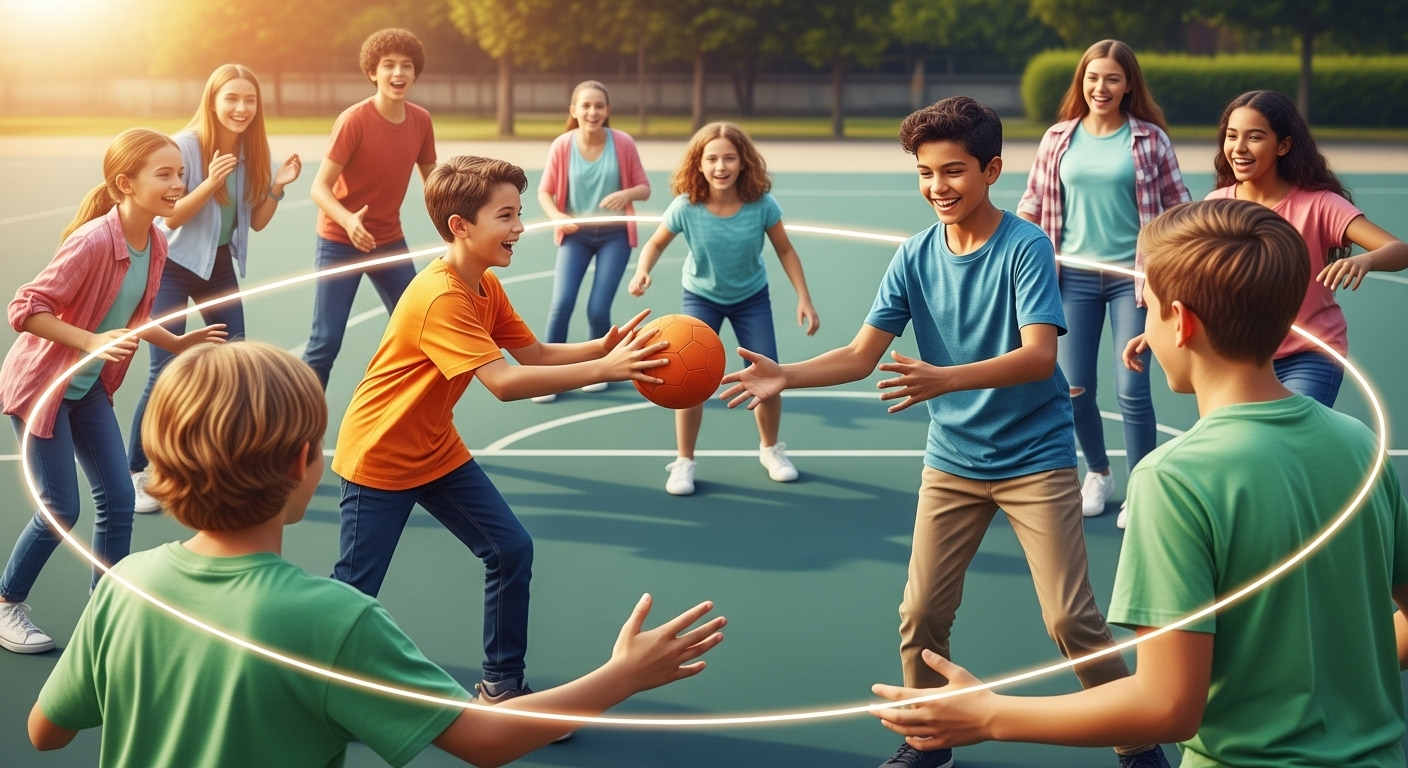
Individual Actions
Encourage and advocate for others. A simple “Nice try!” or “You’ve got this!” can give someone the confidence to keep going. If someone’s nervous to take a volleyball serve, let them know you’re cheering for them.
Value differences. Notice what each person brings. Someone might be fast, another might see plays before they happen, and someone else might be learning but giving their all — every role matters.
Show empathy. If you see someone sitting out or looking unsure, invite them in. Pass them the ball. Make space for them in the game.
Group Actions
Match roles to strengths. Not everyone needs to do the same thing. The fastest player might sprint for the flag, while the most strategic player plans the defense.
Adapt the game to open doors. Simple changes — like smaller teams, fewer dribbles in basketball, or extra passes before shooting — can help everyone get more touches and time to shine.
Collaborate. In team planning, make sure every voice is heard. Even quiet ideas can spark great plays.
Safety + Inclusion = Confidence (Fun)
When a group is both safe and inclusive, players stop worrying about embarrassment and focus on enjoying themselves and improving. That’s when even people who never saw themselves as “athletes” start to lean in, move more, and surprise themselves.
Reflection
Do I encourage and include others when we play?
How do I respond when someone struggles or is learning?
What’s one thing I could do next time to make it easier for someone else to join in?
Activity Ideas
Inclusion Switch-Up: In a running game, have players switch roles regularly so everyone experiences different parts of play.
Pass to Everyone Rule: In team games, require that every player touches the ball or frisbee before scoring.
Strength Spotting: Before a game, have teams list each member’s strength — speed, aim, strategy, encouragement — and find ways to use each one.
Core Takeaway: Inclusion isn’t just “being nice” — it’s an active choice that transforms how games feel, keeps more people involved, and makes movement something everyone can look forward to.