
Why Sitting Too Much and Staring at Screens Can Be a Problem (and What You Can Do About It)
Reviewed by Dr. Scott Rollo, PhD & Dr. Peter Rawlek, MD
Think about your day. How much of it is spent sitting — in class, on your phone, gaming, or watching videos? Most students sit for more than 7 hours a day, and for a lot of us, it’s even more.
Relaxing is fine, but too much sitting and screen time can leave you feeling tired, stressed, and even less motivated to do things you enjoy.
The good news? You don’t have to give up screens or run marathons to feel better - Here are small changes that can make a big difference.
What “Sitting Too Much” and “Screen Time” Really Mean
Sitting too much = staying in one spot for a long time, like in class, while gaming, or watching shows.
Screen time = all the time you spend looking at a phone, tablet, computer, or TV.
Some screen time is okay — especially for schoolwork or relaxing — but too much without breaks can cause problems.
Why Too Much Sitting and Screen Time Can Be a Problem
For Your Body
Aches, pains, and permanent posture changes – Slouching while gaming or scrolling will make your neck, shoulders, and back more rounded and will cause pain. Permanent postural changes will happen over time

Less energy – The more you sit, the more tired and sluggish you can feel.
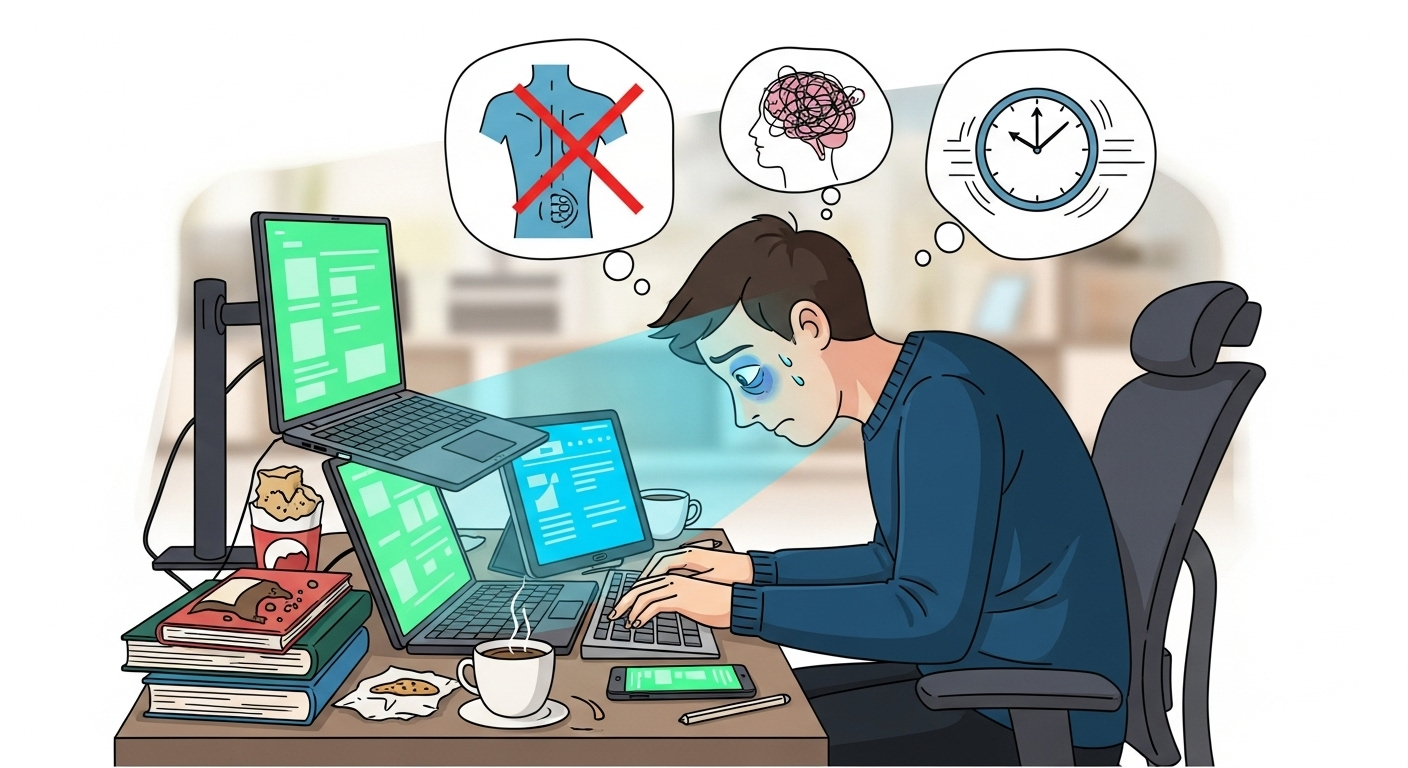
Long-term health risks – Not moving enough can raise the chance of weight gain and other health issues later.
For Your Mind
Feeling down – Social media really plays with people’s minds, and over time can leave you feeling empty, or left out or even compare yourself to others.
Poor sleep – Screens at night are really bad! It disrupts brain sleep patterns, disrupts sleep, making it harder to fall asleep and stay asleep. Your next day, less able to learn and emotions are hard to control .
Harder to focus – Too much screen time plainly makes schoolwork feel harder. I don’t like that - do you?
For Friendships
Missing moments – Too much time on screens result in fewer real-life experiences with family and friends. That is called “social isolation” and that is very unhealthy.
Talking less in person – It’s easier to text than talk face-to-face, but in-person skills are important. Especially the face to face conversations, learning how to interact and not.
Why Moving — Even a Little — Helps
Moving your body, even in small ways, wakes you up, wakes your brain up, helps you focus, and it boosts your mood. Small 5 minute bouts are good (10 minutes of activity, breathing heavy even better!)
Experts recommend:
Break up sitting every 40 minutes (stand, stretch, walk).
Limit fun screen time to 2 hours a day (schoolwork doesn’t count).
Easy Ways to Sit Less (No Sports Required)
Stand during ads or loading screens – or pace while you’re on a call.
Stretch while gaming or watching videos – arms, legs, neck, shoulders. arms, legs, neck, shoulders.
Mini missions – put your phone across the room so you have to get up to check it.
Change spots – move to a standing position while watching or scrolling.
Quick walks – walk to the kitchen and back, or to your mailbox.
A Healthier Day Could Look Like This
Morning – stretch for 30 seconds before grabbing your phone.
School – stand and stretch between classes.
After school – take a 5-minute break from your screen every half hour.
Evening – swap one show or game for something active (even light movement at home).
Your Turn
How many hours do you think you sit each day?
What’s one break you could add to move more?
How could you make your screen time healthier?
Remember: You don’t have to give up the things you enjoy — just add small movements into your day. Even standing up more often, stretching while gaming, or walking around the block can help you feel more awake, sleep better, and have more energy. Start small, and you’ll feel the difference.
References:
Statistics Canada. (2025, October 17). Directly measured physical activity and sedentary time in Canada: New results from the Canadian Health Measures Survey, 2022 to 2024. The Daily. https://www150.statcan.gc.ca/n1/daily-quotidien/251017/dq251017b-eng.htm
Carson, V., Hunter, S., Kuzik, N., Gray, C. E., Poitras, V. J., Chaput, J. P., ... & Tremblay, M. S. (2016). Systematic review of sedentary behaviour and health indicators in school-aged children and youth: an update. Applied physiology, nutrition, and metabolism, 41(6), S240-S265.
Stiglic, N., & Viner, R. M. (2019). Effects of screentime on the health and well-being of children and adolescents: a systematic review of reviews. BMJ open, 9(1), e023191.
Mazzoli, E., Salmon, J., Teo, W. P., Pesce, C., He, J., Ben-Soussan, T. D., & Barnett, L. M. (2021). Breaking up classroom sitting time with cognitively engaging physical activity: Behavioural and brain responses. PLoS One, 16(7), e0253733.
Saunders, T. J., Rollo, S., Kuzik, N., Demchenko, I., Bélanger, S., Brisson-Boivin, K., ... & Tremblay, M. S. (2022). International school-related sedentary behaviour recommendations for children and youth. International Journal of Behavioral Nutrition and Physical Activity, 19(1), 39.
Canadian Society for Exercise Physiology. (2025). Canadian 24-Hour Movement Guidelines for the Children and Youth (5-17 years): An Integration of Physical Activity, Sedentary Behaviour, and Sleep. 24-Hour Movement Guidelines. https://csepguidelines.ca/guidelines/children-youth/