
The Science Backing the MediterrAsian Diet
Reviewed by Dr. Valena Wright, MD and Dr. Scott Rollo, PhD
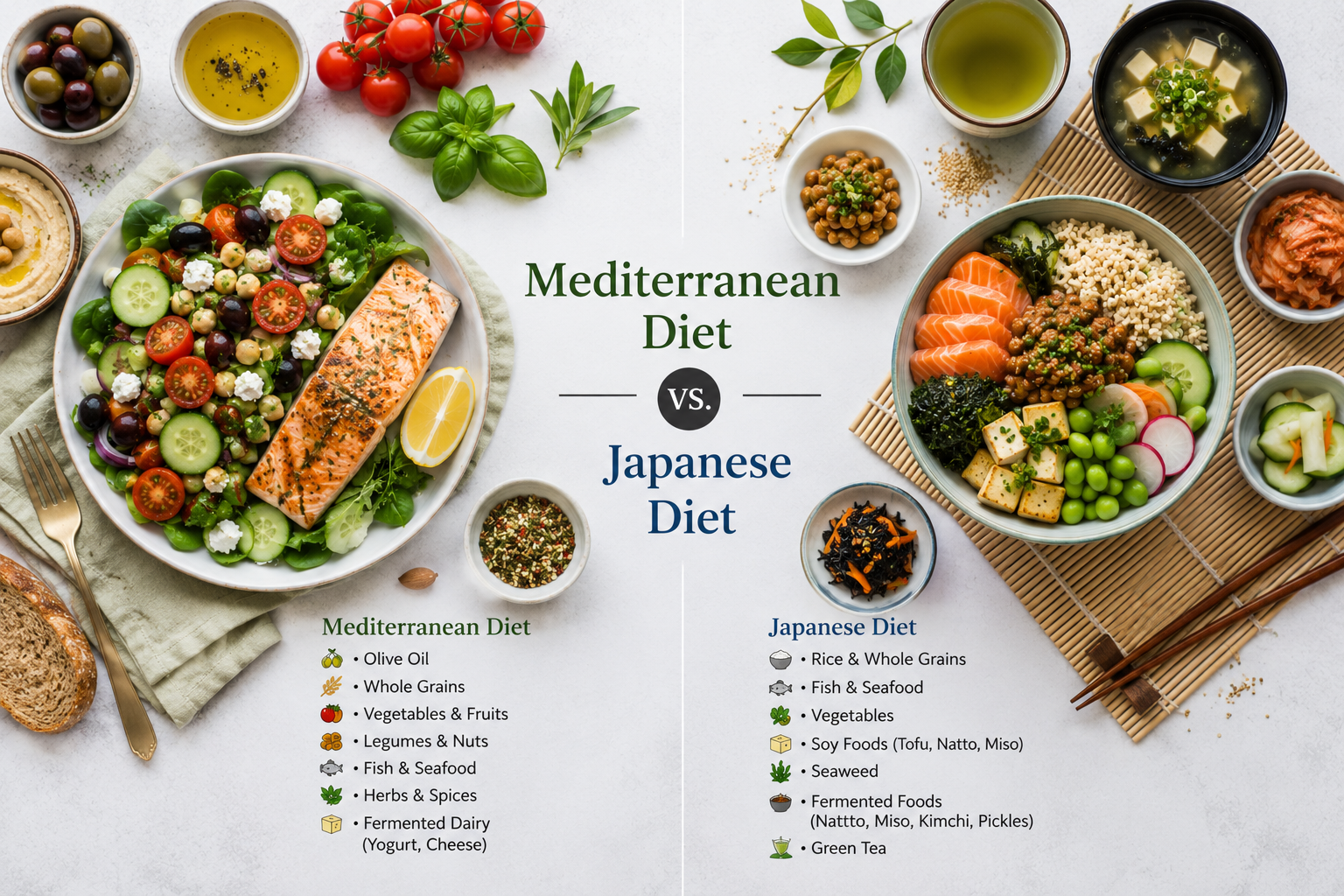
Image generated using AI guided prompts
The Japanese diet is strongly associated with the world's longest life expectancy, while the Mediterranean diet has decades of clinical evidence regarding reduced disease, both demonstrating in all studies markedly improved health span (quality years of your best health) and life span (decreased mortality) (2-5).
There is not a single pathway to explain why the Mediterranean/Japanese (MediterrAsian) diet lowers the risk of cardiovascular disease, certain cancers, and other metabolic conditions. Instead, the benefits come from multiple systems working together, overlapping and reinforcing one another over time. This pattern of eating influences cholesterol regulation, inflammation, oxidative stress, hormonal balance, cellular repair, and the gut microbiome, all at once. The result is not one isolated effect, but a coordinated shift in how the body functions day to day. The most important mechanisms driving these health and longevity benefits are outlined here: (i) Fibre + healthier fats - lipid-lowering effect, (ii) protection against oxidative stress, inflammation, and platelet aggregation, (iii) modification of hormones and growth factors involved in the pathogenesis of cancer, (iv) preventing overactivation of pathways linked to aging and cancer , and (v) Fibre power - gut microbiota-mediated production of metabolites influencing metabolic health (1).
The science behind why it works
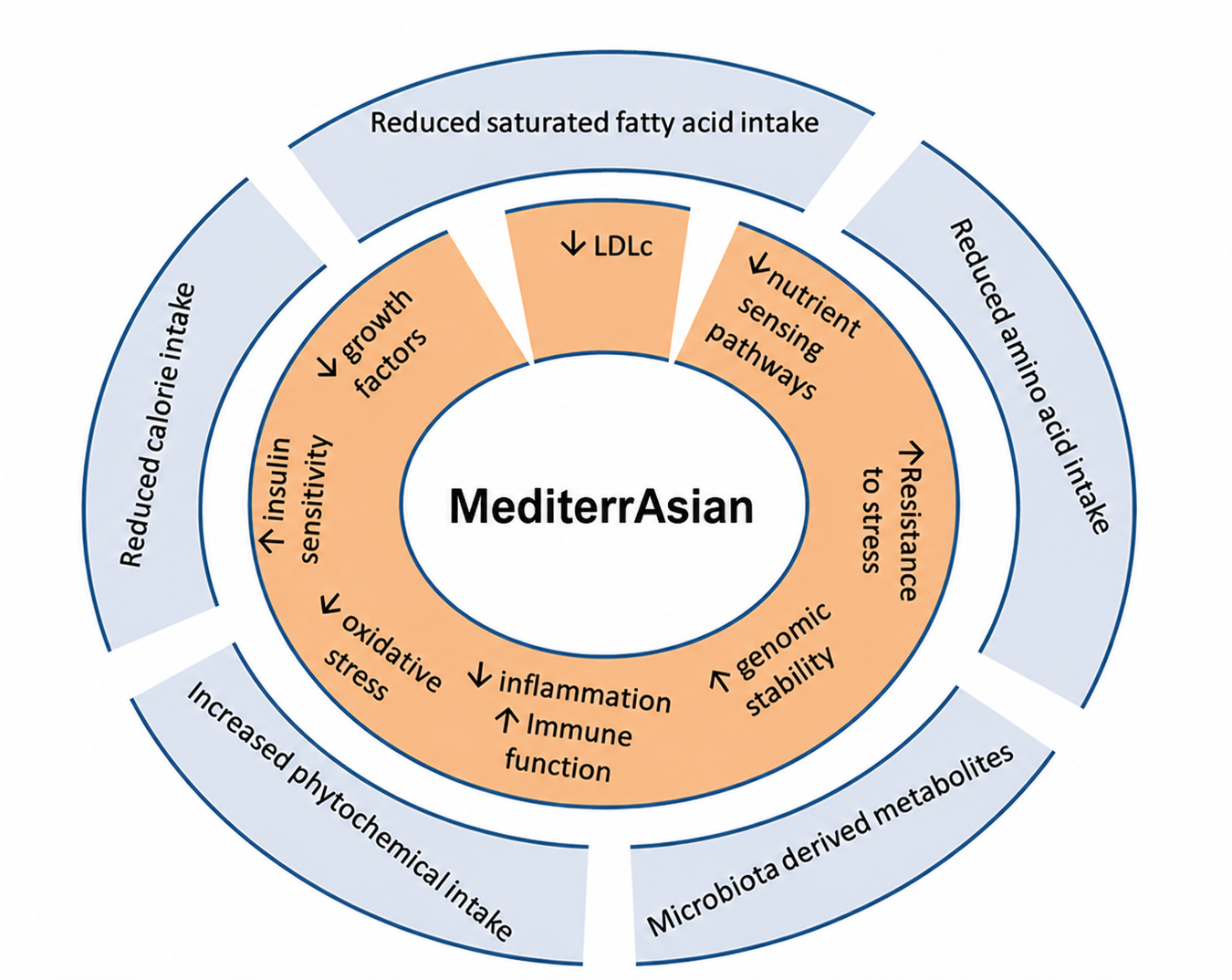
Figure 1. “The effectors of the MediterrAsian Diet (the outer circle are the effectors).”
Reference: Valeria Tosti, Beatrice Bertozzi, Luigi Fontana, Health Benefits of the Mediterranean Diet: Metabolic and Molecular Mechanisms, The Journals of Gerontology: Series A, Volume 73, Issue 3, March 2018, Pages 318–326, https://doi.org/10.1093/gerona/glx227
Fibre factor + healthier fats = lipid lowering effects
The Mediterranean diet helps lower cholesterol by shifting fat intake away from saturated fats, like butter and fatty meats, toward healthier fats found in olive oil, nuts, and seeds. This change lowers “bad” LDL cholesterol, a key driver of plaque buildup in arteries. It also brings in high levels of fibre from beans, whole grains, and fruits, which helps remove cholesterol from the body and reduce how much is absorbed. Over time, this combination supports healthier blood vessels and significantly lowers the risk of heart disease.
Protection against oxidative stress, inflammation, and platelet aggregation
At the same time, this way of eating protects the body from internal “wear and tear.” Antioxidants from fruits, vegetables, olive oil, and nuts help reduce oxidative stress, which is a major contributor to heart disease, cancer, and aging. The diet also lowers background inflammation by combining many protective foods that work together, not just individually. Blood becomes less “sticky,” meaning it is less likely to form harmful clots. Together, these effects help keep blood vessels open, responsive, and protected.
Modification of factors involved in the pathogenesis of cancer
The Mediterranean diet also shifts the body’s hormonal environment in a way that is less supportive of cancer growth. Without strict calorie counting, people often lose weight because of the high-fibre, lower-energy density foods, and this improves blood sugar and insulin levels. It also lowers levels of hormones like estrogen, testosterone, and IGF-1, which act as growth signals for many cancers. Fibre plays an additional role by helping remove excess hormones and potential carcinogens from the body. The result is a metabolic environment that is quieter, more stable, and less favorable for tumor development.
Blocking overactivation of pathways linked to aging and cancer progression
Another important piece is how the diet influences the body’s growth and repair systems at a cellular level. Compared to a typical Western diet, it includes less total protein and much less animal protein, with more coming from plant sources like legumes and whole grains. This naturally reduces certain amino acids that activate growth pathways such as mTOR, which are linked to aging and cancer when constantly stimulated. By “turning down” these signals, the body shifts toward maintenance and repair rather than continuous growth. At the same time, this pattern supports better insulin sensitivity and overall metabolic health.
Gut microbiota-mediated production of metabolites influencing metabolic health
Finally, the Mediterranean diet works through the gut microbiome, which acts as a key control center for metabolic health. Fibre-rich foods feed beneficial gut bacteria, allowing them to produce short-chain fatty acids that improve blood sugar control, reduce inflammation, and support heart and brain function. Lower intake of red meat and processed foods reduces harmful metabolites, which are linked to vascular damage and clot risk. Over time, this pattern builds a more diverse and stable microbiome that strengthens immune function and supports long-term health. These changes do not happen overnight, they reflect what you consistently feed your body and your microbiome over weeks and months.
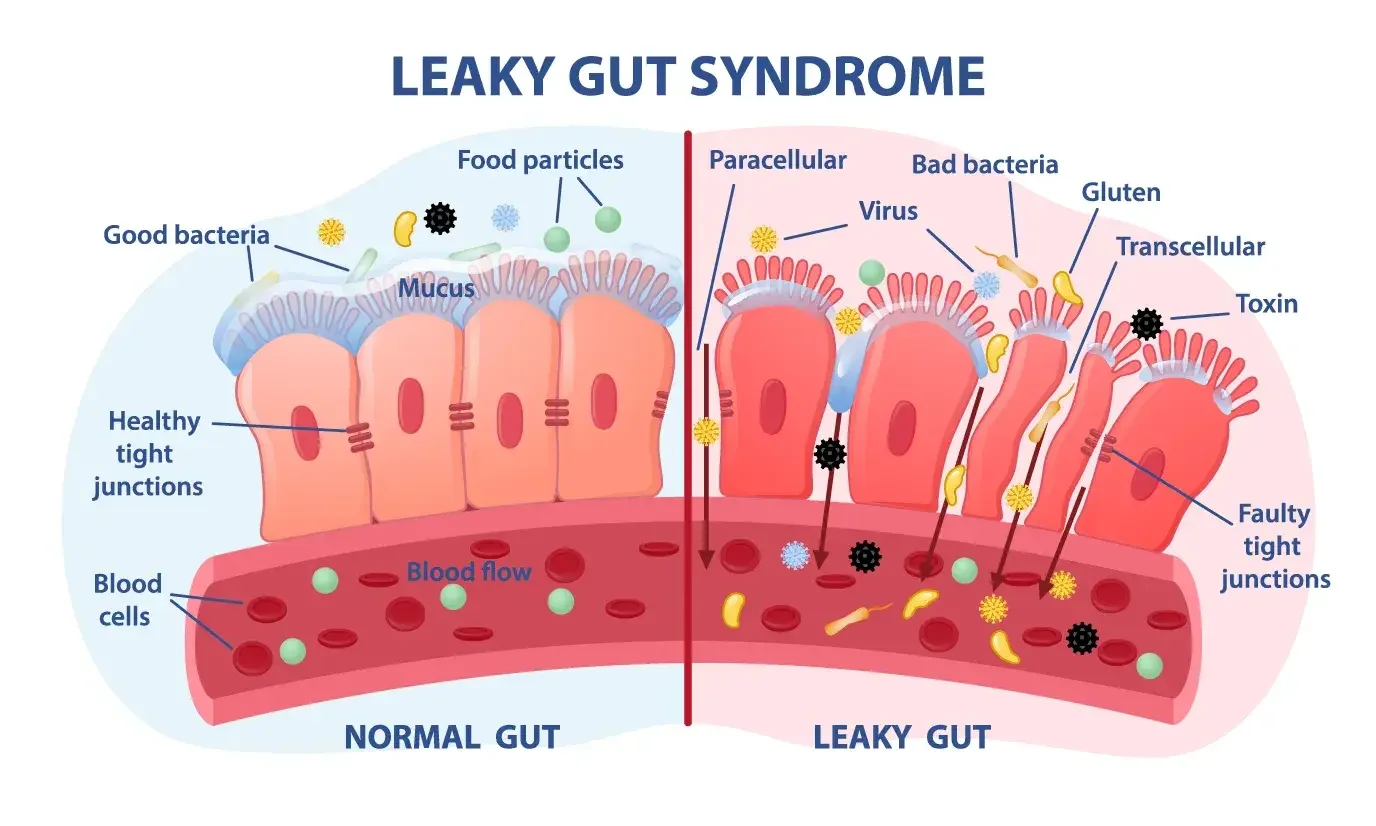
Reference: MediterrAsian diet fed healthy gut.
In summary, bringing it home
The evidence consistently supports legumes as a group, not just one specific type like beans or peas alone (1-5) independent what diet you partake in, multiple types are important. That includes:
beans (black beans, kidney beans, chickpeas)
lentils
peas
soy foods (tofu, edamame)
These are all part of the legumes category, and most large nutrition studies analyze them together because they share a similar biological profile.
Why they matter (the key biology piece)
Legumes deliver a unique combination that is almost impossible to replace:
high fibre (especially soluble fibres → cholesterol + glucose regulation)
plant protein
slow-digesting carbohydrates (low glycemic load)
micronutrients (iron, magnesium, folate)
Phytonutrients
Research:
Valeria Tosti, Beatrice Bertozzi, Luigi Fontana, Health Benefits of the Mediterranean Diet: Metabolic and Molecular Mechanisms, The Journals of Gerontology: Series A, Volume 73, Issue 3, March 2018, Pages 318–326, https://doi.org/10.1093/gerona/glx227
One of two core articles underpinning this document. This paper leans into the findings from the ground breaking research from the PREDIMED study (5) identifying dietary patterns (and lifestyle) and not specific nutrient ingestion is the game changer.
Santa K, Kumazawa Y, Watanabe K, Nagaoka I. The Recommendation of the Mediterranean-styled Japanese Diet for Healthy Longevity. Endocr Metab Immune Disord Drug Targets. 2024;24(15):1794-1812. doi: 10.2174/011871530328009724013007203. PMID: 38343059
The study proposes a “Mediterranean-styled Japanese diet” as a practical hybrid that combines the cardiovascular and metabolic benefits of the Mediterranean pattern with the longevity advantages observed in traditional Japanese eating. They highlight that this combined approach, rich in fish, vegetables, legumes, fermented foods, and healthy fats, may enhance anti-inflammatory, metabolic, and gut microbiome effects, supporting healthy aging and reduced chronic disease risk.
A resource: https://pnwhomeforlife.com/mediterranean-vs-japanese-diet-which-is-better-for-aging-well/
The article explains that both Mediterranean and Japanese diets are strongly linked to healthy aging, with the Mediterranean diet showing robust evidence for reducing cardiovascular disease and mortality, while the Japanese diet is associated with exceptional longevity and lower chronic disease risk. It concludes that neither diet is superior, as both share core features, plant-rich foods, fish, minimal processing, and supportive lifestyle habits like movement and social connection, suggesting it is the overall pattern and way of living that drives long-term health.
Singh, R. B., Fedacko, J., Fatima, G., Magomedova, A., Watanabe, S., & Elkilany, G. (2022). Why and How the Indo-Mediterranean Diet May Be Superior to Other Diets: The Role of Antioxidants in the Diet.Nutrients, 14(4), 898. https://doi.org/10.3390/nu14040898
Solid paper breaking down what are the key constituents that contribute to the impact of the MediterrAsian diet on health outcomes and longevity.
Estruch, R., Ros, E., Salas-Salvadó, J., Covas, M. I., Corella, D., Arós, F., Gómez-Gracia, E., Ruiz-Gutiérrez, V., Fiol, M., Lapetra, J., Lamuela-Raventós, R. M., Serra-Majem, L., Pintó, X., Basora, J., Muñoz, M. A., Sorlí, J. V., Martínez, J. A., & Martínez-González, M. A. (2018). Primary prevention of cardiovascular disease with a Mediterranean diet supplemented with extra-virgin olive oil or nuts. New England Journal of Medicine, 378(25), e34. https://doi.org/10.1056/NEJMoa1800389
It remains one of the most influential nutrition trials linking dietary patterns (not single nutrients) to cardiovascular disease prevention. It has inspired follow-up studies, including PREDIMED-Plus, exploring additional health outcomes such as weight management and diabetes prevention.