
Staying Active During a Heatwave: How to Exercise Safely in Hot Weather
Reviewed by Dr. Peter Rawlek, MD, Dr. Valena Wright, MD & Dr. Barry Weins, MD
Warm weather can make outdoor exercise enjoyable, but when temperatures soar during a heatwave, your outdoor activities can quickly become dangerous. Whether you're just starting or experienced, simply going for an outdoor walk, understanding how heat affects your body will help you stay safe and healthy.
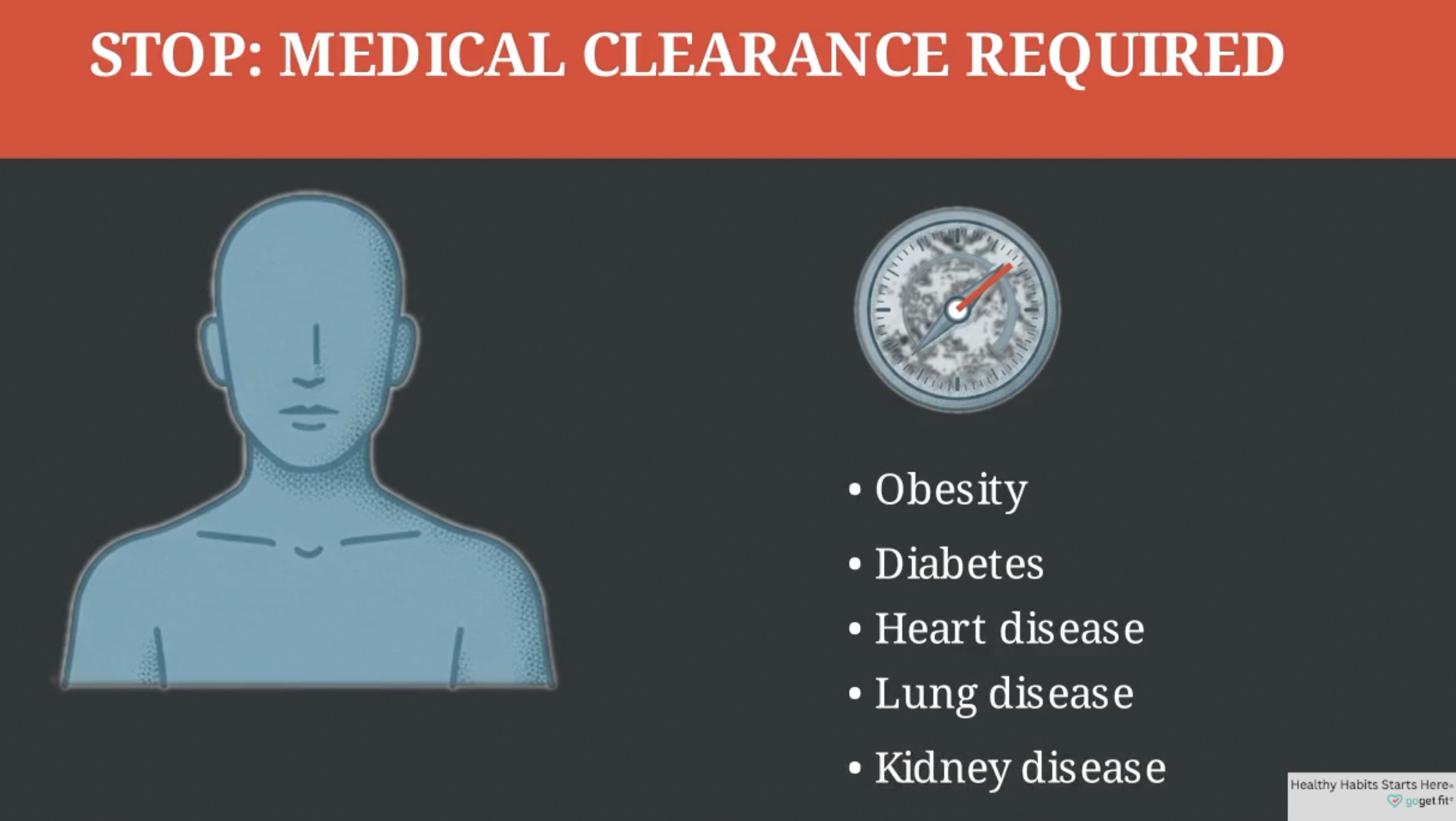
IMPORTANT: Some people are affected by heat much more quickly, including those living with obesity, diabetes, heart, lung, or kidney disease, or those taking certain medications. During a heatwave, exercising indoors in a well air-conditioned environment becomes even more important.
If you have one of these conditions or take prescription medications, speak with your pharmacist or healthcare provider to determine whether your medications or medical condition increase your risk of heat-related illness. Before choosing to exercise outdoors during a heatwave, ask whether it is safe for you to do so
Why Exercising in the Heat Is Harder
When you exercise, your muscles generate heat. To cool you down, your body increases blood flow to the skin and produces sweat to get rid of that heat. However, this creates a challenge.
When the outdoor temperature and especially the humidity are very high, your body has much more difficulty releasing heat. Your muscles still need that same blood supply to deliver oxygen, while your skin also demands more blood to help cool you. As a result, your heart works much harder, fatigue develops more quickly, and your body temperature can rise rapidly, increasing your risk of heat-related illness.
High humidity added to high temperatures makes matters even worse because sweat cannot evaporate effectively. Since evaporation is your body's primary cooling system, humid conditions make it significantly harder to regulate your temperature.
During a heatwave, the safest option is to exercise indoors in a well air-conditioned environment. If you choose to exercise outside, reduce the intensity, pay close attention to the earliest warning signs, and stop immediately if your body tells you it is struggling with the heat.
Pro-tip: Economic options, consider walking or moving gently in an air-conditioned library, shopping mall, community centre, recreation centre, or local cooling centre.

Tips for Safe Exercise During a Heatwave
Heat Alerts Should Overrule the Clock
Early morning or evening may be cooler, but always check the temperature, humidity, humidex, heat warnings, and air-quality alerts first. During an extreme heat warning, move the activity indoors or postpone it.
Exercise Indoors Whenever Possible
During a heatwave, the safest (and smartest) place to exercise is indoors in a well air-conditioned environment. With air conditioning, a treadmill, indoor track, gym, fitness class, or even a home workout can significantly reduce your risk of heat-related illness while allowing you to remain active. But if you choose to exercise outdoors (not advised), reduce the intensity and duration of your workout, and be prepared to stop at the first sign that your body is struggling with the heat.
Pro-tip: If your home is not air-conditioned, consider walking or moving gently in an air-conditioned library, shopping mall, community centre, recreation centre, or local cooling centre.
Exercise During Cooler Hours
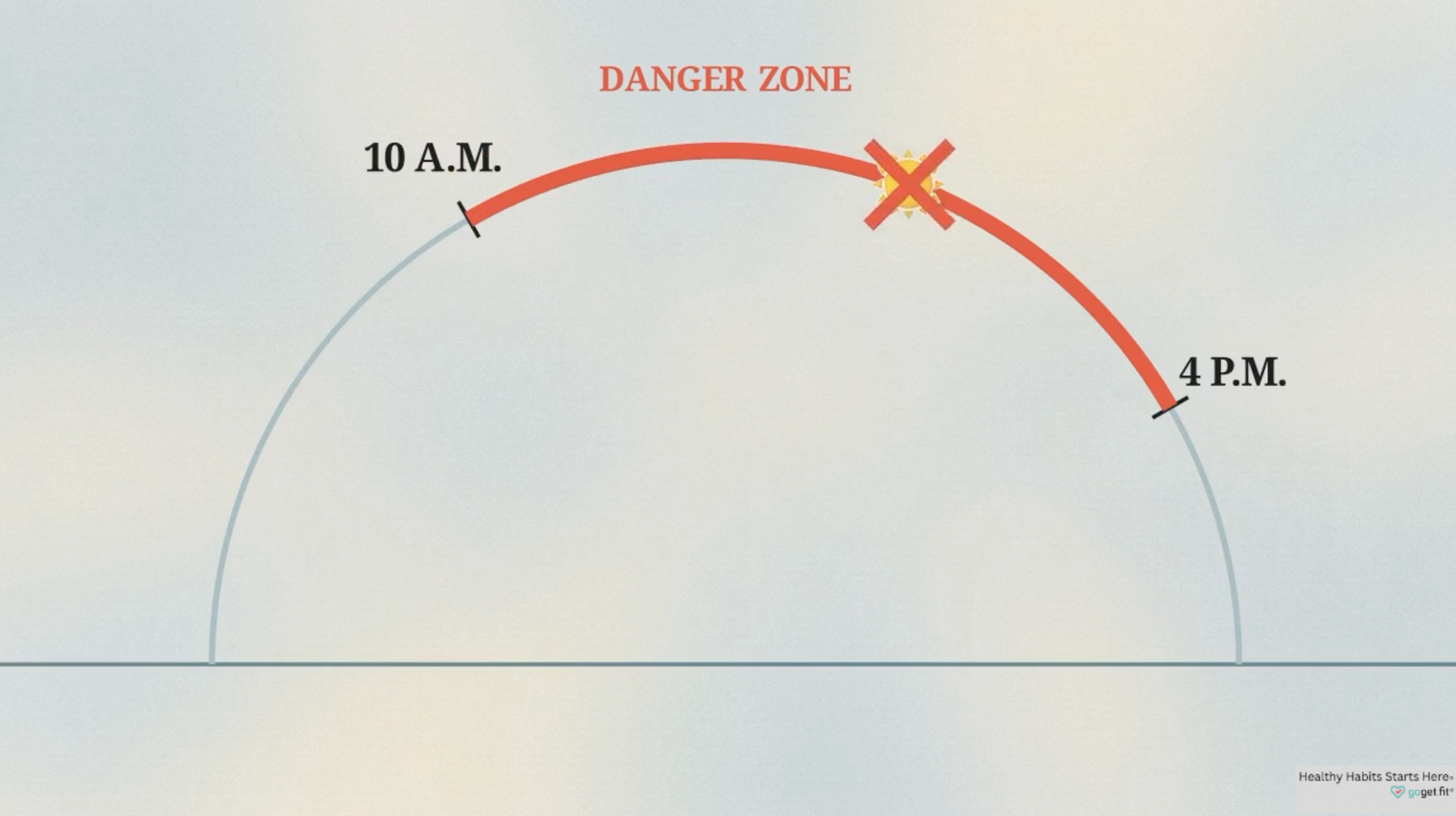
If you are exercising outdoors, choose early in the morning or later in the evening when temperatures are lower. Avoid strenuous activity between 10 a.m. and 4 p.m., when the sun is strongest.
Pro-tip: Confirm temperatures and humidity are much lower when you are planning to do an activity later evening or early morning.
Stay Hydrated
Hydration is essential before, during, and after exercise. Don't wait until you feel thirsty. Thirst is already a sign that dehydration has begun. Water is usually the best and least expensive choice. A sports drink may be helpful during prolonged or vigorous activity with heavy sweating, but it is not necessary for most shorter or lighter activities.
Pro-tip: When it is hotter and/or humid, I drink cold water from my rehydration system every 30-minutes.
Adjust Your Workout
Extreme heat is not the time to chase personal bests. Reduce your workout intensity, shorten your sessions, and take frequent rest breaks in the shade. Listen to your body and accept that your performance may not match what you're capable of in cooler weather.
Pro-tip: “Extreme heat and/or extreme humidity → be extremely careful and go extremely slow.
Dress for the Weather
Wear lightweight, loose-fitting, light-coloured clothing made from breathable fabrics. No cotton. Apply broad-spectrum sunscreen and, when possible, seek shaded areas to reduce direct sun exposure.
Cool Down Effectively
If you become overheated, cool your body with cold water. Immersing your hands or forearms in cool water or pouring water over yourself is often more effective than using an ice pack on one small area.
Pre-cooling with icy water before exercising is NOT recommended.
Allow Time to Adapt
If you're beginning to exercise in hot weather, increase your activity gradually over one to two weeks. This process, known as heat acclimatization, helps your body sweat more efficiently, lowers your resting core temperature, and improves your ability to handle heat.
Know the Warning Signs
Heat-related illnesses can develop quickly, often faster than people realize. Pay attention to the earliest warning signs and stop exercising immediately if they develop. Waiting to "push through" symptoms can allow heat exhaustion to progress rapidly.
Early warning signs include:
Dizziness or light-headedness
Excessive fatigue or unusual weakness
Muscle cramps
Headache
Difficulty concentrating
Rapid heartbeat
Nausea or vomiting
Confusion (Immediately cool. Seek medical attention)
Fainting or collapsing. (Immediately cool. Seek medical attention)
Heat exhaustion is the most common heat-related illness during exercise. If left untreated, it can progress to heat stroke, a life-threatening medical emergency that requires immediate treatment.
What to Do If Someone Has Heat Exhaustion
If you or someone else develops symptoms of heat exhaustion:
Call emergency services immediately and begin cooling the person:
Stop exercising immediately.
Move to a cool, shaded, or preferably an air-conditioned area.
Remove excess clothing or equipment.
Cool the body with water, cool towels, or a fan.
Drink water or a sports drink if the person is alert and not nauseated.
Heat Stroke = Emergency
Confusion, unusual behaviour, difficulty walking, fainting, collapse, seizure, or loss of consciousness may indicate heatstroke. Call emergency services immediately and begin cooling the person. Do not give fluids to someone who is confused, vomiting repeatedly, or not fully alert.
Stay Active… Safely
Exercise remains one of the best things you can do for your health, even during the summer. During a heatwave, however, choosing an indoor, air-conditioned environment is often the safest and smartest option. If you do exercise outdoors, respect the heat, stay well hydrated, adjust your workout, and never ignore the early warning signs that your body is overheating.
When temperatures rise, remember: it's okay to slow down, move indoors, or postpone your workout. Your body will thank you.
Again, during a heatwave, the safest place to exercise is indoors in a well air-conditioned environment.
References:
Healthdirect Australia. (2024, January 11). How to take care of yourself in a heatwave. https://www.healthdirect.gov.au/blog/how-to-handle-the-heatwave
Healthdirect Australia. (2025). Hot weather risks and staying cool. https://www.healthdirect.gov.au/hot-weather-risks-and-staying-cool
Health Canada. (2025). Heat and your health. https://www.canada.ca/en/health-canada/services/sun-safety/extreme-heat-heat-waves.html
Harvard Health Publishing. (2024). Exercise wisely in hot weather. Harvard Medical School. https://www.health.harvard.edu
Mayo Clinic. (2023, August 31). Aerobic exercise: How to warm up and cool down. https://www.mayoclinic.org/healthy-lifestyle/fitness/in-depth/exercise/art-20045517
Mayo Clinic Health System. (2020). Keep your cool while exercising in the heat. https://www.mayoclinichealthsystem.org/hometown-health/speaking-of-health/keep-your-cool-while-exercising-in-the-heat
U.S. Centers for Disease Control and Prevention. (2024). Heat and exercise. https://www.cdc.gov/heat-health/about/exercise.html
U.S. Centers for Disease Control and Prevention. (2024). About heat and your health. https://www.cdc.gov/heat-health
World Health Organization. (2024). Heat and health. https://www.who.int/news-room/fact-sheets/detail/climate-change-heat-and-health