
Forest Bathing
Why Simply Being in Nature May Be One of the Most Powerful Health Interventions We Have Forgotten
Reviewed by GoGet.Fit Content Development Team
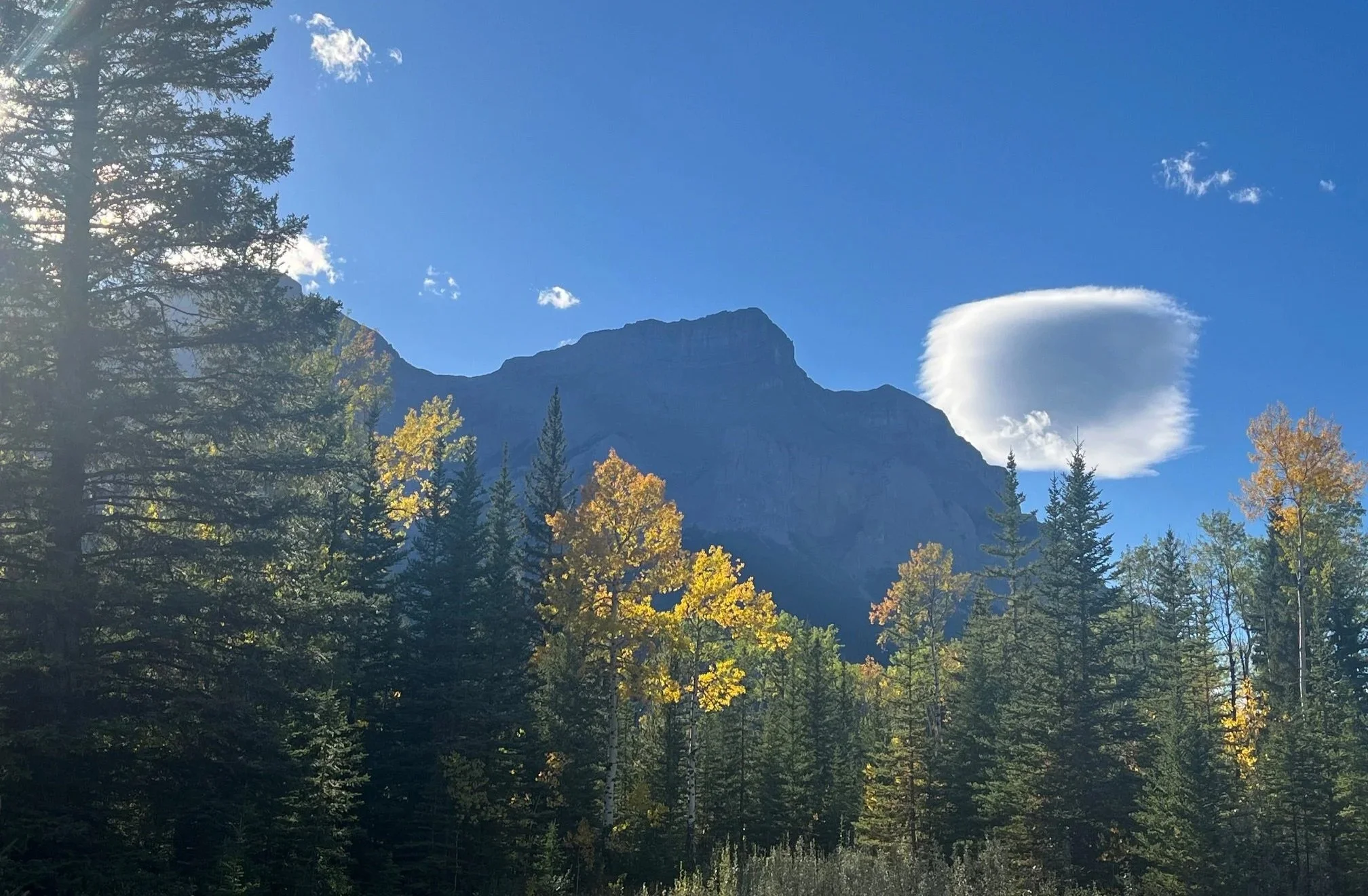
For as long as I can remember, I have been drawn outside. Most people who know me know that part of me well. If there was an opportunity to be in nature, I was there. Surfing quietly beyond the break, feeling the gentle pulse of the ocean rolling beneath the board. Cross country skiing through silent forests under fresh snow and cold air. Mountain biking, hiking, climbing, moving through trails and mountains surrounded by more shades of green than the mind could ever fully name or capture. And always, always aware of the details. The smell of wet earth after rain. Wind moving through trees. The sudden call of a bird somewhere beyond sight. Sunlight flickering through leaves. The feeling of cool air filling the lungs. The kinesthetic rhythm of movement through natural spaces.
Looking back now, I realize I was not simply “being active.” I was immersing myself in something profoundly regulatory and restorative, although I did not yet understand the physiology behind it. I just knew I felt better out there. Calmer. Lighter. More alive. More connected. Nature never felt like an “intervention” to me. It felt like where I was supposed to be. A place that reminded me, quietly but deeply, that we are only here for a brief moment and this is how life was meant to be lived, moving, sensing, breathing, immersed in the living world around us. There was also something deeper that I could never quite explain, a feeling of travelling through landscapes my ancestors once moved through long before roads, screens, buildings, and modern noise disconnected us from them.
Shinrin Yoku - Understanding the Nature Experience
Several years ago, while reading through emerging literature on stress physiology and chronic disease, I came across a concept from Japan called shinrin yoku, or “forest bathing.” At first glance, it sounded almost overly simplistic. Walking quietly through trees. Slowing down. Breathing forest air. Listening to birds and wind movement. Yet the deeper I went into the research, the more something remarkable happened. The science began describing, piece by piece, many of the very sensations and restorative experiences I had spent much of my life feeling but never fully understanding. As a physician trained in acute care medicine, the realization was both fascinating and humbling. What I had always thought of simply as “loving the outdoors” was, in reality, interacting continuously with powerful physiological inputs shaping stress hormones, immune function, nervous system regulation, emotional recovery, and overall health in ways I had never fully appreciated.
And the deeper I went into the research, the clearer it became, the harder it became to dismiss. Over the last two decades, the science surrounding forest bathing has expanded remarkably. What started as a Japanese public health initiative in the 1980s has evolved into a legitimate area of physiological, psychological, and immunological investigation. And increasingly, the findings point in the same direction: humans appear biologically calmer, physiologically healthier, and emotionally steadier when immersed in natural environments.
That should perhaps not surprise us as much as it does. For thousands of years, humans lived with and in the outdoors. The nervous system, immune system, circadian rhythms, stress responses, sensory pathways, and movement patterns that govern our biology all developed within natural environments. Not disconnected but deeply connected and dependent. Then, in what amounts to a blink of an eye, modern life shifted us indoors under artificial lighting, constant stimulation, traffic noise, screens, cognitive overload, and prolonged sedentary behavior. Most individuals now spend more than 90 percent of their lives inside buildings and vehicles.
Forest bathing research asks a deceptively simple question: what happens when the body returns, even briefly, to the environment it evolved within?
The answer appears increasingly profound. One of the most consistent findings involves the autonomic nervous system, the system regulating stress responses, recovery, heart rate, blood pressure, breathing, digestion, and physiological calm. Multiple studies comparing urban environments with forest environments demonstrate measurable reductions in heart rate, blood pressure, cortisol levels, sympathetic nervous system activity, and inflammatory stress markers during and after forest exposure. At the same time, parasympathetic activity, the “rest and recover” side of the nervous system, increases significantly.
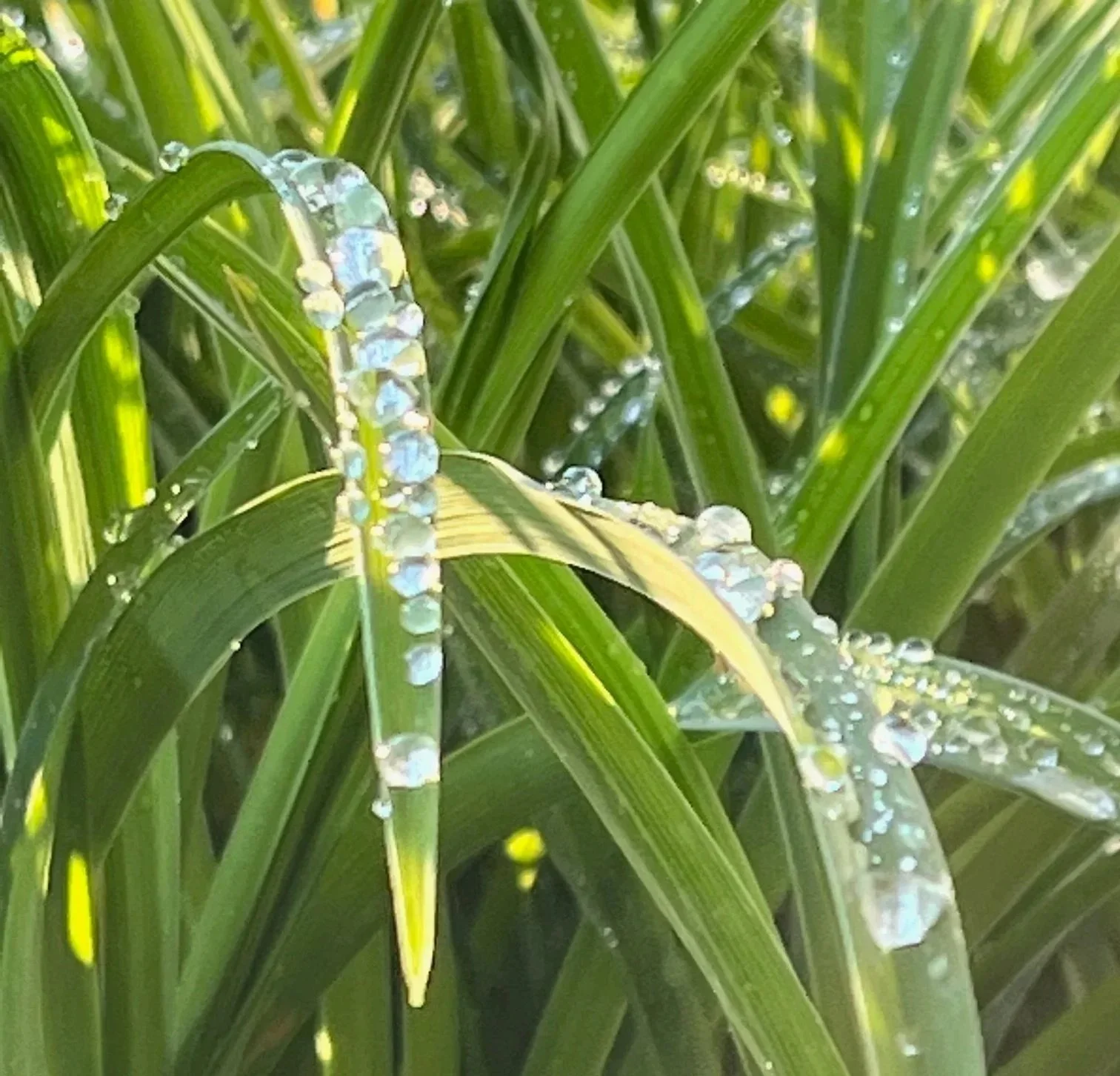
In natural surroundings, simply put, the body shifts out of chronic vigilance.
This matters far more than many realize. Modern chronic disease is deeply intertwined with sustained physiological stress activation. Persistently elevated cortisol and sympathetic activation influence inflammation, sleep disruption, insulin resistance, immune dysregulation, fatigue, anxiety, depression, and impaired recovery. Increasingly, medicine recognizes that chronic disease is not simply a collection of isolated organ problems, but often a systems level disruption involving stress biology, immune signaling, metabolism, sleep, movement, and emotional regulation all interacting together.
The Research
Forest bathing appears to positively influence many of these systems simultaneously. Some of the most fascinating work has come from Dr. Qing Li and colleagues in Japan. Their research demonstrated that spending time in forest environments significantly increased natural killer (NK) cell activity in humans. NK cells are critical components of the innate immune system involved in identifying and destroying virally infected and potentially malignant cells. Following forest exposure, participants demonstrated increased NK cell number and activity, alongside increased expression of anti cancer proteins such as perforin, granulysin, and granzymes.
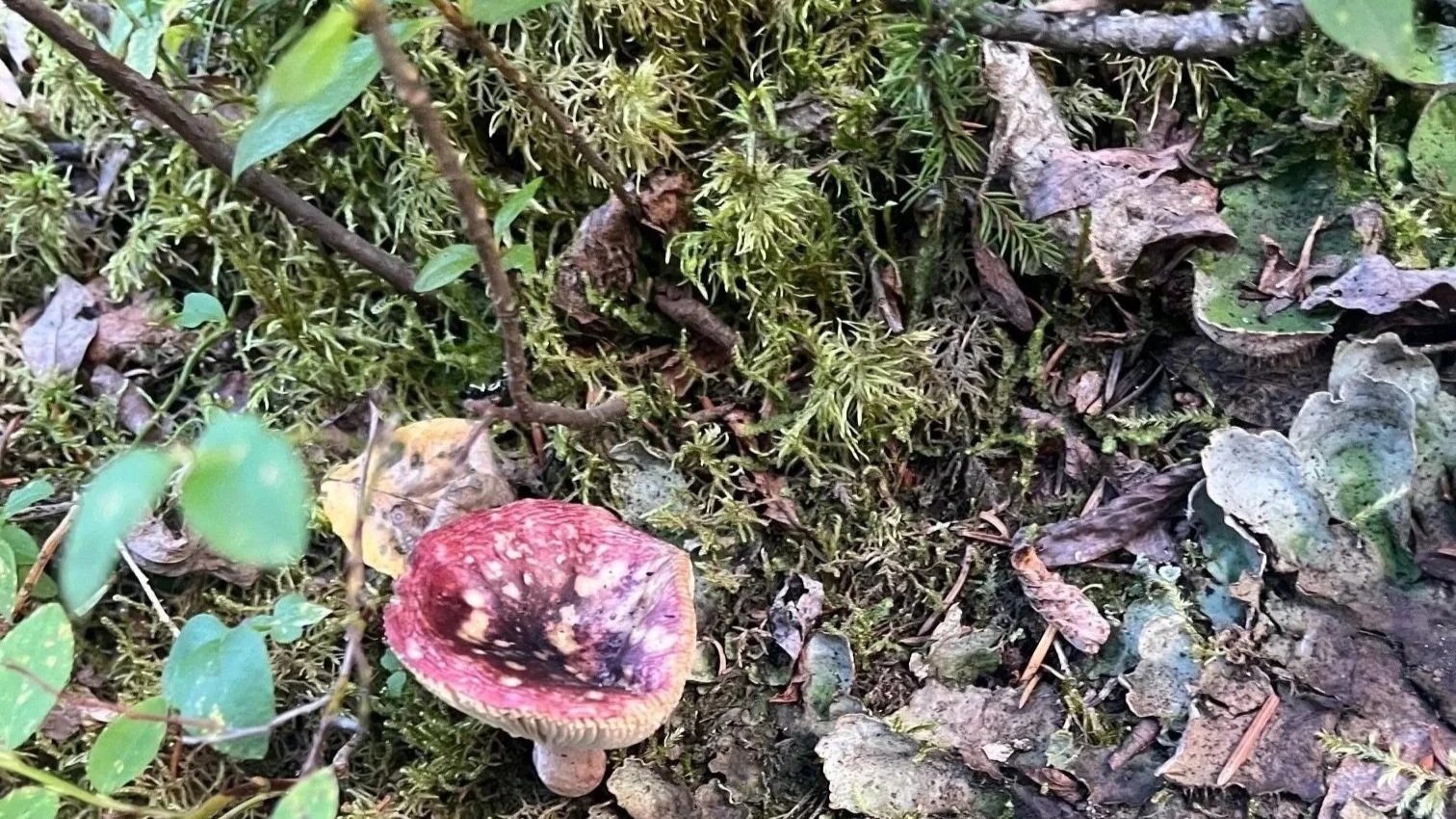
Remarkably, some of these effects persisted for weeks after exposure. Researchers are coming to realize one central contributing factor may involve phytoncides, biologically active airborne compounds released by trees and plants. Forest air is chemically different from urban air. Trees release volatile organic compounds that appear capable of influencing immune function and stress physiology in humans. Laboratory studies suggest some phytoncides may enhance NK cell activity directly, while forest environments simultaneously reduce stress hormones known to suppress immune performance.
It is a remarkable reminder that humans are not biologically separate from nature. We are immersed within it. But the physiological story is only part of what makes forest bathing compelling.
The psychological and emotional effects may be equally important, particularly in modern society. Study after study demonstrates reductions in anxiety, tension, depression, anger, mental fatigue, and emotional exhaustion following nature immersion. Cognitive restoration theory proposes that natural environments allow the brain’s directed attention systems to recover from prolonged overload. In urban environments, the brain is continuously filtering noise, traffic, screens, alerts, and cognitive demands. Forest environments appear to quiet that hypervigilance. People often describe the experience similarly. Their breathing slows. Their thoughts quiet. They feel mentally clearer. Emotionally lighter. Less “wired.”
Interestingly, fMRI brain imaging studies increasingly support this subjective experience. Exposure to natural environments has been associated with reduced activity in brain regions linked to rumination and stress related thought patterns. Other studies suggest improvements in working memory, concentration, emotional regulation, and overall psychological resilience.
Survivorship and Medical Disabilities
This becomes particularly meaningful when viewed through the lens of cancer survivorship. Cancer survivorship is often misunderstood by individuals outside oncology. The public narrative frequently ends with remission or completion of treatment. But survivorship is often physically and emotionally complex long after chemotherapy, radiation, surgery, or immunotherapy ends. Many survivors continue struggling with fatigue, disrupted sleep, anxiety, emotional distress, deconditioning, fear of recurrence, depression, cognitive fog, social withdrawal, and persistent stress physiology.
Increasingly, survivorship medicine recognizes that healing extends beyond tumour control alone. Quality of life matters. Emotional recovery matters. Sleep matters. Movement confidence matters. Stress physiology matters. Rebuilding a sense of safety within one’s own body matters.
This is where nature based interventions are attracting increasing scientific attention. Several recent reviews examining forest therapy and green space exposure among cancer survivors have reported improvements in emotional well being, sleep quality, fatigue, mood, and perceived quality of life. Survivors themselves frequently identify natural environments as emotionally restorative spaces where they feel calmer, less overwhelmed, and more connected to life outside illness.
The Soft Fascination
One particularly interesting concept emerging within the literature is that forest environments may create what researchers call a “soft fascination” Unlike the hard cognitive demands of urban environments, forests gently engage attention without overwhelming it. Sunlight through leaves, bird movement, flowing water, shifting wind patterns, and natural textures quietly hold awareness while simultaneously allowing mental recovery.
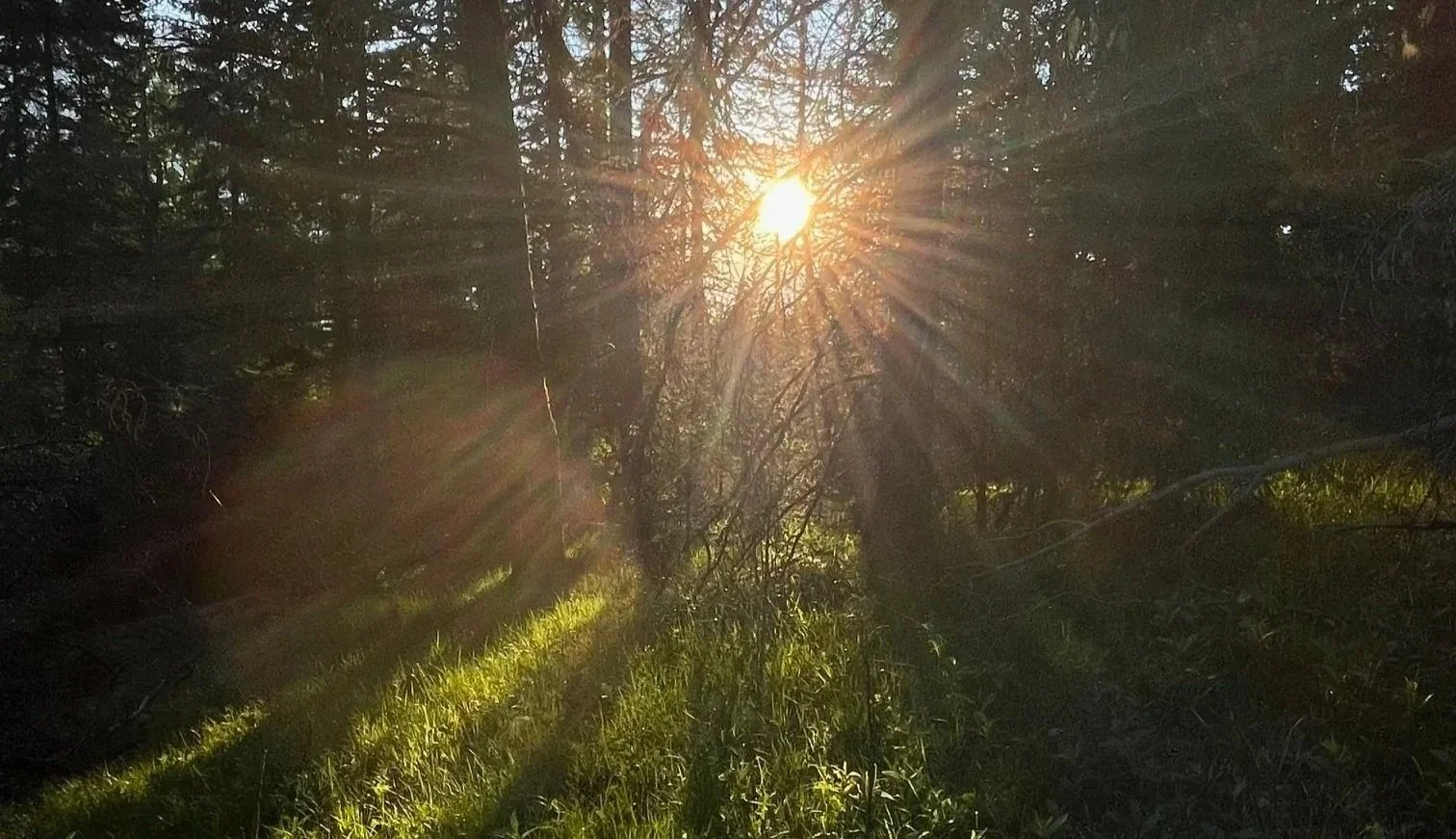
In essence, forests create the opposite physiology of modern digital life.
In closing…
Importantly, forest bathing is not being presented as a cure for cancer or other diseases, nor should it be. The science does not support exaggerated claims. Rather, the growing evidence suggests forest exposure may positively influence many of the biological and psychological systems commonly disrupted by cancer and chronic disease. And perhaps that is powerful enough on its own.
What also makes forest bathing compelling is its accessibility. It does not require elite fitness. It does not require expensive equipment. It does not require athletic ability. In many cases, simply slowing down and intentionally spending time immersed in natural environments appears beneficial. Some studies suggest that mindful sensory engagement may matter as much, or more, than physical exertion itself. That may be particularly important for individuals early in recovery, older adults, or those navigating fatigue and chronic illness.
Perhaps the deeper lesson within forest bathing research is this: human physiology appears to respond positively when we step away from chronic overstimulation and reconnect with environments that biologically feel safe, rhythmic, sensory rich, and restorative.
Modern medicine has become extraordinarily sophisticated in treating disease. But forest bathing research reminds us that health is also deeply influenced by environment, stress physiology, movement, sensory experience, emotional regulation, social connection, and our relationship with the natural world itself.
Sometimes the body may not only need treatment.
Sometimes it may just need trees.
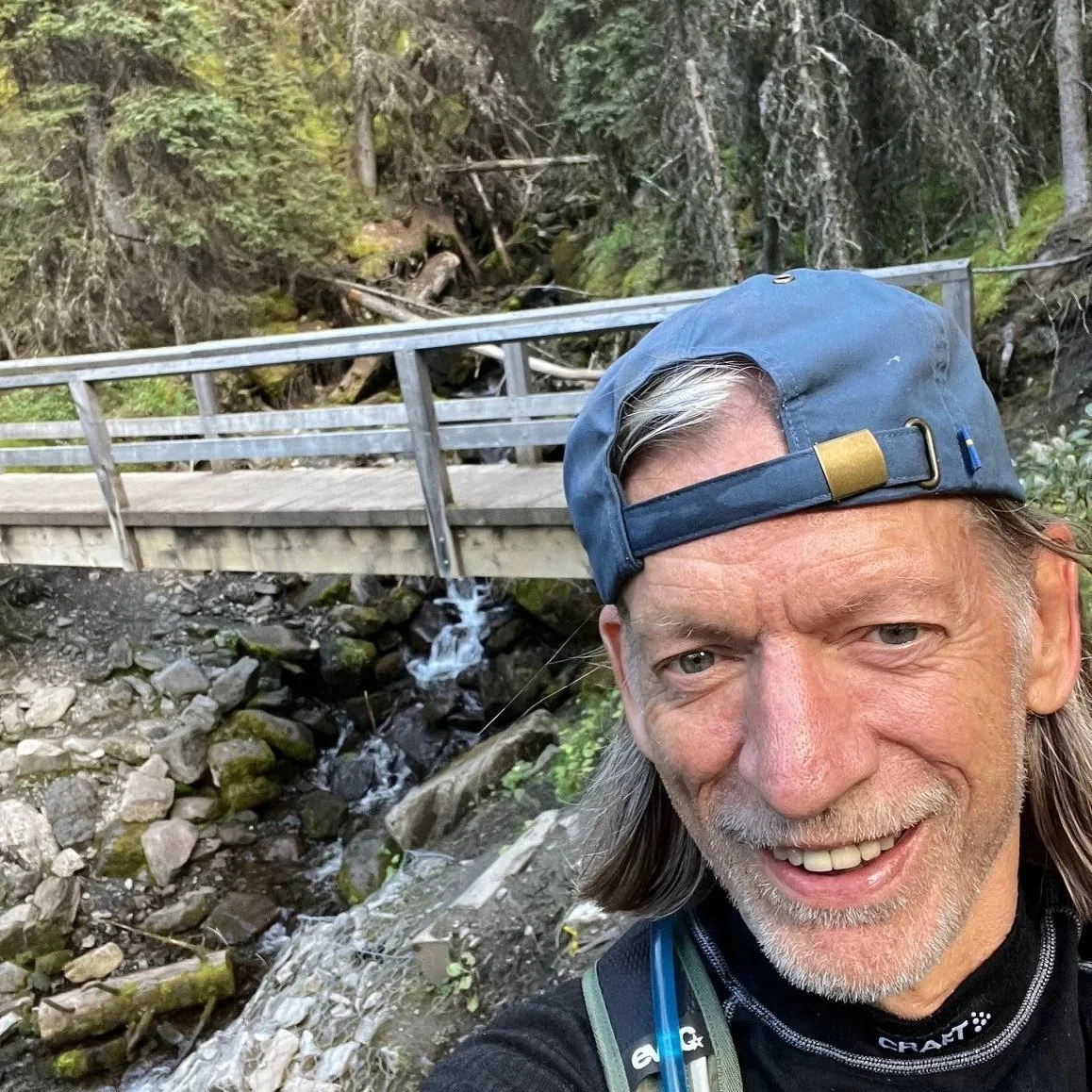
Peter Rawlek is an emergency physician, educator, and lifelong outdoors person whose connection to nature has unfolded through surfing, cross country skiing, hiking, climbing, and mountain biking. Years spent immersed in forests, mountains, and oceans gradually deepened his interest in the restorative science behind forest bathing and natural environments
The Research:
Foundational Forest Bathing and Shinrin Yoku Research
These papers are a sampling of the research that helped establish the physiological and psychological science behind forest bathing, particularly autonomic nervous system regulation, stress reduction, immune modulation, and overall health effects. Enjoy…
Li, Q., Kobayashi, M., Wakayama, Y., Inagaki, H., Katsumata, M., Hirata, Y., Hirata, K., Shimizu, T., Kawada, T., Ohira, T., Kagawa, T., & Miyazaki, Y. (2009). Effect of phytoncide from trees on human natural killer cell function. International Journal of Immunopathology and Pharmacology, 22(4), 951–959.
Li, Q. (2010). Effect of forest bathing trips on human immune function. Environmental Health and Preventive Medicine, 15(1), 9–17. https://doi.org/10.1007/s12199-008-0068-3
Li, Q., Morimoto, K., Kobayashi, M., Inagaki, H., Katsumata, M., Hirata, Y., Hirata, K., Suzuki, H., Li, Y. J., Wakayama, Y., Kawada, T., Park, B. J., Ohira, T., Kagawa, T., & Miyazaki, Y. (2008). Visiting a forest, but not a city, increases human natural killer activity and expression of anti cancer proteins. International Journal of Immunopathology and Pharmacology, 21(1), 117–127.
Park, B. J., Tsunetsugu, Y., Kasetani, T., Kagawa, T., & Miyazaki, Y. (2010). The physiological effects of shinrin yoku (taking in the forest atmosphere or forest bathing): Evidence from field experiments in 24 forests across Japan. Environmental Health and Preventive Medicine, 15(1), 18–26.
Hansen, M. M., Jones, R., & Tocchini, K. (2017). Shinrin yoku (forest bathing) and nature therapy: A state-of-the-art review. International Journal of Environmental Research and Public Health, 14(8), 851.
Kamioka, H., Tsutani, K., Mutoh, Y., Honda, T., Shiozawa, N., Okada, S., Park, S. J., Kitayuguchi, J., Kamada, M., Okuizumi, H., Handa, S., Okada, S., & Iiyama, J. (2012). A systematic review of randomized controlled trials on curative effects of forest therapy. Psychology Research and Behavior Management, 5, 85–95.
Forest Bathing, Stress Physiology, and Mental Health
These studies focus on cortisol regulation, autonomic nervous system balance, mood, emotional regulation, anxiety, depression, cognitive restoration, and psychological well being.
Antonelli, M., Barbieri, G., & Donelli, D. (2019). Effects of forest bathing (shinrin yoku) on levels of cortisol as a stress biomarker: A systematic review and meta-analysis. International Journal of Biometeorology, 63(8), 1117–1134.
Twohig-Bennett, C., & Jones, A. (2018). The health benefits of the great outdoors: A systematic review and meta-analysis of greenspace exposure and health outcomes. Environmental Research, 166, 628–637.
Bowler, D. E., Buyung-Ali, L. M., Knight, T. M., & Pullin, A. S. (2010). A systematic review of evidence for the added benefits to health of exposure to natural environments. BMC Public Health, 10, 456.
Bratman, G. N., Hamilton, J. P., Hahn, K. S., Daily, G. C., & Gross, J. J. (2015). Nature experience reduces rumination and subgenual prefrontal cortex activation. Proceedings of the National Academy of Sciences, 112(28), 8567–8572.
Berman, M. G., Jonides, J., & Kaplan, S. (2008). The cognitive benefits of interacting with nature. Psychological Science, 19(12), 1207–1212.
Oh, B., Lee, K. J., Zaslawski, C., Yeung, A., Rosenthal, D., Larkey, L., & Back, M. (2017). Health and well-being benefits of spending time in forests: Systematic review. Environmental Health and Preventive Medicine, 22(1), 71.
Forest Bathing and Immune Function
These papers specifically examine immune modulation, inflammatory pathways, natural killer cells, cytokines, and anti cancer protein expression.
Tsao, T. M., Tsai, M. J., Hwang, J. S., Cheng, W. F., Wu, C. F., Chou, C. C., Su, T. C., & Tsai, P. S. (2018). Health effects of a forest environment on natural killer cells in humans: An observational pilot study. Oncotarget, 9(23), 16501–16511.
Kim, H., Lee, Y. W., Ju, H. J., Jang, B. J., & Wang, Y. (2020). An exploratory study on the effects of forest environments on immune function. Urban Forestry & Urban Greening, 49, 126630.
Chae, Y., Park, S. J., Jo, H., Kang, S., & Lee, G. (2021). The effects of forest therapy on immune function. International Journal of Environmental Research and Public Health, 18(16), 8440.
Forest Bathing and Improved Disease Outcome
These papers are especially relevant to oncology, survivorship, fatigue, emotional recovery, quality of life, and supportive care.
Olson, E. R. T., Lubans, D. R., & Nathan, N. K. (2023). Nature-based interventions and exposure among cancer survivors: A scoping review. Supportive Care in Cancer, 31(2), 115.
Blaschke, S. (2017). The experience of nature in cancer care. Social Science & Medicine, 191, 51–60.
Quah, A., Fransen, K., & O’Connor, M. (2024). Nature exposure and restorative experiences in individuals coping with cancer. Journal of Outdoor and Environmental Education, 27(1), 45–61.
Baek, S. Y., Lee, H., & Kim, J. (2025). Effectiveness of an urban forest healing program for improving sleep and well-being among cancer survivors. Urban Forestry & Urban Greening, 102, 128324.
Zhao, J., Chen, X., Wang, Y., & Li, H. (2026). Residential green space exposure and depression risk among cancer survivors. Nature Communications, 17, 70393.
James, P., Banay, R. F., Hart, J. E., & Laden, F. (2015). A review of the health benefits of greenness. Current Epidemiology Reports, 2(2), 131–142.
Fortin, É., et al. (2025). The impact of nature-based interventions on physical chronic disease outcomes. Rehabilitation Sciences, 5(3), 35.
Green Time, Long-Term Health & Mental Health and Well-being Outcomes
These papers broaden the discussion beyond mental health alone and examine cardiovascular disease, metabolic disease, inflammation, mortality, and chronic disease outcomes associated with green space exposure.
Zhou, X., Yu, Z., Yuan, M., & Wang, L. (2024). Exposure to green space and mortality outcomes: A systematic review and meta-analysis. Sustainable Cities and Society, 101, 105103.
Kondo, M. C., Jacoby, S. F., & South, E. C. (2018). Does spending time outdoors reduce stress? A review of real-time stress response to outdoor environments. Health & Place, 51, 136–150.
Frumkin, H., Bratman, G. N., Breslow, S. J., Cochran, B., Kahn, P. H., Jr., Lawler, J. J., Levin, P. S., Tandon, P. S., Varanasi, U., Wolf, K. L., & Wood, S. A. (2017). Nature contact and human health: A research agenda. Environmental Health Perspectives, 125(7), 075001.
White, M. P., Alcock, I., Grellier, J., Wheeler, B. W., Hartig, T., Warber, S. L., Bone, A., Depledge, M. H., & Fleming, L. E. (2019). Spending at least 120 minutes a week in nature is associated with good health and well-being. Scientific Reports, 9, 7730.