
Small Habits, Strong Minds
How Energy Is Built, Not Forced
We often start back after a break with some personal goals, healthy ambitions, the challenge is commonly it is as if it were a sprint, trying to become a “better version” of ourselves. We stack expectations, push harder, and aim high, only to feel worn down before we feel successful. Lasting productivity and mental strength are not created through dramatic resets. They are built quietly, being sensitive and intentional through the everyday choices, those small ones, the triad of health that are and shape us by how we fuel, move, and rest our bodies.
Strong days are rarely about doing more. They are about having enough energy and clarity to focus on what matters. That energy does not come from willpower alone. Strong successful days come from a sprinkling of small habits that ask very little of us, yet return a great deal. When we focus on low-demand, high-return habits, we protect our mental bandwidth, reduce burnout, and create space for progress that can actually last.
The Power of the Bookends
It All Starts With How You Start and Finish
What often shapes a day is not what happens in the middle, but how the day begins and how it ends. The direction of your day is set before your feet hit the floor, and it is reinforced by how you choose to wind down at night.
A rushed start pulls the nervous system into stress. A steady start restores a sense of control. In the same way, an intentional wind-down signals safety, allowing the body and mind to recover for the next day. This does not require a perfect routine. It requires a simple one you can return to consistently.
Two quiet questions guide this process:
How do I intend to start today?
How do I leave the day behind?
Your answers help shape the habits that follow.
Fuel That Sustains
Eating for Steady Energy
Each meal, the contents, and how you set up to partake in it, sends a signal to your brain, either helping steady your energy/mind or pulling it off course. Balanced nutrition supports more than physical health. It is a cornerstone of maintaining focus, emotional steadiness, and resilience across the day.
One of the simplest and most effective places to begin is the morning.
Daily Habit 1: Protein-First Mornings
Starting the day with protein and healthy fats (avacado?) helps reduce sharp blood sugar swings that will often show up as irritability,or the brain crash. Steadier fuel supply supports clearer thinking from having more consistent energy, especially during busy mornings at school.
This is not about eating perfectly. It is about choosing foods that help you feel steady rather than reactive.
It’s about progression not perfection
Movement That Builds Capacity
Consistency Over Intensity
Daily movement is the second cornerstone of healthy minds and spirits. The most powerful message to your nervous system is providing space to be active for a few minutes (saying, I matter!). It says, “I am alert. I am capable.” And it does not require a long workout or a complete change of routine.
You do not need intensity to benefit. You need consistency. A few minutes of purposeful movement, slightly heavier breathing, and a light sweat are enough to make a difference.
Daily Habit 2: 5–10 Minute Movement Breaks
Short movement breaks sprinkled throughout your day, such as a brisk walk, gentle mobility, or a few larger muscle exercises, reset you mentally and physically. These small doses of movement support brain areas involved in memory and emotional regulation, and the body metabolism, helping you return to tasks feeling more settled and focused.
Start small. Grow tall. Habits build upward.
One Choice at a Time
Why Small Goals Win
Your brain responds to trusting its environment. You have the greatest control over that through the small habits suggested above that you introduce to your brain every day. Consistency in these activities goes much deeper than how you feel, your brain rewires for consistency, it is greater than the belief that you will follow through on what you set out to do. Large goals often fall apart because they are vague or overwhelming. Small goals succeed because they are clear, specific, and achievable.
Daily Habit 3: Micro-Goals You Can Keep
Instead of aiming to “be more active,” choose something simpler, such as stretching for 10 minutes when school is out. Each time you follow through, even on a small commitment, a behavioral loop is built that is reinforced and is able to be used by other new habits. In the end you reinforce your identity as someone who prioritizes their health. Simple recognition does a lot. Schedule it, log it on your app
Over time, these small wins accumulate. Confidence grows.
Motivation follows action, not the other way around!
Start It This Week
Simple. Small. Repeatable.
Choose one habit to focus on this week:
Fuel: Add protein to breakfast on three mornings. (And one glass of water)
Move: Schedule one 5–10 minute movement break each day. (Week one one and week two try two every day)
Focus: Set one micro-goal with a clear time and place, and keep it all week. (SMART Goals)
Bookends: Decide how you will start your morning and how you will end your day, and repeat it.
Write it down. Schedule it. Pay attention to how it feels.
If having a bit of structure or encouragement helps, the GoGet.Fit (GGF) platform is available to support you. It offers a simple way to schedule habits, log progress, and receive gentle encouragement as you build routines on your terms.
This is not about comparison.
This is not about perfection.
This is about you and your journey.
Optional free support to get started:
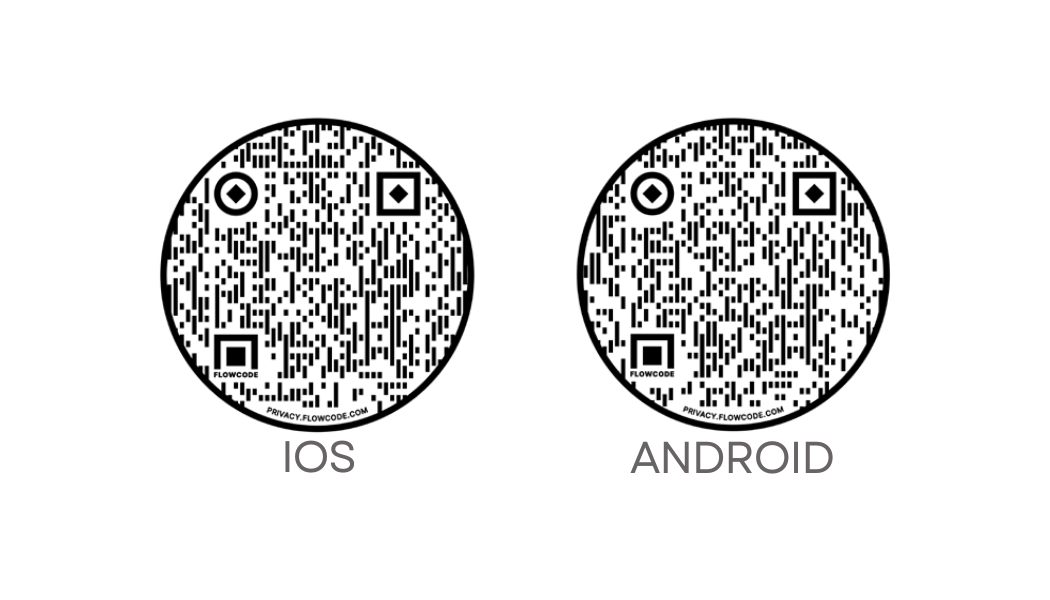
[Access code: VITAL]