

Resistance training is one of the most effective ways to help your body stay strong and capable throughout life.
It simply means asking your muscles to work a little harder than they normally do. Over time, your muscles respond by becoming stronger, making everyday activities feel easier.
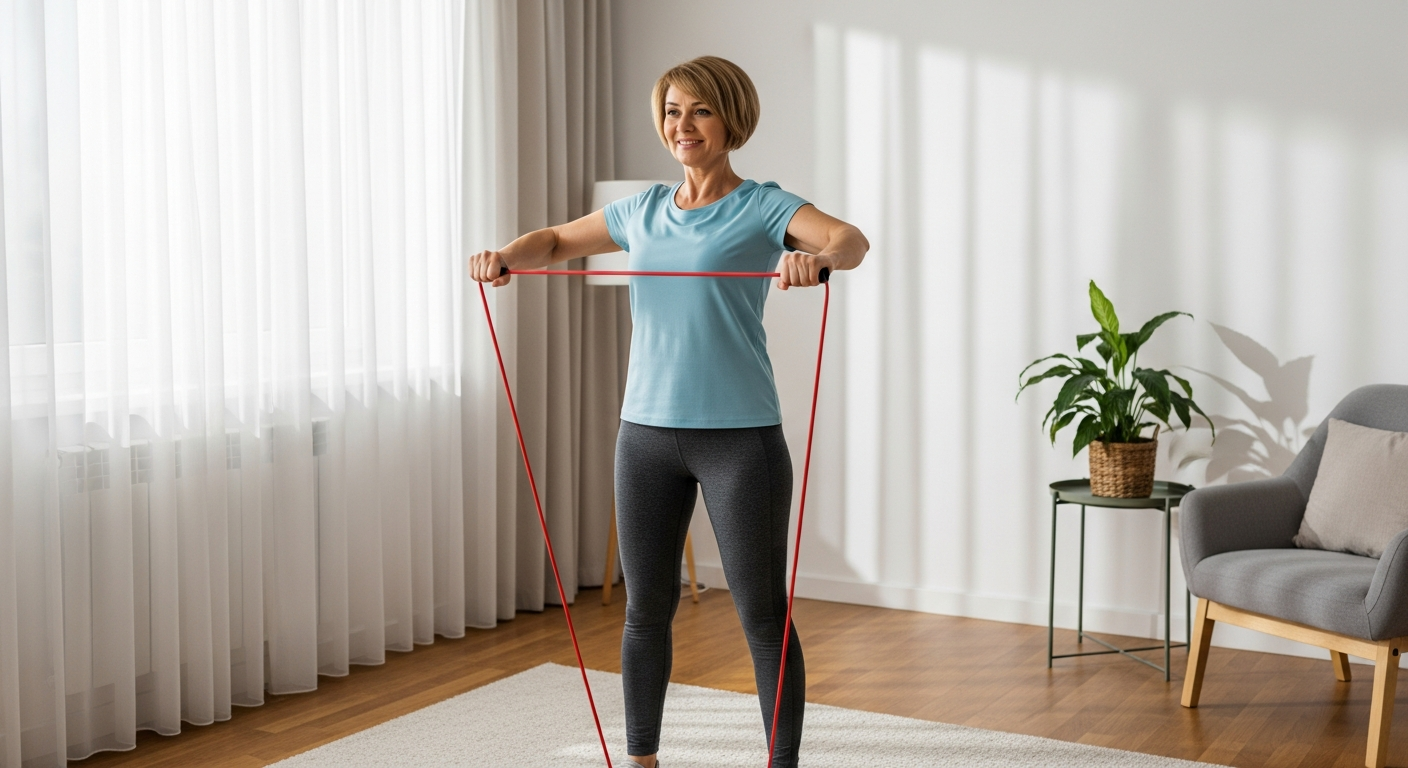
Resistance training can be done in many different ways. You might use light dumbbells, resistance bands, or simply your own body weight during movements such as squats, wall push-ups, or standing up from a chair.
The goal is not to become an athlete or spend hours exercising. The goal is very focused: to build a stronger body for everyday life.
A stronger body will gradually build back greater independence. You move with greater confidence, improve balance, and make daily tasks easier. It supports building healthier bones and joints as you age.
Getting Started
Small, consistent efforts add up. Over time, you may notice simple things becoming easier—climbing stairs, carrying groceries, getting up from a chair, or keeping up with the activities you enjoy.
Start where you are. Progress happens one step at a time.
It's about progression, not perfection.
Why Resistance Training Matters
Strength isn't just about building muscle. It's about creating a stronger, healthier body that supports your independence, well-being, and quality of life.
Your muscles do much more than help you move. They play an important role in your overall health and well-being.
Strong muscles make everyday activities easier. They help you climb stairs, carry groceries, get up from a chair, and stay active doing the things you enjoy. They also support your balance and stability, helping you move with greater confidence.
As we get older, we naturally lose muscle if we do not use it regularly. This can make everyday tasks feel more difficult over time. Resistance training helps slow this loss and can rebuild strength, helping you maintain your independence and quality of life.
Resistance training also supports your mental well-being. When muscles are active, they release natural chemicals that communicate with the brain. These chemicals can help improve mood, reduce stress, support healthy sleep, and contribute to an overall sense of well-being.
Strong muscles are also important during recovery. Whether you are preparing for surgery, recovering from surgery, illness, injury, or adapting to a new medical condition, maintaining and building strength helps your body cope with physical challenges and return to daily activities more quickly.
Start small. Stay consistent. Your future self will thank you.
Remember: A few minutes of muscle movement now can support your body's blood sugar management for hours afterward.
Move More. Live More. Trust the Impact.
A few minutes of focused muscle movement daily can change your life trajectory. Schedule it. Log it. Do it.

Did You Know?
Small amounts of movement can create powerful changes throughout your body and mind.
Your Muscles Help Manage Blood Sugar
After a meal, even a few minutes of movement can help your muscles pull sugar from your bloodstream and put it to work. A short walk, a few sit-to-stands from a chair, or a few minutes of resistance exercises will have benefits that last for hours afterward.
Your Muscles Communicate With Your Brain
When your muscles move, they do much more than create movement. They release natural chemical messengers, called myokines, that travel throughout your body and communicate with your brain.
These chemical messengers help activate pathways linked to improved mood, reduced stress, and a greater sense of well-being. This is one reason many people notice they feel better after even a short period of activity.
A few minutes of movement today can benefit both your body and your mind.
Movement Helps Your Brain Too
Movement does not just help your muscles. It helps your brain too.
When your muscles are active, they release chemical messengers that support brain function. These signals help strengthen connections between brain cells and support learning, memory, and recall. Researchers now recognize that regular movement is one of the most powerful ways to support long-term brain health.
Every movement session is also a brain training session.
Getting Started Tips
The good news is that resistance training is for everyone. It is never too late to start, and you do not need to do a lot to begin seeing benefits.
Here are a few simple tips to help you exercise safely and confidently:
Start With a Warm-Up
Before exercising, spend 5 to 10 minutes moving at an easy pace. A comfortable walk is a great way to prepare your muscles and joints for activity.
Move Slowly & With Control
Focus on good technique rather than speed. Lift the weight or resistance to a count of 2 and lower it to a count of 3. Slow, controlled movements help reduce the risk of injury.
Remember to Breathe
Breathe normally throughout each exercise. Avoid holding your breath, as this can increase blood pressure.
Take Short Rests
Rest for about 30 to 60 seconds between exercises. Listen to your body and take a little longer if needed.
Finish With a Cool-Down
When you are done, spend 5 to 10 minutes moving at an easy pace and gently stretching.
⚠️ Safety First - Stop and seek advice if something does not feel right.
Stop exercising and contact your healthcare or exercise team if you experience chest discomfort, dizziness, unusual shortness of breath, signs of low blood sugar, or pain that concerns you.
Track Your Progress
Record your activities in the GoGet.Fit app
Small steps add up, and tracking your progress is a great way to see how far you have come.
Remember, this is not about doing everything perfectly. It is about starting where you are and building strength one step at a time.
Consistency Beats Intensity
Consistency beats intensity. Small efforts, repeated over time, create lasting results.
Before You Begin
Resistance training is safe and beneficial for most people. However, if you have a medical condition, recent injury, recent surgery, concerns about exercise, or are unsure where to begin, we recommend speaking with your healthcare professional before starting a new exercise program.
Your healthcare team can help determine the most appropriate activities for your individual needs and ensure you exercise safely and confidently.
Arm Strength Training
Strong arms make everyday activities easier and help you maintain independence,
confidence, and quality of life.
Why Is Arm Training Important?
Your arms play a role in almost every daily activity. From carrying groceries and lifting household items to opening doors and getting up from a chair, arm strength helps you stay active and independent.
Regular arm exercises help maintain muscle mass, improve joint stability, support healthy posture, and make everyday tasks feel easier and less tiring.
Carry Everyday Items
Make carrying groceries, bags, and household items easier.
Maintain Muscle Strength
Help slow age-related muscle loss and maintain independence.
Support Daily Activities
Improve your ability to perform common household tasks.
Build Confidence
Feel stronger and more capable in everyday life.
Stronger Arms. Easier Living.
Small, consistent efforts can help build the strength needed for everyday activities and support long-term independence.
Arm Exercise Videos
Leg Strength Training
Strong legs are the foundation of movement.
They support balance, mobility, and independence in everyday life.
Why Leg Strength Matters
Your legs carry you through every step of your day - walking, standing, climbing stairs, and getting up from a chair all depend on lower-body strength.
Strengthening your legs improves balance, reduces fall risk, supports joint health, and helps maintain independence as you age.
Improve Walking Ability
Move with greater ease and stability.
Stand with Ease
Make getting up from chairs easier and safer.
Support Joints
Reduce stress on knees and hips.
Build Strength
Maintain independence and confidence.
Strong Legs = Strong Foundation
Consistent lower-body training improves mobility, stability, and long-term independence.
Leg Exercise Videos
Healthy Habits Start Here ©
© 2026 GoGet.Fit. All Rights Reserved.
Your health is important to us. Small, consistent habits can lead to meaningful long-term improvements in strength, mobility, and overall well-being.
If you have any questions about starting or changing your exercise routine, please consult your healthcare professional before making any significant changes.