

While You Sleep, Your Brain Gets to Work
Written By GoGet.Fit Content Development Team
You go to bed. Lights out. Eyes closed. From the outside, this may look like the least productive part of your entire day. You are just lying there. Nothing to see here. Except inside your brain, the night shift has started.
Sleep is not eight hours of your brain doing the same thing. Your brain moves through repeating sleep cycles, including different stages of non-REM sleep and REM sleep. Earlier in the night, you usually spend more time in deep sleep. As morning gets closer, periods of REM sleep become longer. Dreaming is common during REM. Your brain uses these different parts of the night to do some pretty important work.
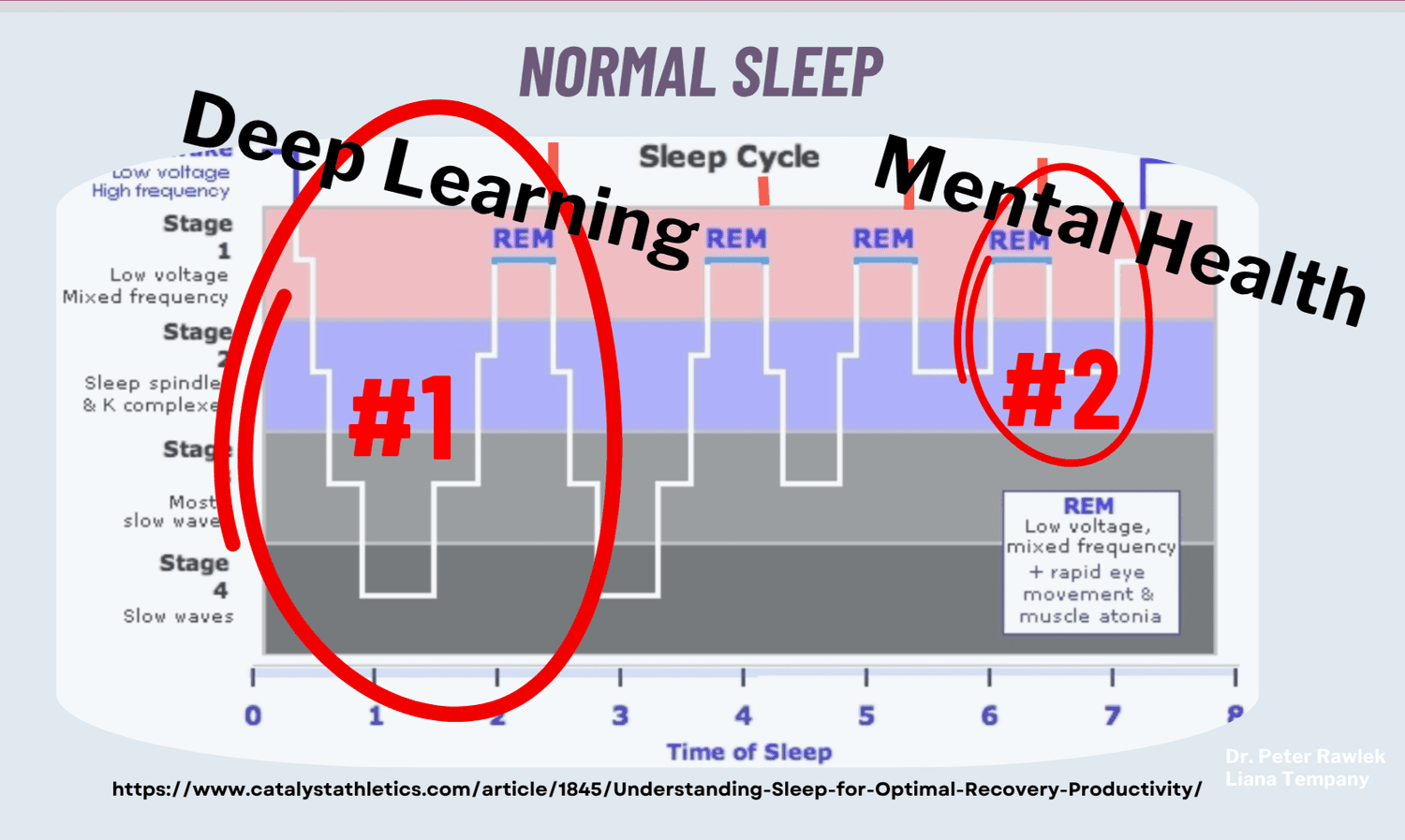
The Night: Then things Change, REM sleep…
As the night continues, the pattern of your sleep changes. Deep sleep becomes less dominant and periods of REM sleep usually become longer, especially later in the night and toward morning. REM stands for rapid eye movement because your eyes actually move beneath your eyelids while you are asleep. Your brain is still busy. REM sleep is involved in memory and emotional processing, and think about how much emotional stuff your brain collected today. Someone annoyed you. Something embarrassed you. Something went really well. Maybe nothing dramatic happened at all, but your brain still spent the day dealing with people, problems, surprises, disappointment, excitement and stress.
Sleep gives your brain time to work with all of that too.
First Job: Make Today's Learning Last
Think about everything your brain dealt with today. Math. Instructions. Conversations. Something you read. A new skill in the gym. Where you left your water bottle, although apparently that last memory is sometimes considered optional.
Learning something during the day is only the beginning. Your brain still needs sleep to help make that learning stronger and easier to find when you need it. As you learn during the day, connections between brain cells begin to change. A part of your brain called the hippocampus is especially important for building new memories. But new learning is still new. Those changes are fresh and have not had much time to become strong and stable. While you sleep, your brain keeps working on what you learned. It strengthens some of those new connections and organizes the information so it is easier to find again. Deep sleep is especially important in helping make today's learning last. And this is not a tiny effect.
Researchers have looked at what happens when significant sleep is lost. In studies, more than 50% of new, deeper learning involving the hippocampus can be lost when sleep is seriously disrupted.
That is a huge amount of learning. You can spend the day listening, studying and practising, but your brain still needs sleep afterward. Take away enough of that sleep then significant parts of the new learning you worked to build will not survive as well.
That changes the way we should think about learning. Studying matters. Practising matters. Paying attention in class matters. And then sleep matters. The work is not necessarily finished when you close the book."
Second Job: Take Out the Garbage
Your brain has another nighttime job that sounds almost made up. Your brain cells have been working all day, and all that activity produces waste that needs to be cleared away. During sleep, fluid moves through brain tissue and helps carry away some of that waste. Scientists call this cleaning network the glymphatic system. Think of it as taking out the daily garbage. You would not leave every bag of garbage your house produced sitting in the kitchen forever. Your brain also needs regular cleaning and maintenance, and sleep is an important part of getting that work done. Night after night, year after year, this is one of the ways sleep helps you maintain a healthy brain across your lifetime.
Basically, your brain has been running all day. At some point, you need to let the cleaning crew in.
Third Job: Sleep and the Emotional You
There is a version of you after a good night's sleep. Your friend makes an annoying comment and you deal with it. Something goes wrong and you recover. You can concentrate. You have a little more patience. You are better able to stop and think before reacting. The problems did not magically disappear overnight. Your brain is simply better prepared to deal with them.
Then there is you after losing significant sleep. Small things suddenly seem bigger. Your patience may disappear somewhere before breakfast. Someone says something that normally would not bother you much, and today it really does. Concentrating takes more effort. Frustration comes faster. You may feel irritable, emotional, stressed or simply yucky. This is not just you “being grumpy because you're tired.” Sleep supports the brain systems you use for attention and emotional regulation. Lose significant sleep for even one night and those systems do not work as well the next day.
And that is a pretty lousy combination. You are trying to deal with school, friends, problems and stress with less attention and less emotional control available to you. At the same time, some of yesterday's new learning may not have been strengthened as well because your hippocampus also lost important sleep time. One night matters. Your brain does not wait until poor sleep becomes a habit before it responds to the sleep you lost.
So tonight, while you are lying there apparently doing absolutely nothing, your brain will be remarkably busy. Sleep is not time taken away from your brain. It is time your brain uses for itself.
“This is the extraordinary work your brain has scheduled for tonight. Now look at what happens when something repeatedly delays the start of that work and shortens the night.”
Vocabulary List
- Sleep Cycles: The repeating stages of sleep your brain moves through several times each night.
- REM Sleep: A stage of sleep when dreaming is common and your brain is busy working with memories and emotions.
- Deep Sleep: A stage of sleep when your brain and body do important repair, recovery, and memory work.
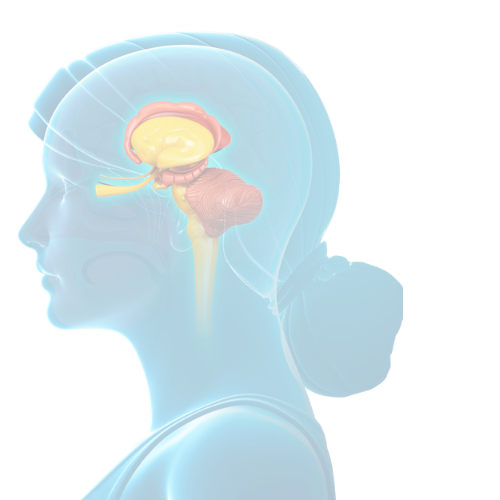
- Hippocampus: The part of your brain that helps build and organize new memories.
- Glymphatic System: Your brain’s nighttime cleaning system that helps wash away the daily waste from a hard day’s work.