
The Nutritional Value of Food

You are standing in a store or your kitchen trying to choose something to eat. Two options look almost the same, but one will help your body stay energized and focused while the other might leave you tired and reaching for more food soon after. Learning how to tell the difference is part of food literacy.
Food literacy means understanding what food actually does for your body. When you can look at ingredients, nutrients, and food labels, you start to see which foods help your body perform well and which ones do less for you.
Think of a Food Label Like a Scoreboard
A nutrition label is like a scoreboard for your body. It shows what nutrients are inside the food and how much of them you are getting.
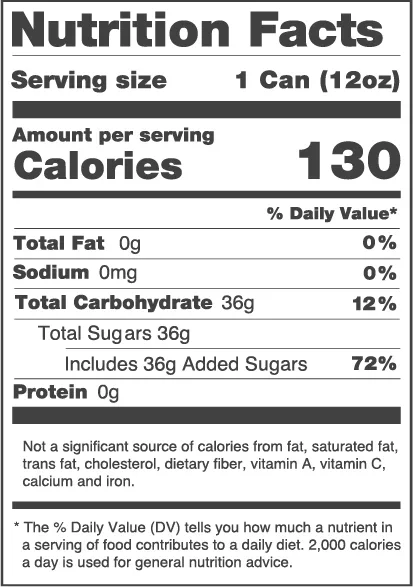
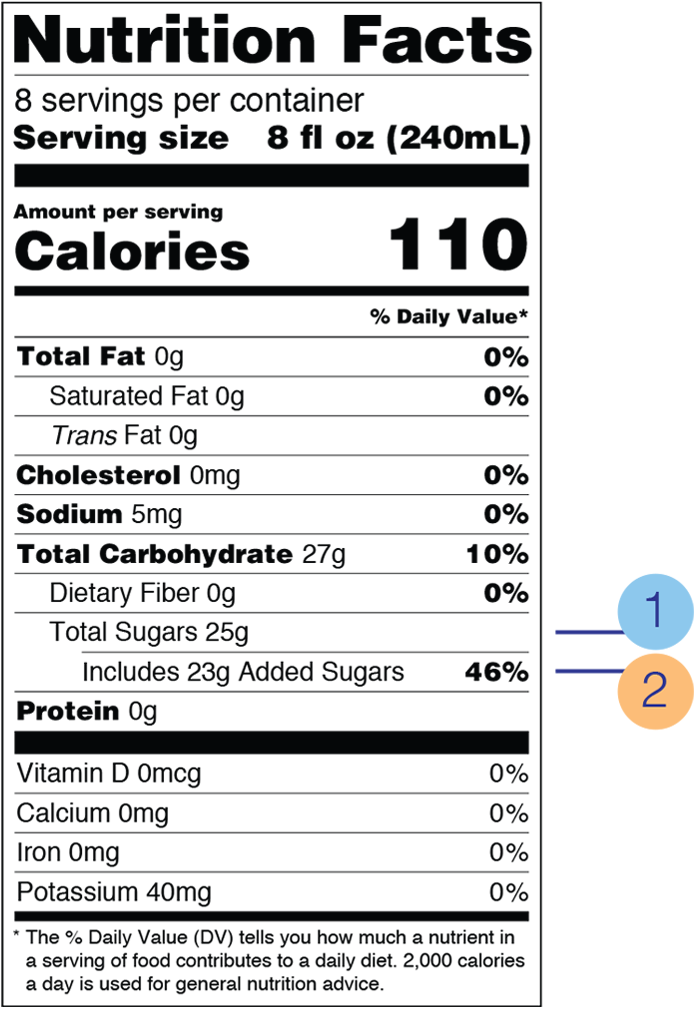
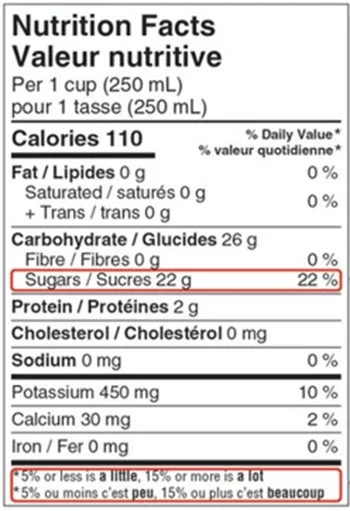
One helpful part of the label is the % Daily Value. This helps you see whether a food contains a little or a lot of certain nutrients like sugar, sodium, or fibre.
Learning to read labels helps you compare foods and make better choices. Looking at different labels side-by-side can reveal big differences.
For example, some foods contain only a small amount of sugar, while others contain much more. When you start comparing labels, you begin to see which foods give your body more useful fuel.
This is one of the most important skills in food literacy.
Check the Ingredient List!
The ingredient list tells another important story about food.
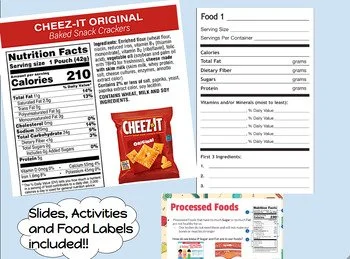
Ingredients are listed from most to least, which means the first few ingredients make up most of what you are eating.
When the first ingredients are foods you recognize—like oats, milk, fruit, or nuts—that is often a good sign the food has higher nutritional value. When you compare ingredient lists, you might notice that some foods have only a few simple ingredients, while others have very long lists.
Foods closer to their natural form often have shorter ingredient lists and provide more useful nutrients for your body.
Your body is also looking for useful fuel. Protein helps build and repair your body, carbohydrates provide energy for your brain and muscles, and fats support brain health and long‑lasting energy.
Notice How You Feel
After eating, your body often tells you how useful that food was. Some foods help you feel steady, focused, and ready to learn. Others cause a quick burst of energy followed by a crash where your focus drops and you feel tired. Paying attention to how food makes you feel can help you understand its nutritional value.
Looking at different snack options side-by-side can help you see which ones provide more useful energy. Snacks that include foods like fruit, yogurt, nuts, or whole grains often give your body more lasting fuel than snacks that are mostly sugar.
Try This…
Next time you grab a snack, pause for a moment and run a quick check.
Look at the nutrition label
Glance at the ingredient list
Think about how that food usually makes you feel.
That is how you start determining the nutritional value of food.
