
Active Transportation
Reviewed by Dr. Scott Rollo, PhD & Dr. Peter Rawlek, MD
“Something as simple as walking, biking, or skateboarding to school will boost your health, save money, and even help your planet.”
An Easy Way to Move Without “Exercising”
If you don’t play sports or work out, adding more movement to your day can feel hard. But here’s some good news: you can get healthier without extra workouts — just by changing how you get places. Even if you are active in sports, you need to look at organizing your day to include easy ways to be more active
Idea: suggest to your parents to park at the far end of the parking lot to walk further when getting groceries, or even better, “Let’s walk to the store…”.
Active transportation means using your own energy to get somewhere — like walking, biking, skateboarding, or scootering — instead of sitting in a car or bus. It’s one of the easiest ways to fit movement into your day, because it happens while you’re already going where you need to go.
Why It’s Good for Your Health
Even a short walk or ride gets your blood moving, wakes you up, and works your muscles. Over time, this can:
Make you feel stronger – Builds endurance, muscles, and bone health.
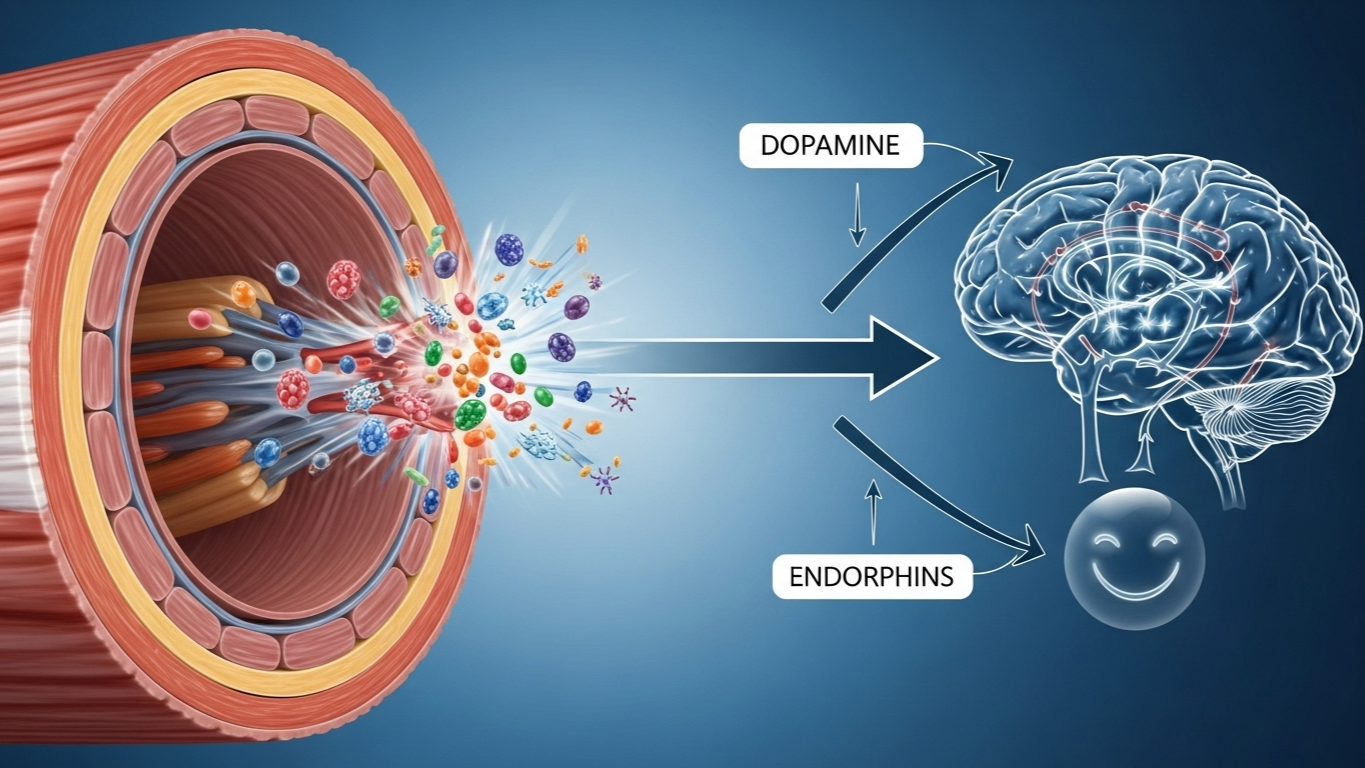
Boost your mood – Movement releases “feel-good” chemicals that reduce stress and help you focus in class.
Improve your sleep – Being active in the day helps you fall asleep faster and rest better.
Think about it: Have you ever felt more awake after walking to school or around your neighborhood? That’s your body thanking you.
Other Benefits (Beyond Your Health)
Better for the planet – Less driving means less air pollution.
Saves money – Walking or biking is free.
Safer, friendlier neighbourhoods – More people out walking or riding can make streets feel more connected and safe.
Some communities even have “Open Streets” events, where roads close to cars so people can walk, bike, and hang out safely. (Idea: Maybe you can ask your parents to help you organize this in your community for a few days a week?)
Making It Easier
Where you live matters — sidewalks, bike lanes, safe crossings, and parks make active transportation safer and more enjoyable. But even without perfect spaces, there are small ways to start.
Easy Ways to Try Active Transportation (No Big Commitment)
Walk partway — get dropped off a few blocks from school.
Scooter or skateboard to a friend’s house instead of getting a ride.
Take the stairs instead of the elevator.
Walk to the corner store instead of asking someone to drive you.
Join a local event like a bike-to-school day.
Idea: Maybe you could organize a walking school bus with friends or younger siblings?
Your Turn
How do you usually get to school or a friend’s place?
Could you swap one car ride this week for walking or biking?
What’s one thing in your neighborhood that makes walking or biking easier — or harder?
Bottom Line:
Active transportation is movement that fits into your life — no sports team, no gym, no special gear needed. Next time you’re going somewhere, ask yourself:
“Could I walk, bike, or roll there instead?”
Start small, keep it simple, and you’ll be adding movement to your day without even thinking about it.
References:
Government of Canada. (2014, May 02). Active Transportation. Government of Canada. https://www.canada.ca/en/public-health/services/being-active/active-transportation.html#
Voss, C. (2018). Public Health Benefits of Active Transportation. In Richard Larouche (Ed.), Children’s Active Transportation (pp. 1–20). Elsevier.
Saunders, L. E., et al. (2013). What Are the Health Benefits of Active Travel? A Systematic Review of Trials and Cohort Studies. PLoS ONE, 8(8).
Faulkner, G. E., Buliung, R. N., Flora, P. K., & Fusco, C. (2009). Active school transport, physical activity levels and body weight of children and youth: a systematic review. Preventive medicine, 48(1), 3-8.
Larouche, R., Faulkner, G. E., Fortier, M., & Tremblay, M. S. (2014). Active transportation and adolescents’ health: the Canadian Health Measures Survey. American journal of preventive medicine, 46(5), 507-515.
Barros, P., Guerra, P. H., Khan, M., & Fermino, R. C. (2024). Impact of active travel to school on children’s health: an overview of systematic reviews. Advances in Transport Policy and Planning, 13, 145-165.
Government of Canada. (2025, August 15). School Active Transportation in Canadian Children and Youth. Government of Canada. https://health-infobase.canada.ca/school-active-transportation/index.html