Read a Food Label Like a Pro - 1
Reviewed by Dr. Scott Rollo, PhD & Dr. Peter Rawlek, MD
Imagine this: two boxes of cereal. Both say “whole grain.” Both look the same. But one keeps you full until lunch, and the other has you yawning by second period.
How do you tell the difference? Flip to the back—the label gives you the answer.
You know how books have a table of contents? Or a LEGO sheet that names every piece?
A Nutrition Facts label does that for food. What’s inside? How much? Super fast.
Think of it like a user manual.
Serving size = default setting. (The amount being reported on)
Ingredients = parts list.
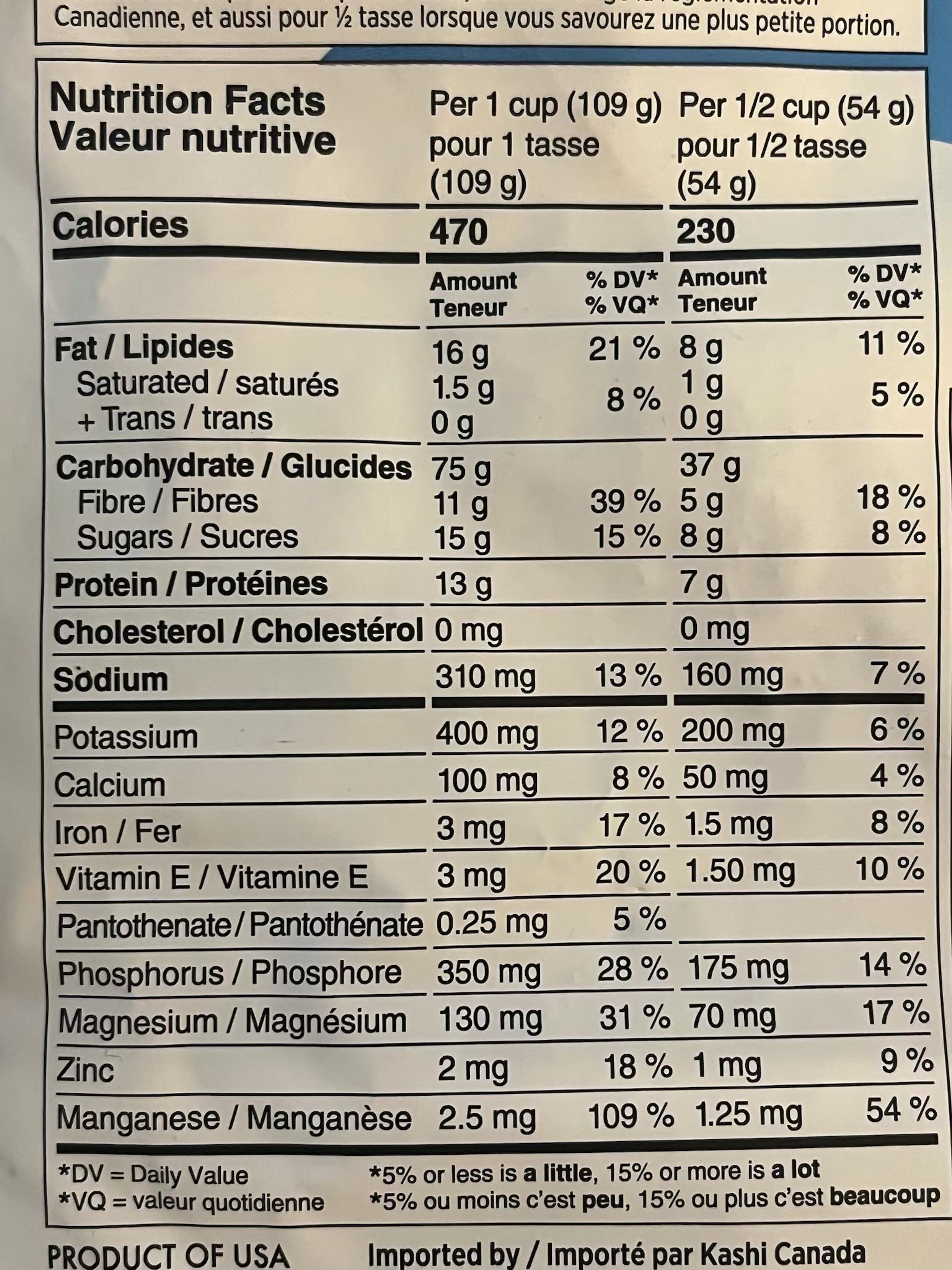
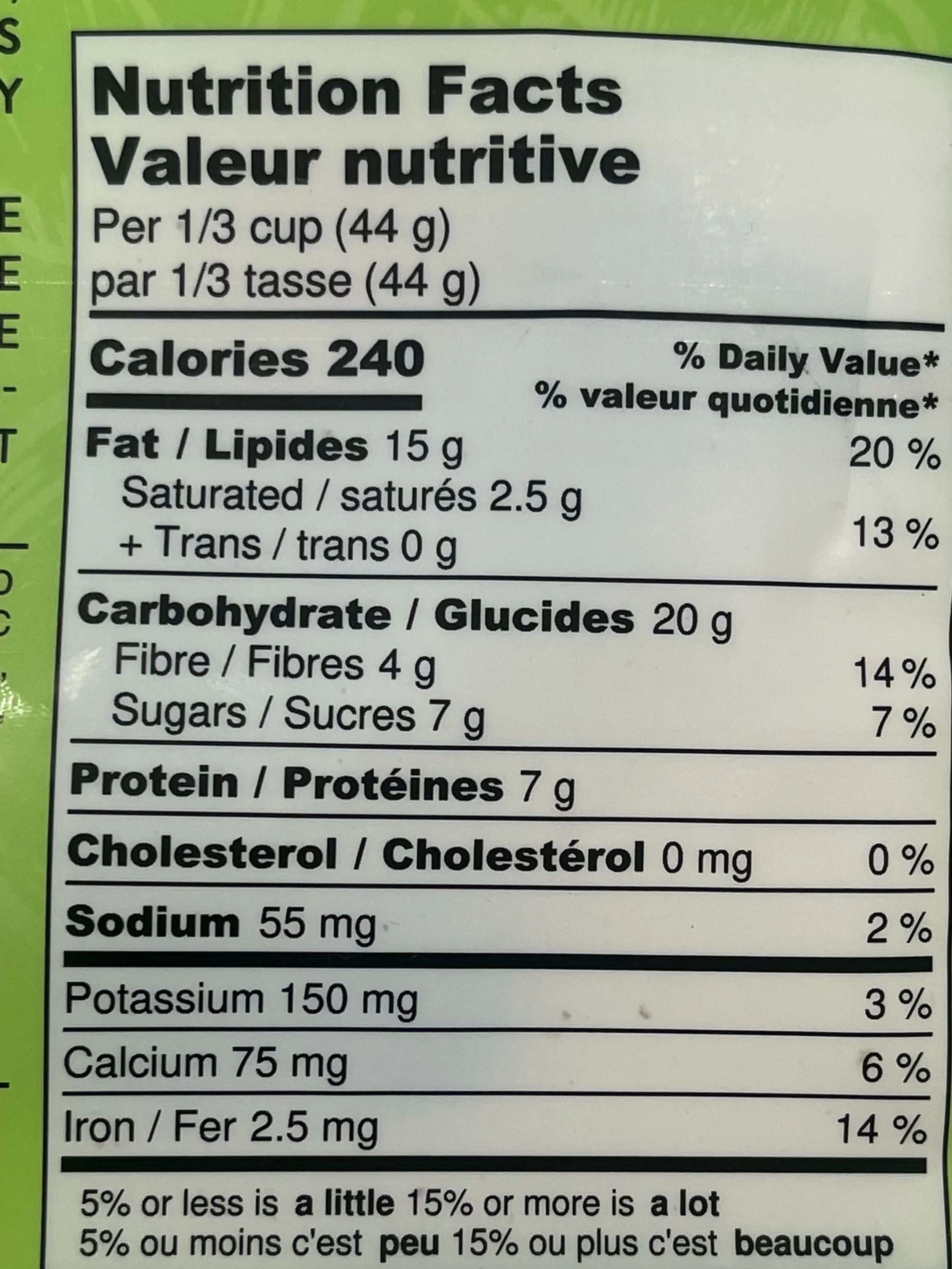
% Daily Value (DV) = the meters that say “a little” or “a lot.” In the reported serving size the percentage of the total daily allowance for that ingredient.
Why it helps your brain/body
Steady energy. Better focus. Fewer crashes.
Go lower for sodium, sugars, saturated fat. Go higher for fiber and protein. (Healthier!)
Quick rule: 5% DV or less = a little. 15% DV or more = a lot.
How to read (fast)
Serving size. All numbers match this. Eat two servings? Double everything.
% Daily Value. Use the 5/15 rule. Lower for sodium/sugars/sat fat. Higher for fiber/protein.
Protein + Fiber grams. More = longer fullness and steadier energy.
Ingredients list. Most to least. Sugar words near the top (sugar, glucose, syrup, fructose)? It’s a sweet snack.
Front-of-package symbols. A “High in” warning means lots of saturated fat, sugars, or sodium.
Try it today (one micro-action) (Apply your knowledge)
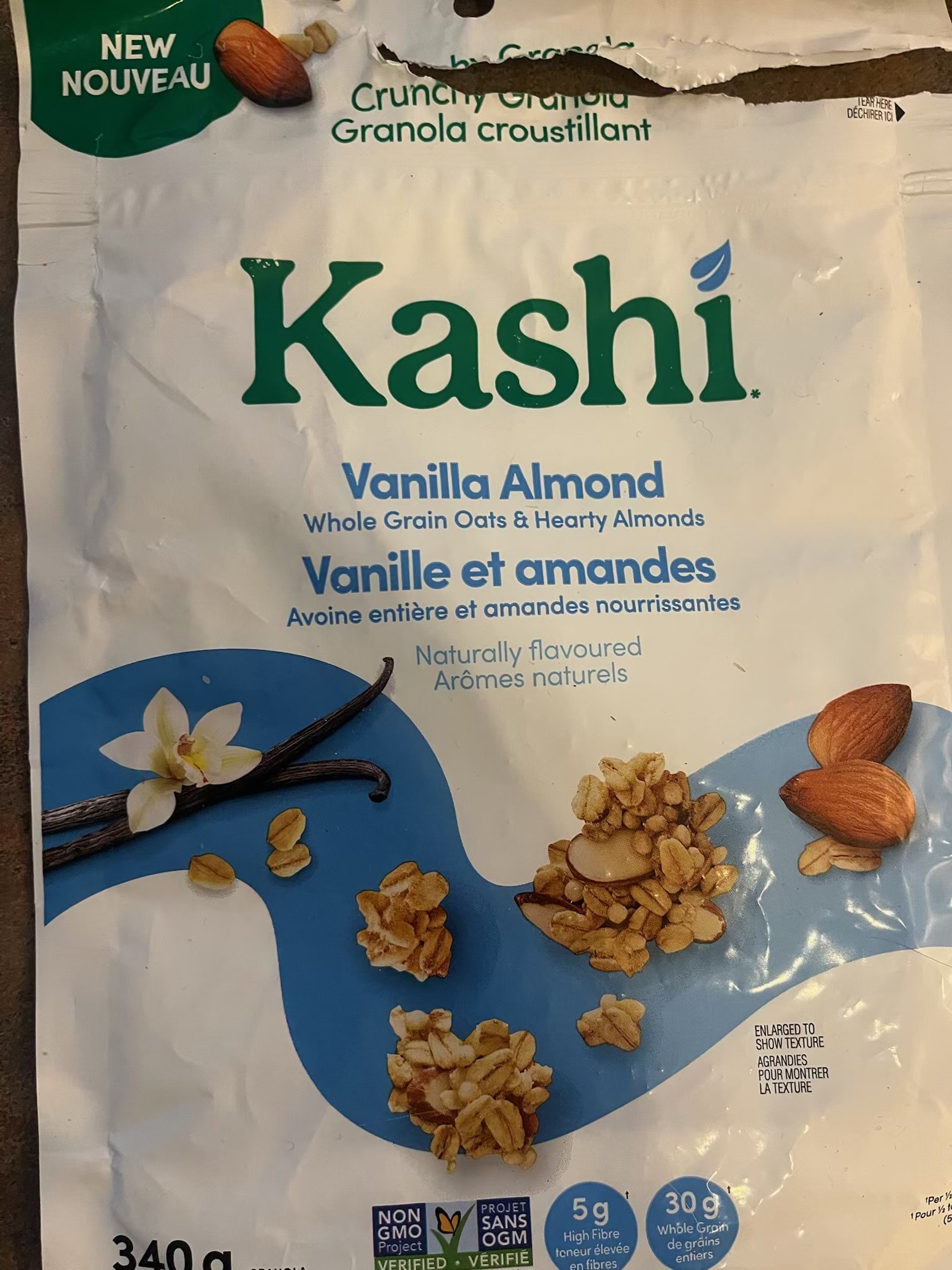
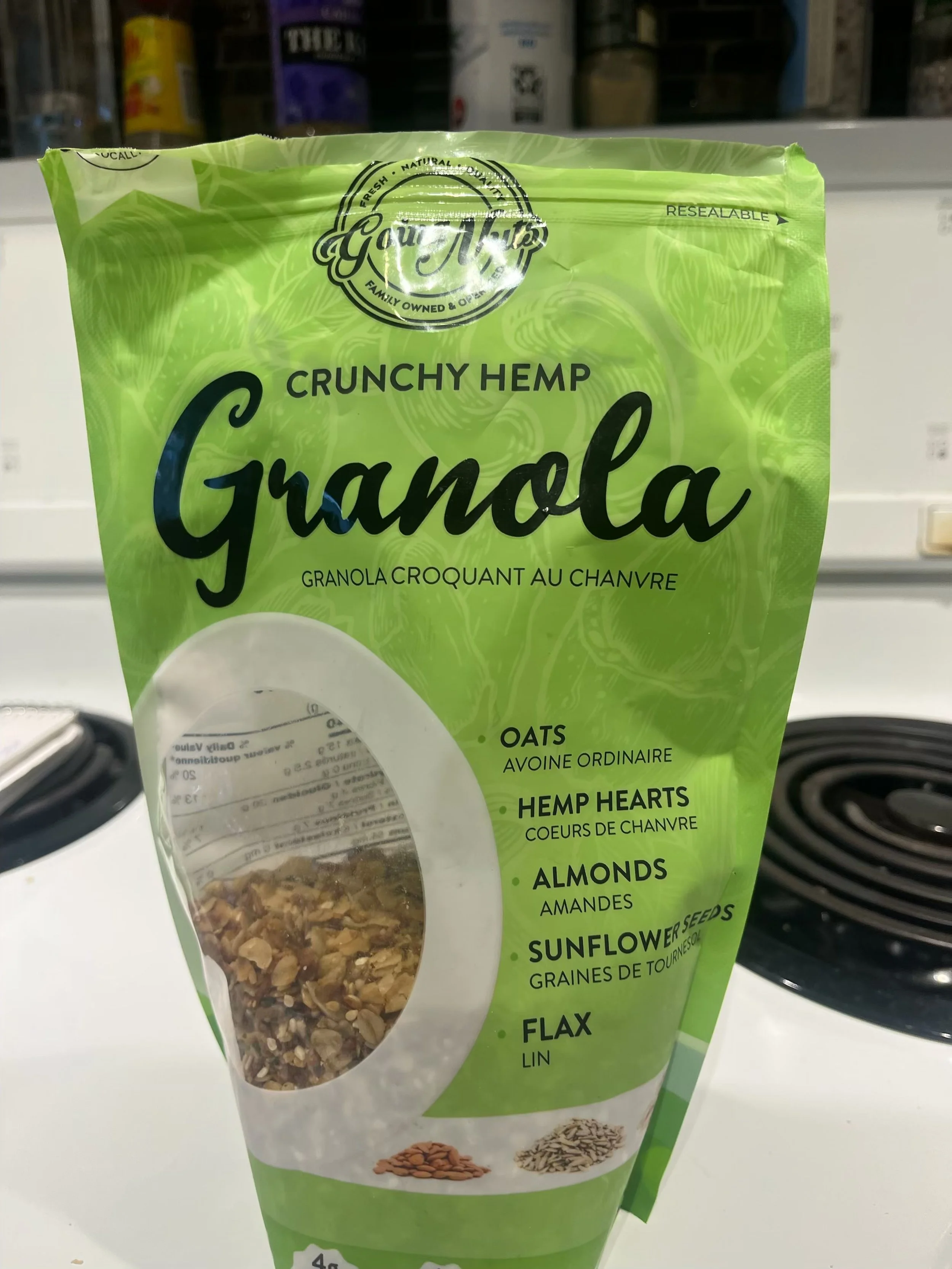
Grab two cereals with the same serving size. Pick the one with lower sugars %DV and higher fiber. Done.
Self-check
A chip bag shows 18% DV sodium per serving. Little or a lot?
Your granola bar lists glucose–fructose second. What does that tell you?
Words to know
Serving size — the amount the label is based on.
% Daily Value (DV) — how much of a nutrient per serving.
Sodium — salt in foods; too much can raise blood pressure.
Saturated fat — a fat to limit for heart health.
Fiber — helps fullness and digestion.