

Six-year-old you would have a rough week trying to live your life now. Hand them your school schedule, assignments, friendships, group chats and responsibilities and say, “Good luck. See you Friday.” There could be problems. At six, you already knew things, made decisions and probably had some very strong opinions about which cup your drink should arrive in. But you certainly weren't ready for everything you deal with now. So what changed? A big part of the answer is experience. Your brain has spent years collecting information from everything you have done. Some things worked. Others absolutely did not. You solved problems, made mistakes and adjusted. All of that gave your brain more information to use the next time.
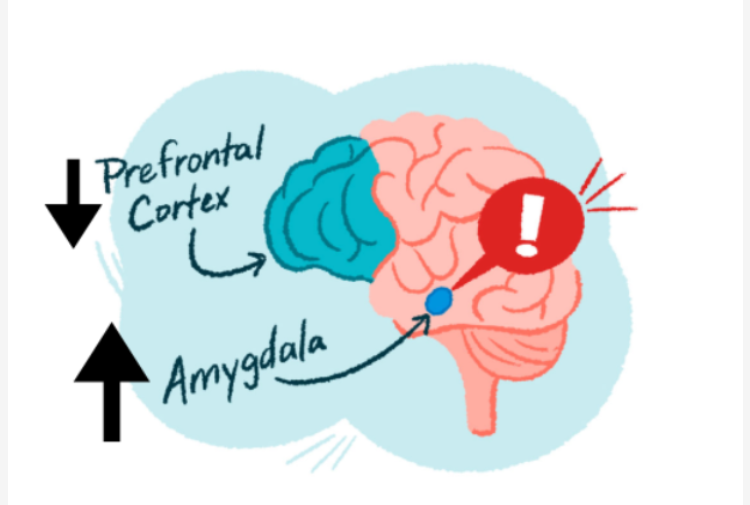
Your brain is always developing, making and strengthening connections as you encounter new things and have new experiences. The prefrontal cortex sits at the front of your brain and is developing rapidly during these years. It is the planner, the impulse controller, the think before you act part and the okay, I need to make a decision here part of your brain. At the same time, you are piling up years of experience. You make decisions, see what happens, make mistakes, adjust and get better at handling the next situation. That really is part of maturing. Your brain learns from what happened before and becomes better prepared for what comes next.
There is something slightly unfair about the timing though. Just as you start getting better at making decisions for yourself, life starts handing you harder ones. Friendships get more complicated. School expects more. You have more independence and responsibility. Apparently nobody designing adolescence thought to start with the easy stuff. But every one of those experiences gives your brain another chance to learn. Sometimes you get it right. Sometimes the lesson arrives rather quickly. Either way, you carry more experience into the next challenge.
Your social world is changing too. During adolescence, your brain pays much more attention to other people and what they think. Being accepted matters. Being left out hurts. Someone replies “K.” Your brain opens an investigation: Are they angry? Why one letter? They usually say okay. Did something happen? Meanwhile, the other person may simply be eating a sandwich. Social feelings are not silly. Humans depend on other humans, and learning how to build friendships, handle disagreements and figure out where you belong is important work.
Your body is changing during these years too, and everyone's body and mind seem to have chosen a different timetable. One person grows earlier. Someone else grows later. Height, skin, strength, shape, voice and appearance change at different times. Put those differences beside a brain that is paying closer attention to other people's opinions, and comparison suddenly carries more weight than it did for your six-year-old self.
Stress has a terrible public-relations department.
People usually talk about it as something harmful. But when you experience stress, several systems in your brain and body immediately ramp up. Your attention increases. More energy becomes available. Your heart and breathing change, and your brain focuses more closely on the response. If you suddenly face something difficult, uncertain or demanding, that is exactly what you need. This is the good side of something called the stress response. It helps you meet a challenge, and your brain and body respond and start to adapt. You face it, respond, recover and carry some of that experience forward. That is only one side of the stress story.
The other side is what happens when stress keeps returning or lasts too long. Your stress response was built to respond to immediate challenges and then settle after the challenge has passed. Without enough recovery, repeated or ongoing stress begins to affect how you feel and function. That is chronic stress. In a later post, we will look at the difference between immediate, acute stress, and chronic stress, and why that difference matters enormously for mental well-being.
So your developing brain has quite a job. It is learning from new experiences while friendships become more complicated, your body changes, decisions get harder and your stress response gets called into action. All of these things influence mental well-being. That does not mean every bad day is a mental-health challenge. Feeling nervous, disappointed, embarrassed, angry or overwhelmed sometimes is part of being human. What matters is learning what affects how you feel and function, and eventually recognizing when those changes become stronger, last longer or start interfering with everyday life.
But there is still one major part of this story missing. Every night, after spending all day giving your brain problems to solve, people to understand and information to learn, you become unconscious for hours. It sounds terribly unproductive. Your brain disagrees. While you sleep, your brain strengthens and organizes some of what you learned during the day, helping make that learning available for tomorrow. Disrupt that sleep and some of that important work suffers. What a waste.
While you sleep, some of your brain's most important work is just getting started.